
A pivotal legal shift impacts millions of Texans today as a statewide ban on specific hemp-derived THC products—namely Delta-8 and Delta-10—officially takes effect. Following a decisive ruling by the Texas Supreme Court, these synthetic cannabinoids, which have occupied a gray area in the marketplace for years, are now classified as controlled substances. This regulatory transition marks a dramatic reversal for the state’s burgeoning hemp industry and places immediate new risks on both retailers and consumers.
Key Highlights
- Statewide Enforcement: As of July 31, 2026, the production, sale, and possession of Delta-8 and Delta-10 THC are officially banned under state law.
- Criminal Liability: Possession of these specific hemp-derived variants is now subject to potential criminal penalties, ranging from misdemeanor charges to more severe felony classifications depending on quantity.
- The Delta-9 Exception: Delta-9 THC products remain legal for sale and possession, provided they adhere strictly to established weight thresholds and concentrations defined under current Texas hemp regulations.
- Supreme Court Precedent: The ban stems from a recent Texas Supreme Court decision that narrowed the interpretation of the 2018 federal Farm Bill regarding synthetic versus naturally occurring cannabinoids.
Navigating the New Texas Cannabinoid Landscape
The landscape of the Texas hemp industry was fundamentally altered this morning as the July 31, 2026, deadline passed. For years, retailers across the Lone Star State operated under the assumption that the 2018 federal Farm Bill provided a blanket protection for hemp-derived products, regardless of the chemical modification process used to isolate specific cannabinoids like Delta-8 and Delta-10. Today, that regulatory shield has effectively collapsed.
The Legal Basis of the Ruling
The Texas Supreme Court’s decision centers on a technical but profound distinction in chemical classification. The court’s majority opinion asserted that while the 2018 Farm Bill legalized hemp-derived cannabidiol (CBD), it did not extend blanket immunity to synthetic modifications of that hemp. By reclassifying Delta-8 and Delta-10 as controlled substances, the court has aligned Texas state law more closely with a restrictive interpretation of the Controlled Substances Act, effectively nullifying the business model for thousands of smoke shops and specialty retailers that pivoted to these products during the post-2018 boom.
Impact on Consumers and Retailers
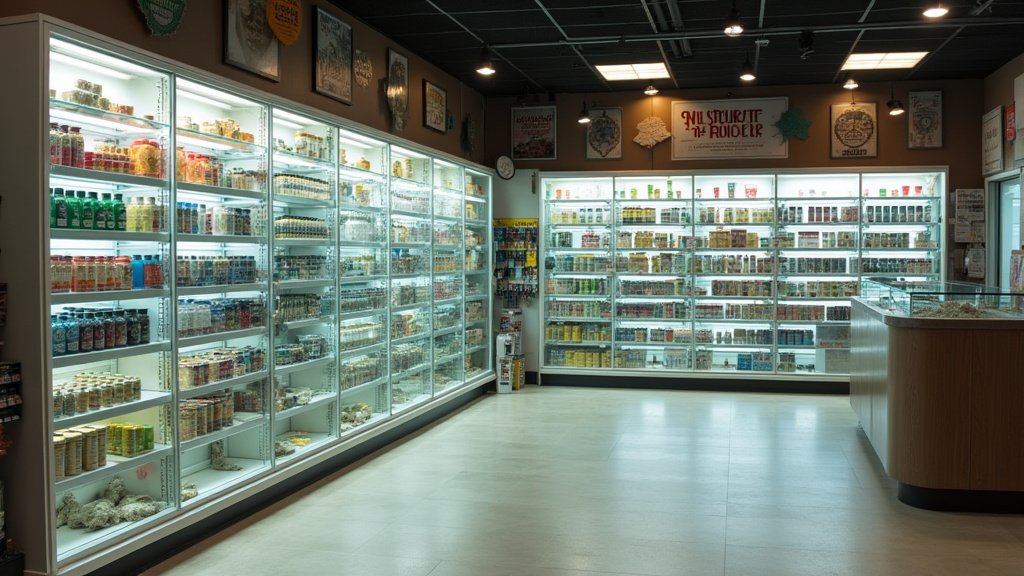
The immediate impact is visible on store shelves, where inventory must now be cleared to avoid potential legal repercussions. For the average consumer, the shift is stark: possession of Delta-8 or Delta-10, even if purchased legally in the past, is now a criminal liability. Law enforcement agencies across the state have been empowered to treat these substances with the same legal scrutiny as traditional marijuana. This creates a precarious situation for residents who may still possess products purchased mere weeks ago, as the new regulations offer no ‘grace period’ for personal stockpiles.
The Delta-9 Caveat
Crucially, not all hemp products have been swept up in the ban. Delta-9 THC, which is the primary psychoactive component in traditional cannabis, remains legal under Texas law, provided it is derived from hemp and remains under the 0.3% dry weight limit. This creates a bifurcated market. Retailers that can verify their products meet these strict weight thresholds may continue to operate, but they are now subject to heightened compliance checks. The state is expected to roll out increased inspection protocols for retailers to ensure that products labeled as ‘legal hemp’ do not contain the newly banned synthetic variants.
Secondary Angles: The Economic and Enforcement Ripple Effect
Beyond the headline-grabbing bans, three secondary factors will define the coming months. First, the Economic Disruption is massive; independent retailers who spent the last three years investing in Delta-8 infrastructure face potential bankruptcy and immediate supply chain dissolution. Second, the Enforcement Burden on local police departments is set to spike, as officers must now be trained to distinguish between legal Delta-9 hemp products and illegal synthetic variants, a process that often requires expensive laboratory testing.
Finally, the Legislative Uncertainty remains the wildcard. Industry lobbyists and legal advocates are already signaling potential challenges, arguing that the court’s decision creates an uneven playing field that contradicts federal interstate commerce standards. While the ban is now in effect, the legal battles regarding the definition of ‘hemp-derived’ are far from settled.
FAQ: People Also Ask
Q: Is all hemp-derived THC now illegal in Texas?
A: No. Delta-9 THC products remain legal as long as they comply with the 0.3% dry weight threshold for hemp-derived cannabinoids. The ban specifically targets Delta-8 and Delta-10 variants.
Q: Can I still buy Delta-8 at local shops?
A: No. As of July 31, 2026, it is illegal for retail establishments to sell Delta-8 or Delta-10 THC products. Retailers found selling these substances face potential criminal charges and business license revocation.
Q: Does this ban affect CBD oil or other hemp products?
A: Traditional CBD oil and other non-intoxicating hemp products remain legal under Texas law. The ban is specifically targeted at synthetic THC variants that mimic traditional cannabis effects.
Q: What happens if I am caught with Delta-8 now?
A: Possession of banned substances is now subject to criminal penalties under Texas law. You could face charges ranging from possession of a controlled substance to other state-defined violations, depending on the amount found.