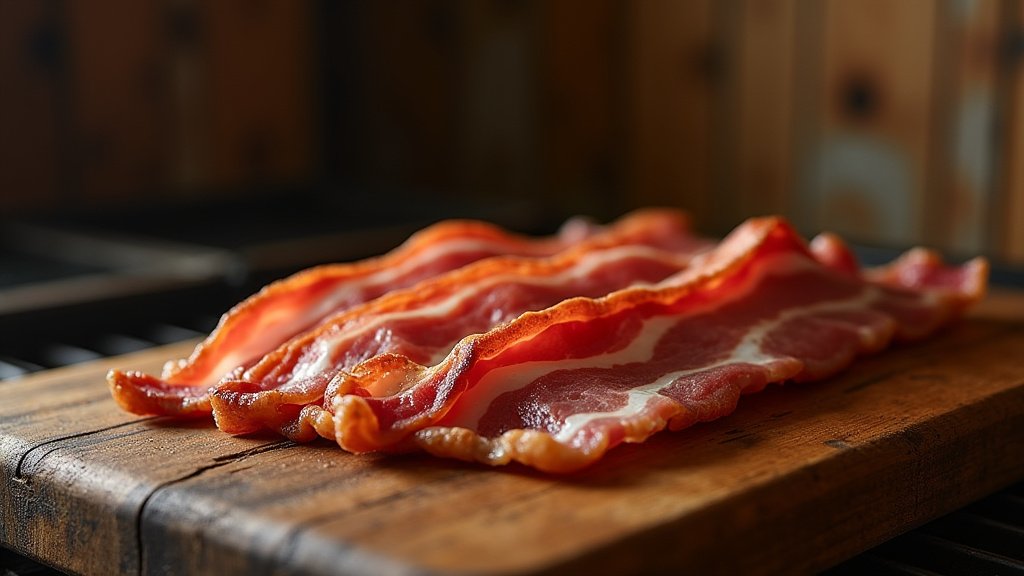
In the rolling hills of the Texas Hill Country, a culinary legend has been cemented. Klein Smokehaus, a long-standing fixture in Boerne, Texas, has officially secured the title of America’s No. 1 bacon. This national recognition highlights a dedication to traditional processing methods that have been carefully refined since the smokehouse first opened its doors in 1950. For industry observers and food enthusiasts alike, this accolade is not merely a marketing win; it is a testament to the enduring superiority of small-batch, heritage-driven meat production in an era of mass-market, chemically-cured alternatives.
A Tradition Refined Since 1950
To understand why Klein Smokehaus has risen to the top of the national conversation, one must look back at their history. Founded in 1950, the shop has operated for over seven decades as a steward of authentic Texan smokehouse culture. Unlike modern industrial facilities that prioritize speed and high-volume output—often utilizing liquid smoke and accelerated curing cycles—Klein Smokehaus has adhered to a philosophy of patience.
The “Klein difference” stems from their resistance to industrialization. While the rest of the nation embraced mass production in the 1980s and 90s, Klein maintained their commitment to temperature control and natural wood-smoking techniques. By prioritizing time, they allow the meat to develop a complex flavor profile that simply cannot be replicated by factory-grade equipment. This adherence to 1950s-era methodology is exactly what the national judging panels cited when granting them the top U.S. bacon title.
The Anatomy of an Award-Winning Slice
The technical process behind this award-winning product is rigorous. It begins with the selection of high-quality pork belly, sourced with a focus on fat-to-meat ratios that ensure the perfect “crackle” without the greasy residue common in supermarket varieties. The curing process is proprietary and slow, involving a dry-rub application that penetrates the meat deeply before the smoking phase begins.
The smoking phase is where the magic happens. Klein Smokehaus utilizes specific hardwoods—a closely guarded secret in terms of the wood blend—that provide a distinct, clean smoke flavor. This level of granular control is the hallmark of their process. They monitor humidity and temperature within their smoking chambers to prevent the fat from rendering out too early, ensuring that when the customer cooks the bacon at home, it retains its moisture and structure. This attention to detail is why culinary critics have pointed to Klein’s product as the benchmark for what American bacon should taste like.
Economic Ripple Effects on the Boerne Food Scene
The victory for Klein Smokehaus is a significant boon for the local economy of Boerne. The town, which has seen a surge in population and tourism over the last decade, now has a “destination commodity.” This is a classic example of how artisan food producers can drive regional tourism. When a local business wins a national title, it generates a halo effect, encouraging visitors to explore other local restaurants, shops, and attractions in Boerne.
Furthermore, this win signals a larger market shift: the “craft meat” movement. Just as craft breweries changed the beer industry by emphasizing quality over cheap, mass-market lagers, establishments like Klein Smokehaus are leading a consumer movement away from commodity pork. Consumers are increasingly willing to pay a premium for traceability, local production, and the absence of nitrates and synthetic fillers. This trend suggests that the future of the meat industry lies in transparency and artisanal heritage.
The Future of Artisan Meat Production
Looking ahead, Klein Smokehaus faces the “scaling challenge.” With the national spotlight now firmly fixed on their operations, the business must balance the increased demand for their award-winning bacon with the constraints of their traditional production methods. Expanding too quickly risks diluting the quality that earned them the top title.
However, the shop’s leadership has indicated they plan to stay true to their roots. Instead of pivoting to industrial distribution, the goal is to maintain the integrity of the process, perhaps leveraging digital platforms to reach a wider audience of connoisseurs who value heritage meat. This strategy—prioritizing quality over quantity—is likely to keep Klein Smokehaus at the forefront of the culinary conversation for years to come. By remaining a local pillar that produces world-class products, they have provided a blueprint for how small-town businesses can compete on the national stage without losing their soul.