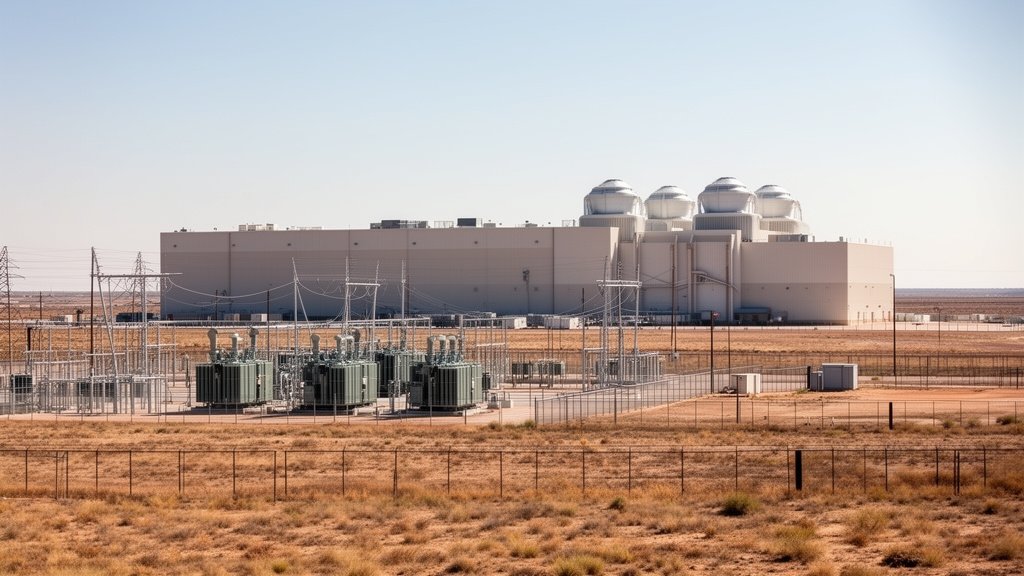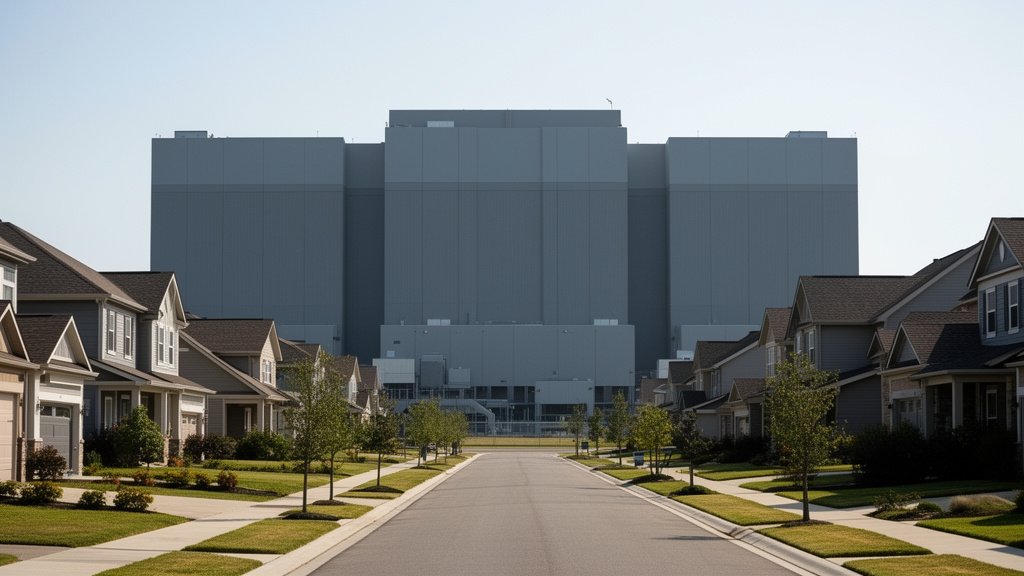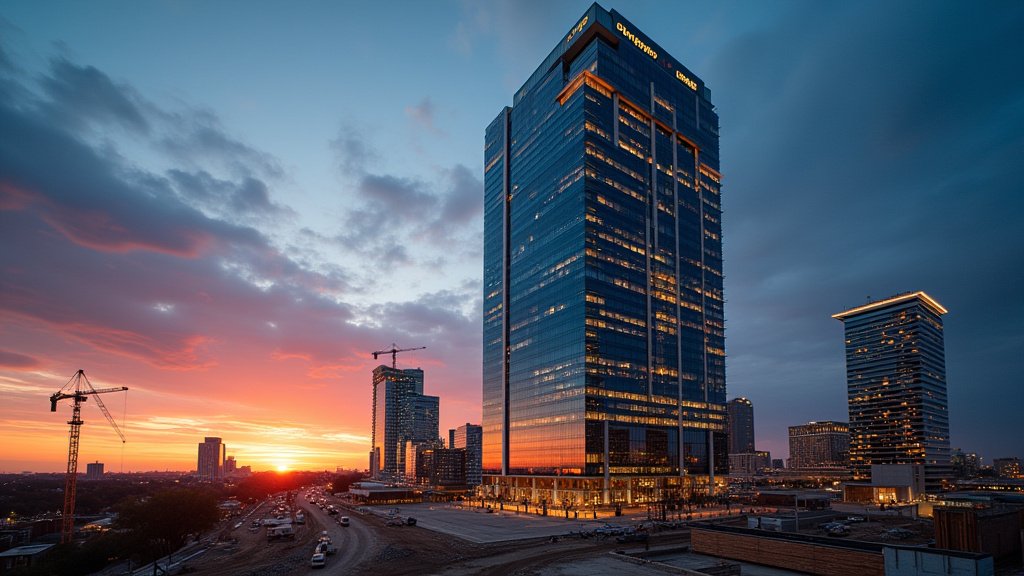
Texas is experiencing an unprecedented surge in property values, with 2026 marking a significant year for its real estate market and a corresponding boom in business growth across the state.
- Texas property values have seen a dramatic increase in 2026.
- The state’s real estate market is outperforming national averages.
- Business expansion is directly linked to the escalating property values.
- Key urban centers and emerging rural areas are both experiencing growth.
The Texas Real Estate Phenomenon of 2026
Driving Forces Behind the Surge
The year 2026 has solidified Texas’s position as a prime destination for investment and residency, driven by a confluence of economic, demographic, and policy factors. Robust job creation, particularly in the technology, energy, and manufacturing sectors, has fueled an in-migration of skilled workers and their families. This increased demand, coupled with a historically limited housing supply in desirable areas, has inevitably led to a sharp escalation in property values. Furthermore, favorable business climates, including tax incentives and streamlined regulatory processes, have encouraged corporate relocations and expansions, injecting capital and creating a virtuous cycle of economic activity. The state’s proactive approach to infrastructure development, including transportation networks and utilities, has also made it more attractive for both residents and businesses.
Impact on Business and Economy
The skyrocketing property values in Texas are not merely a real estate metric; they are a powerful indicator of broader economic health and dynamism. Businesses operating within the state are witnessing a direct correlation between the real estate boom and their own growth trajectories. Increased property values translate to higher asset valuations for businesses, potentially improving their creditworthiness and ability to secure further investment. Moreover, the influx of new residents and the expansion of existing companies create a larger consumer base and a more robust demand for goods and services. This economic expansion has also spurred growth in related industries, such as construction, finance, and professional services. The rise in property values, however, also presents challenges, including increased operating costs for businesses and rising housing costs for residents, which require careful management through policy interventions.
Regional Disparities and Opportunities
While the growth is state-wide, certain regions are experiencing more intense appreciation. Major metropolitan areas like Austin, Dallas-Fort Worth, Houston, and San Antonio continue to see significant demand, driven by established economic hubs and continued corporate investment. However, a notable secondary trend is the rapid growth in smaller cities and even rural areas, as remote work flexibility and the pursuit of more affordable (though still appreciating) living contribute to a decentralization of demand. This presents unique opportunities and challenges for local governments and developers. Investment in infrastructure and amenities in these emerging areas will be crucial to sustain long-term growth and prevent overburdening existing resources. The diversification of economic bases in these smaller communities is also a key factor in their resilience.
Future Outlook and Challenges
Looking ahead, the trajectory of Texas property values in 2026 suggests continued strength, though potentially at a more moderate pace. Projections indicate that demand will remain high, supported by ongoing economic development and population growth. However, potential challenges loom. Rising interest rates, a potential national economic slowdown, and the ever-present need for increased housing inventory could moderate the rate of appreciation. Policy decisions regarding land use, zoning, and affordable housing will play a critical role in shaping the market’s future. Ensuring sustainable growth that benefits all Texans, rather than exacerbating economic disparities, will be paramount for state and local leadership. The long-term health of the Texas economy is intricately linked to its ability to manage this real estate boom responsibly.
FAQ: People Also Ask
What are the main drivers of Texas’s economic growth in 2026?
The primary drivers include significant job creation in sectors like technology, energy, and manufacturing, a favorable business climate with tax incentives, and substantial in-migration of skilled workers. Corporate relocations and expansions, coupled with infrastructure development, further fuel this growth.
How are rising property values affecting Texas businesses?
Rising property values increase asset valuations, potentially improving business creditworthiness. They also signify a growing consumer base and increased demand for goods and services. However, businesses also face challenges from rising operating costs.
Are all areas of Texas experiencing the same property value growth?
No, while major metropolitan areas like Austin and Dallas continue to lead, there is a notable secondary trend of rapid growth in smaller cities and rural areas, driven by remote work and a search for relative affordability.
What are the potential challenges to Texas’s real estate market?
Potential challenges include rising interest rates, the possibility of a national economic slowdown, and the persistent need to increase housing inventory. Land use policies and affordable housing initiatives will also be critical.
What is the outlook for Texas property values beyond 2026?
The outlook remains strong, with continued demand expected. However, growth may moderate as factors like interest rates and housing supply adjustments come into play. Responsible policy and sustainable development are key to long-term market health.