The U.S. Department of Homeland Security (DHS) and U.S. Customs and Border Protection (CBP) have formally announced that the nation has achieved 11 consecutive months of zero releases at the southern border. This milestone, reported as of April 2026, underscores a sustained and aggressive enforcement strategy that administration officials describe as the most secure border posture in recent American history. The reported figures, which highlight a dramatic reduction in illegal border encounters, serve as a centerpiece of the administration’s current “America First” immigration agenda, signaling a pivot toward total detention and rapid removal protocols for all unauthorized crossings.
Key Highlights
- 11-Month Streak: The U.S. Border Patrol has recorded 11 straight months of zero releases of illegal aliens into the interior, a marked departure from previous processing models.
- Historic Lows: Border encounters during the first half of fiscal year 2026 reached the lowest levels in recorded history, with apprehensions down 95% from figures reported during the previous administration.
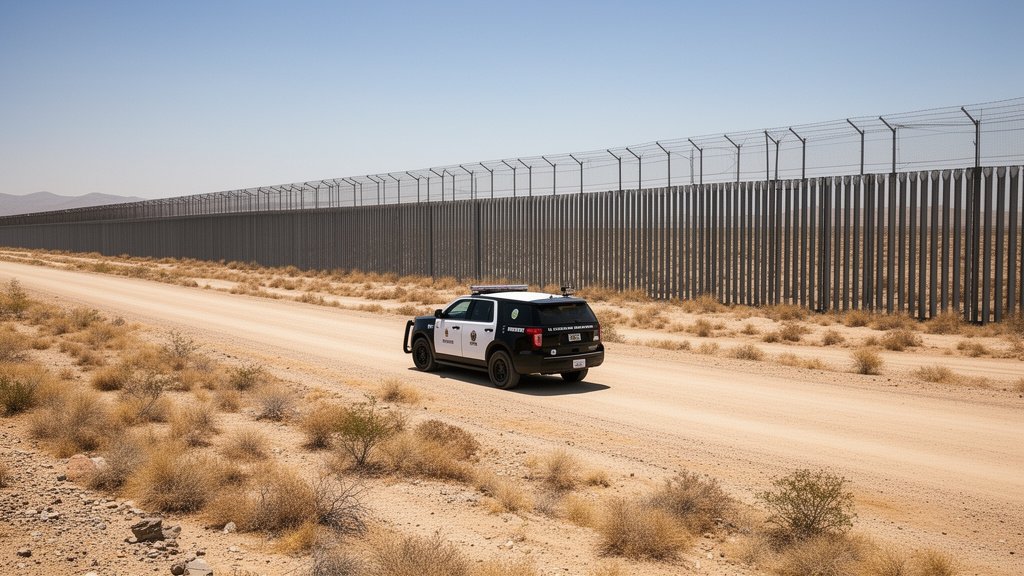
- Enforcement Focus: The administration attributes this decline to a unified federal effort, integrating enhanced physical infrastructure, advanced surveillance technology, and strict adherence to asylum restrictions.
- Operational Success: Beyond processing numbers, the Department of Homeland Security reported increased drug interdictions and a high success rate in identifying and apprehending individuals on terrorist watchlists or those with active warrants.
A New Era of Border Control and Enforcement
The announcement of the 11-month streak of zero releases at the border marks a significant inflection point in U.S. immigration policy. For years, the debate surrounding the southern border was dominated by discussions of processing capacity, “catch and release” protocols, and the logistical challenges of managing large-scale migration flows. The current administration’s data suggests that the paradigm has shifted decisively toward a model of zero-tolerance detention and immediate processing, effectively closing the gap that previously allowed for the release of asylum seekers pending court dates.
The Mechanics of ‘Zero Releases’
At the core of this policy is the systemic removal of the release mechanism. Under the leadership of the Department of Homeland Security (DHS) and current agency heads, the infrastructure at the border has been reconfigured to prioritize rapid processing, expedited removal hearings, and direct repatriations. This is not merely a matter of patrol presence; it is a fundamental reconfiguration of the legal and logistical machinery that governs the border.
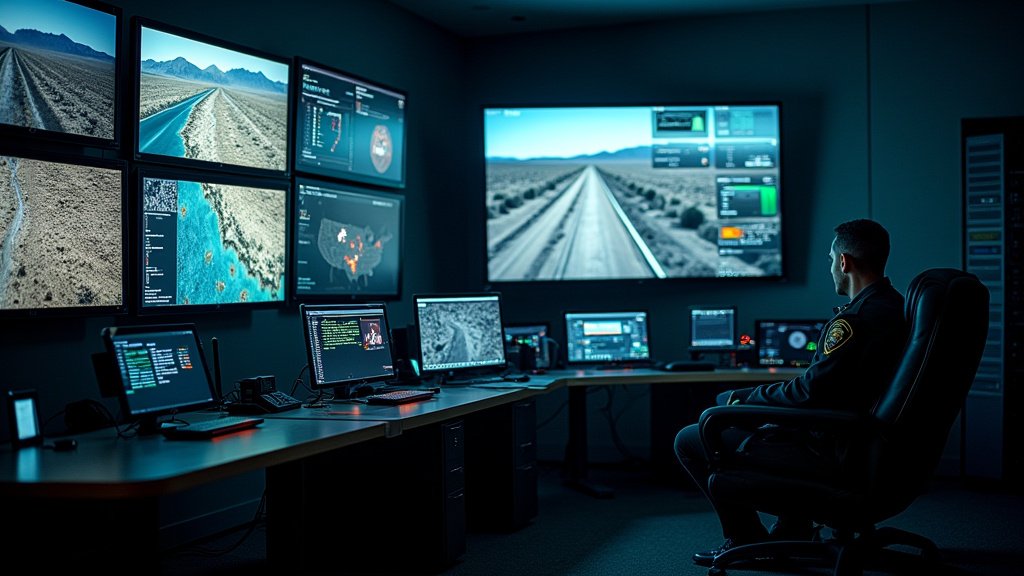
By leveraging new technology—including autonomous surveillance towers, AI-driven movement detection, and an integrated federal command structure—the administration has increased its “domain awareness.” This enhanced visibility allows for faster intercepts, ensuring that individuals attempting to cross illegally are encountered and processed before they can vanish into the interior.
Comparing Historical Metrics
To understand the gravity of these figures, one must look at the comparative data. The administration has highlighted that daily apprehensions have dropped by 95% compared to the peak levels recorded in the previous administration. Furthermore, the 14-month streak of fewer than 9,000 southwest border apprehensions—a figure that would have been considered impossible just a few years ago—suggests that the deterrent effect of these policies is taking hold.
Critics of past administrations often argued that the lack of consequences for illegal entry incentivized further crossings. The current data is being used by the White House to argue the inverse: that when the expectation of a “release” is removed, the volume of attempted crossings collapses. Whether this is due to a genuine change in migration patterns or a shift in the routes utilized by cartels remains a subject of ongoing analysis by intelligence agencies and border security analysts.
The Role of Technology and Personnel
Technology has acted as a force multiplier for the Border Patrol. The deployment of advanced, high-resolution surveillance assets along the 7,500-mile expanse (including both land and coastal borders) has changed the game for ground agents. Instead of relying on manual spotting and reactive patrols, agents now receive data-rich alerts that allow them to position themselves more effectively.
Furthermore, the integration of data across federal agencies—ensuring that information regarding criminal warrants, international watchlists, and prior deportation history is instantly available to agents in the field—has made the border a much higher-stakes environment for those attempting to cross illegally. The administration’s rhetoric consistently frames this as a national security imperative, emphasizing that preventing unauthorized entry is the primary line of defense against the trafficking of illicit narcotics like fentanyl and the entry of dangerous fugitives.
Broader Economic and Geopolitical Implications
While the focus of this report is on the southern border, the implications are national. By stabilizing the border, the administration argues that it has alleviated the strain on interior enforcement agencies, such as ICE (Immigration and Customs Enforcement), and social services in border states that were previously overwhelmed by processing surges.
However, the debate persists regarding the long-term impact on the U.S. labor market and humanitarian obligations. Supporters of the administration’s policies point to the restoration of law and order, while detractors argue that the focus on zero releases ignores the root causes of migration and the international responsibility to process legitimate asylum claims. Nevertheless, in the current political climate, the statistics provided by the DHS are being leveraged to build a narrative of regained sovereign control.
FAQ: People Also Ask
What does “zero releases” actually mean in practice?
It means that individuals who cross the border illegally are not being released into the U.S. interior to await court proceedings. Instead, they are held in detention facilities or processing centers until they are either removed, deported, or transferred to other appropriate facilities, effectively eliminating the “catch and release” policy.
How has this impacted drug interdiction at the border?
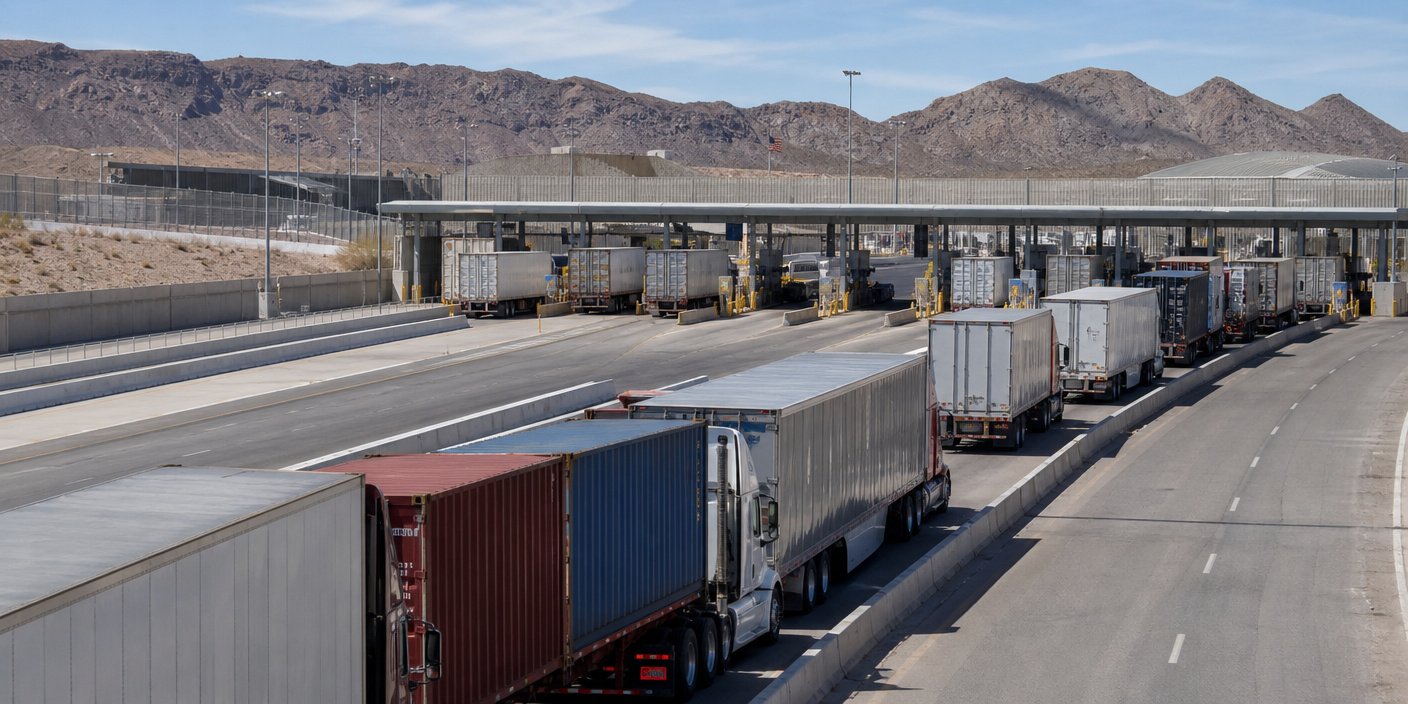
According to the latest DHS reports, the focus on securing the border has allowed for higher rates of drug seizures. By controlling the border flow and utilizing more advanced scanning technology at ports of entry, the administration claims it is successfully identifying more narcotics, including fentanyl and methamphetamine, than in previous years.
Is this policy sustainable for the long term?
Sustainability depends on continued funding, personnel retention, and international cooperation with source and transit countries. The administration argues it is “the new normal,” while critics suggest it requires constant, high-level resource allocation that may face future budgetary or legal challenges.
How does this differ from previous administrations?
Previous administrations often relied on programs that allowed for the temporary release of asylum seekers while they waited for hearings due to limited detention space. The current administration has prioritized the expansion of detention capacity and expedited legal processes to ensure that no one is released into the country without a completed case review.