Minnesota Students Detained in Texas Amid ICE Surge
Children from a Minnesota school district faced detention in Texas. This happened during a large federal immigration crackdown. The operation, known as Operation Metro Surge, targeted the Minneapolis area and Minnesota. It brought significant attention to immigration enforcement policies. Many were concerned about the impact on children and schools.
Operation Metro Surge Unveiled
Operation Metro Surge began in December 2025. It was a major initiative by U.S. Immigration and Customs Enforcement (ICE). Customs and Border Protection (CBP) also participated. Officials called it the largest immigration operation ever. It initially focused on the Twin Cities. Later, it expanded across all of Minnesota. The operation involved thousands of federal agents. Its stated goal was apprehending undocumented immigrants. However, it also led to controversy and criticism. Tactics escalated. There were reports of harassment and threats. The operation aimed to address fraud allegations. Many involved Somali residents. Federal agents were deployed to enforce immigration law. This surge greatly expanded their presence. It created heightened political tension. Community members voiced strong opposition.
Children Caught in the Crackdown
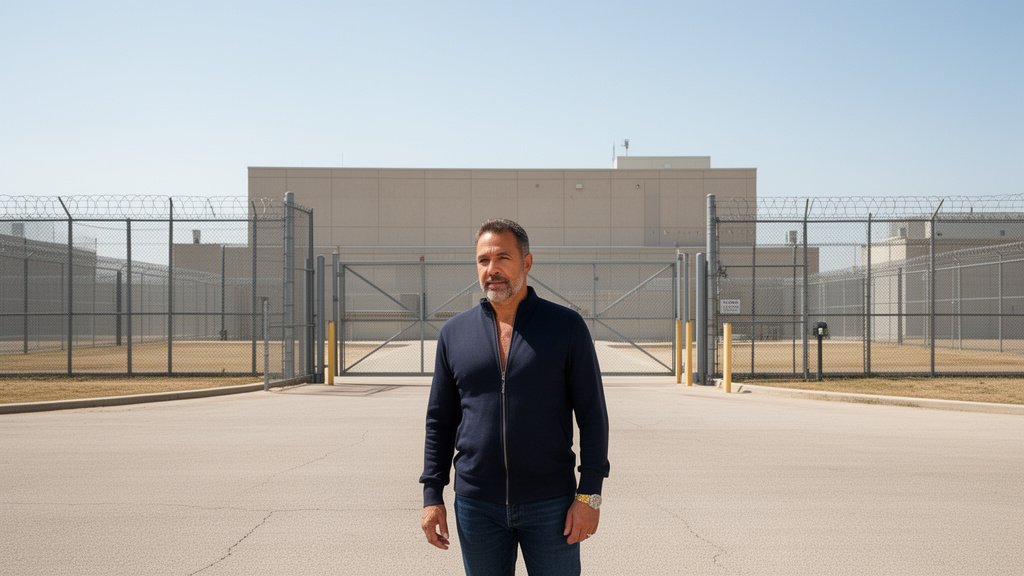
Students from Columbia Heights Public Schools faced detention. This district is north of Minneapolis. At least six students were detained by ICE. Some were sent to the South Texas Family Residential Center. This facility is in Dilley, Texas. Among them was a 5-year-old boy. His name was Liam Conejo Ramos. He was detained with his father. Liam had an active asylum case. He entered the U.S. in 2024. He sought asylum through the CBP1 system. Another detained student was 10-year-old Elizabeth Zuna Caisaguano. She was also from Columbia Heights. Her mother was detained with her. Two brothers were also sent to Dilley. They were in second and fifth grade. Their mother was with them. School officials reported this information. The detention of children raised alarm. Some children were held for extended periods. Concerns grew about their health. The Dilley facility experienced a measles outbreak. This added to worries about conditions. Families reported children were malnourished and ill. They suffered from prolonged detention.
Criticism and Official Response
The detentions sparked widespread outrage. Advocates criticized ICE tactics. They questioned the targeting of children. School officials voiced strong concerns. One principal called the detention of a 5-year-old “bait.” He said agents used the child to get others to open a door. This occurred when Liam Ramos was taken home from preschool. School districts saw significant disruptions. Attendance dropped sharply. Some schools transitioned to remote learning. Educators and parents expressed fear. A lawsuit was filed. It sought to stop enforcement near schools. The suit challenged policy changes. These changes removed protections for “sensitive locations.” Schools are considered such locations. ICE defended its actions. A DHS spokesperson stated ICE does not target children. She said ICE keeps families together. Parents were offered choices. They could be removed with children. Or children could go to a designated safe person. The agency claimed it enforced laws passed by Congress. However, many felt the actions were excessive. Federal judges intervened in some cases. A judge ordered Liam Ramos and his father released. This happened after 10 days in detention. Other children were later released. The two brothers and their mother returned to Minnesota. Elizabeth Zuna Caisaguano and her mother were also released. They had been detained for a month. They reunited with family in Texas. Then they headed back to Minnesota.
Broader Implications and Aftermath
Operation Metro Surge drew national attention. Protests erupted in Minnesota. Elected officials challenged the operation. The governor and attorney general spoke out. They called the operation “retribution.” Federal agents killed two civilian observers. One person died while in ICE custody. The operation disrupted Minnesota’s economy. Civil society faced strain. Thousands protested ICE activity. The scale of the operation was immense. Many immigrant families went into hiding. They feared detention. Schools worked to reassure students. They tried to maintain a safe learning environment. Later, White House border czar Tom Homan announced changes. He stated 700 agents would leave Minnesota. However, about 2,000 agents remained. This was still far above usual numbers. The current news highlights intense federal enforcement. It shows the impact on communities. It also raises questions about child welfare. These events continue to be a major buzz. This news from Texas and Minnesota is ongoing. This remains a significant story in the current landscape.