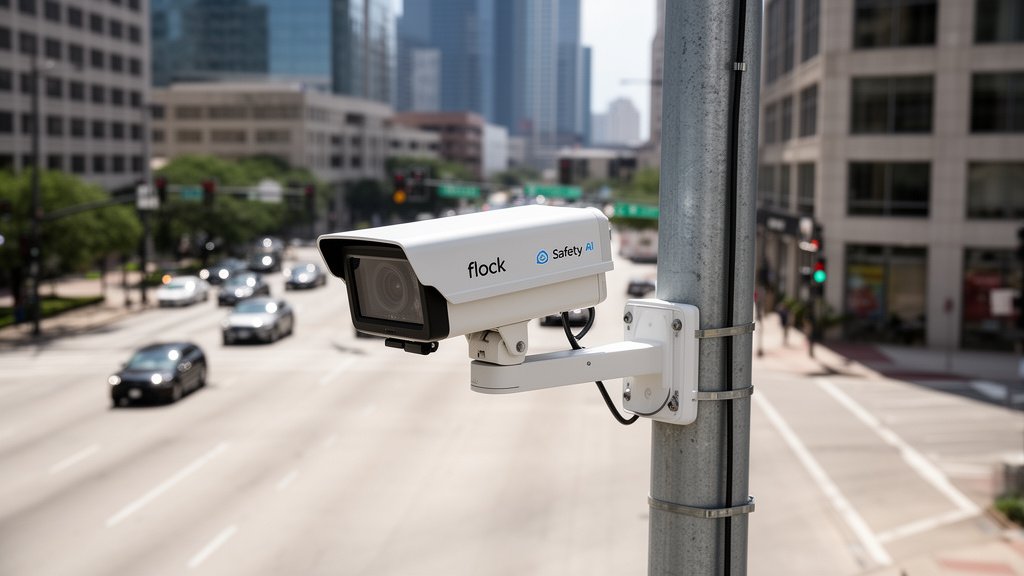
Texas Governor Greg Abbott has taken decisive action. He banned state employees from using specific Chinese technology products. This move targets hardware, software, and AI. The goal is protecting Texans’ privacy. It also aims to prevent foreign interference. This is significant news for Texas. It reflects a growing concern over cybersecurity.
Governor’s Directive Expands Restrictions
Governor Abbott updated the state’s prohibited technology list. This action came after a thorough threat assessment. The Texas Cyber Command (TXCC) conducted this assessment. The updated list includes many Chinese-linked companies. These firms span various technology sectors. The ban restricts their use on state-owned devices and networks. It applies to all state employees. This is not the first time Texas has acted. Governor Abbott previously banned TikTok. That ban occurred in December 2022. This new action significantly broadens the scope. It includes over two dozen companies. This reflects trending concerns.
Why the Ban? Protecting Texans’ Data
Governor Abbott cited clear reasons for the ban. He stated that “hostile adversaries” seek to infiltrate state systems. These adversaries harvest user data. They exploit this data to harm individuals. The governor wants to prevent this exploitation. He specifically named the People’s Republic of China (PRC). He also mentioned the Chinese Communist Party (CCP). Furthermore, he included other “hostile foreign actors.” The aim is to mitigate risks. It is about protecting sensitive state information. The governor views this as crucial for security. He emphasized protecting the privacy of Texans. This initiative is top priority.
Key Companies and Technologies Targeted
The expanded list includes well-known brands. It features e-commerce giants like Alibaba and Shein. Online shopping platform Temu, operated by PDD, is also banned. Consumer electronics brands like TP-Link, Hisense, and TCL are included. Battery maker CATL is on the list. Drone manufacturer Autel faces restrictions. Several artificial intelligence firms are banned. These include iFlyTek, SenseTime, and Baidu. Other AI companies like Megvii and CloudWalk are also affected. The ban also covers surveillance equipment makers. LiDAR technology firms are also restricted. Beijing Academy of Artificial Intelligence (BAAI) is prohibited. This broad range shows the governor’s vigilance. It covers many aspects of modern technology.
Texas Cyber Command’s Role
The Texas Cyber Command (TXCC) plays a key role. Governor Abbott established the TXCC in June 2025. It is the largest state-based cybersecurity department in America. Its mission is to combat cyber threats. It enhances the state’s cybersecurity strategy. Chief of TXCC, Vice Admiral TJ White (USN, Ret.), provided input. He stated the TXCC’s mission is clear. It must protect Texans from foreign nations. It also protects against cyber threat actors. The TXCC will identify additional technologies. These technologies could threaten state information. This partnership strengthens state defenses. It helps counter evolving cyber threats.
Broader Context and State-Level Action
This action aligns with a national trend. Other states have also banned Chinese technology. These bans stem from similar security concerns. They highlight increasing state-level focus on cybersecurity. Governor Abbott’s aggressive stance is notable. It comes even as US-China tensions sometimes ease. The ban specifically targets state employees. It applies only to state-owned devices. It does not restrict personal use by Texas residents. This distinction is important to note. The move underscores state governments’ efforts. They are bolstering their digital defenses independently. It shows a commitment to Texas security.
Implications for State Operations
This ban will affect state agencies. Employees must comply with the new rules. They cannot use prohibited hardware or software. This includes AI applications. It also covers cloud services from these firms. The intention is to create a more secure state network. It aims to prevent data exfiltration. This could lead to agencies reviewing their current technology. They may need to find alternative solutions. The focus remains on safeguarding sensitive data. It ensures operational integrity. This is a critical step for state government. It protects against potential espionage. The move reinforces a secure digital environment.
Conclusion: A Fortified Digital Frontier
Governor Greg Abbott’s expanded ban is significant. It demonstrates a firm commitment to cybersecurity. Protecting Texans’ data is paramount. The action targets a wide array of Chinese technology. This includes popular consumer brands and specialized AI. The Texas Cyber Command plays a vital role. It supports these efforts with expert assessment. This move sets a precedent. It shows state governments actively addressing threats. Texas is fortifying its digital frontier. This ensures state systems remain secure. It guards against foreign adversaries. The initiative supports the state’s ongoing security strategy.