The food industry braces for a transformative 2026. Several major trends will reshape operations, making the Food Industry 2026 a pivotal year. The “Make America Healthy Again” (MAHA) movement continues to influence policy. This presidential administration’s anniversary amplifies its impact. Consumer awareness about food is growing, with consumer transparency a key demand. Regulatory changes require industry adaptation. Food safety standards are under review, and new rules for traceability are taking effect. Restaurants face ongoing financial pressures. The landscape for food news is dynamic, and understanding Food Industry 2026 developments is crucial.
MAHA’s Growing Influence on Food Industry 2026
The MAHA movement shapes food policy discussions for the Food Industry 2026. It emphasizes health and nutrition. The FDA and USDA feel its effects. State-level waivers are restricting SNAP purchases. Sugary drinks and candy are now ineligible. This creates retailer confusion. It also impacts consumer choices. For example, Florida distinguishes desserts. This definition creates practical challenges. The MAHA agenda targets processed foods. This has broad industry implications for the Food Industry 2026.
Food Safety Faces Shifting Regulations in the Food Industry 2026
Despite a health focus, some deregulation is occurring. The USDA and FDA trends suggest this for the Food Industry 2026. This deregulatory path may continue. Foodborne illnesses remain a significant issue. Millions fall ill annually. Thousands require hospitalization. Hundreds die from these illnesses. The USDA’s FSIS withdrew a proposed Salmonella rule. This rule targeted raw poultry. Industry groups applauded this move. Food safety advocates voiced concerns. USDA also delayed Salmonella sampling activities. Waivers were extended for higher processing line speeds. The CDC reduced its pathogen surveillance. It now monitors fewer diseases. This reduction might increase public health risks within the Food Industry 2026.
Traceability Rule Deadlines Approach for Food Industry 2026
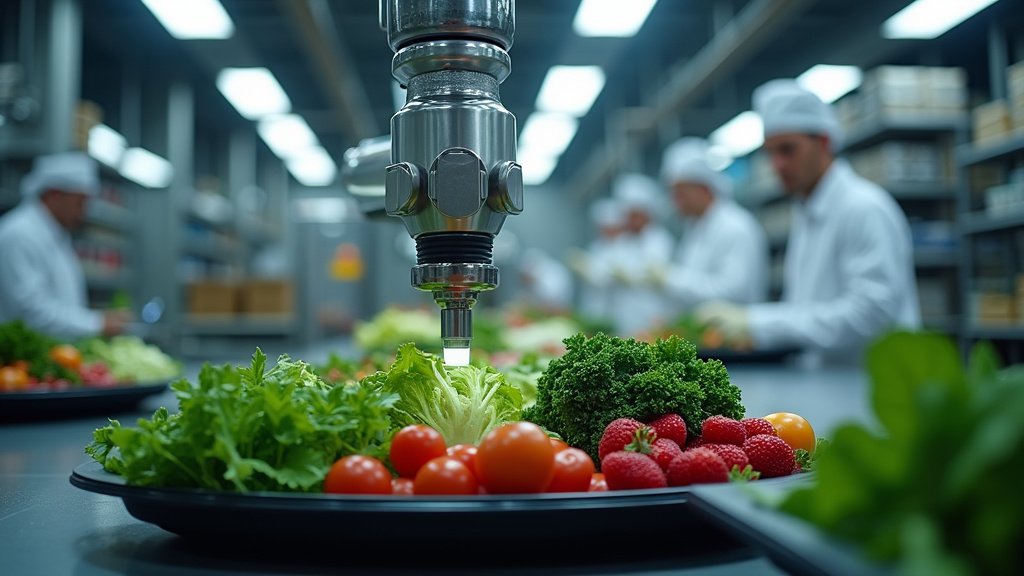
The FDA’s Food Traceability Rule demands action for the Food Industry 2026. Compliance is mandatory by January 2026 for many. This rule targets high-risk foods. Leafy greens and soft cheeses are included. Detailed tracking is required. Companies must record Critical Tracking Events. Key Data Elements must also be logged. Older, manual systems are insufficient. Automation is increasingly vital. Challenges include case-level tracking. Human error poses a risk. Data governance is essential. Supply chain collaboration is critical. Many companies still lack readiness for the Food Industry 2026. Awareness levels are uneven. Smaller businesses face significant hurdles. The rule aims for precise recalls. It seeks to improve speed and scope. Some enforcement dates were extended to 2028, impacting the Food Industry 2026 timelines.
Produce Safety Rule Updates Impacting the Food Industry 2026
Changes to the Produce Safety Rule are impacting farms as we head into Food Industry 2026. Small farms must comply by April 2026. The focus now shifts from water testing. An Agricultural Water Assessment (AgWA) is now required. This assessment examines water sources. It considers usage and environmental factors. Annual water system inspections remain. These inform the AgWA. Pre-harvest water testing requirements have changed for the Food Industry 2026.
Consumer Demands for Transparency Drive Food Industry 2026 Trends
Consumers increasingly demand transparency. Labeling information is scrutinized. Simpler ingredient lists are favored. The “clean label” trend is accelerating. Consumers question food additives. They are wary of ultra-processed foods. This demand fuels industry evolution for Food Industry 2026. Brands must communicate openly. Greenwashing faces greater scrutiny. Legal challenges arise from false claims. Trust is built through honest communication. Packaging plays a vital role. It must preserve product freshness. It should also support portion control. Clear labels enhance brand credibility in the Food Industry 2026.
Restaurant Industry Navigates Headwinds in Food Industry 2026
The restaurant sector faces mounting challenges in the Food Industry 2026. Ingredient costs are rising significantly. Tariffs add to operational expenses. Wage increases also strain finances. Many operators report high stress levels. They must adjust menu prices. Supply chain disruptions persist. These affect ingredient availability. Cost-saving strategies are now critical. Restaurants need affordable innovation. Value is paramount. It encompasses quality and experience. Technology integration is key. AI assists with forecasting. Efficiency drives operational success. Experiential design attracts diners. Unique storytelling connects with guests in the Food Industry 2026.
Market Shifts and Competitions Define Food Landscape for 2026
Evolving consumer demands shape the broader food market, especially for the Food Industry 2026. Transparency remains a primary driver. Nutritional standards face intense scrutiny. The definition of ultra-processed foods (UPFs) is a major topic. The FDA and USDA are exploring a unified definition. This could mandate product reformulation. It may require ingredient removal. New U.S. Dietary Guidelines promote whole foods. They advise reducing highly processed items. Less added sugar is also recommended. These guidelines influence federal programs. They align with the MAHA agenda, impacting the Food Industry 2026.
Texas Food News and Emerging Trends for Food Industry 2026
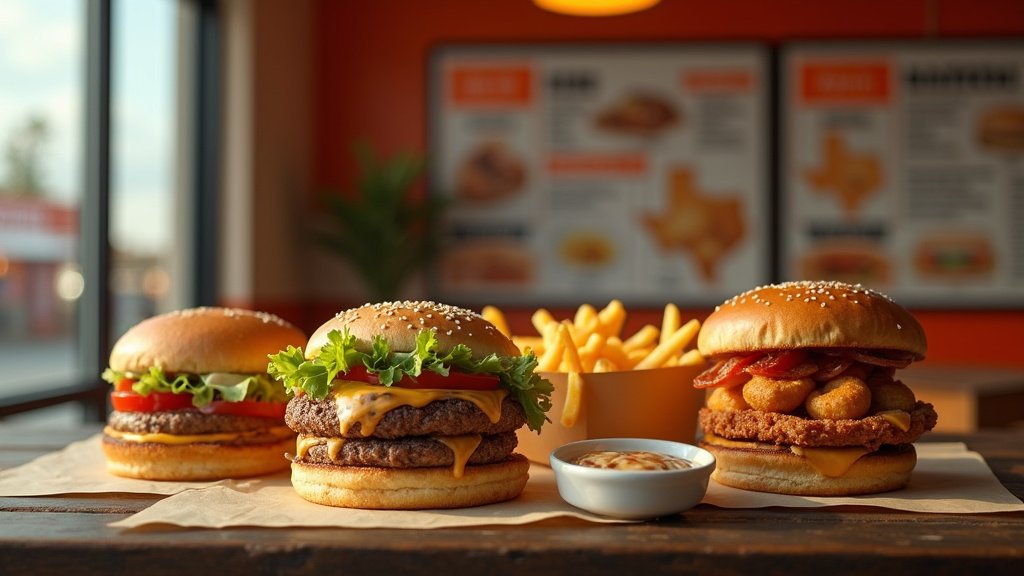
In Texas, the food industry sees specific trends relevant to Food Industry 2026. Salad and Go is closing all its Texas and Oklahoma locations. This follows earlier store reductions. Food safety concerns were previously raised at some Salad and Go sites. The company denied any customer sickness. However, it confirmed chicken did not meet its standards. This situation led to a vendor change. The Texas Produce Hall of Fame announced its 2026 inductees. Steve Cargil was honored for his contributions. His advocacy strengthened Texas agriculture. These recognitions highlight industry leaders in the Food Industry 2026. Mediterranean food is trending in North Texas. New Greek restaurants are opening. This cuisine is seen as fashionable and healthy. The upcoming FIFA World Cup in North Texas is expected to boost local restaurants. Several sports bars are set to open before the event. This summer tournament presents opportunities during a typically slower season, a key aspect of Food Industry 2026 in the region.
Conclusion for Food Industry 2026
The food industry in 2026 faces a complex environment. Regulatory changes are substantial. Consumer expectations continue to rise. The MAHA movement influences policy direction. Food safety rules demand careful adherence. Traceability regulations are taking effect. Restaurants are navigating financial pressures. Transparency and sustainability are essential goals. Companies must remain adaptable. They must respond to evolving market demands. The trending food scene shows innovation and the future of the Food Industry 2026. It also highlights ongoing challenges. Success in the Food Industry 2026 hinges on proactive adaptation.