

Top News: Texas Construction Faces Crisis as ICE Raids Ignite Economic Fears
The Texas news landscape is buzzing. ICE raids are hitting construction sites. This is causing serious economic concerns. Builders and business leaders are worried. They warn of significant impacts. This news is trending across the state. It affects the entire construction industry.
Raids Spark Workforce Fears
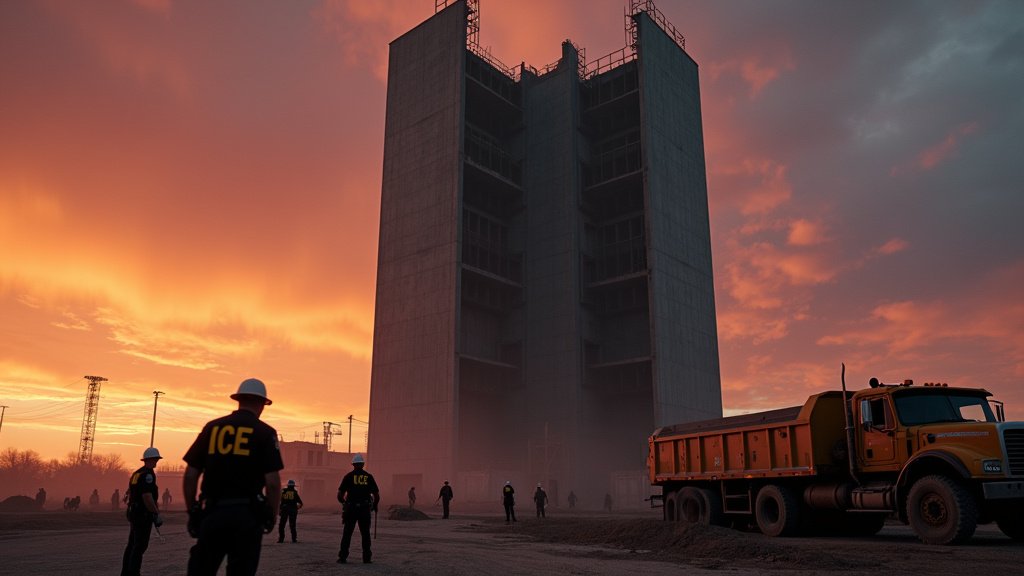
Immigration and Customs Enforcement (ICE) raids are happening. These actions are increasing across Texas. They target construction sites. These raids create a climate of fear. Workers are scared to show up for jobs. This fear affects even documented workers. It causes widespread labor shortages. Mario Guerrero, of the South Texas Builders Association, highlights this. He notes that workers are afraid. This fear extends to the entire community. The news reports that ICE agents detain workers. Sometimes, these are people with proper documentation. ICE does not always need a warrant for arrests. This practice is causing frustration.
Project Delays and Economic Fallout
Labor shortages directly impact projects. Construction timelines are stretching significantly. A basic home now takes nine to eleven months. Previously, it took only three to four months. This drastic increase causes project delays. It creates a ripple effect throughout the economy. Companies in the supply chain report sharp revenue declines. Some businesses face bankruptcy. Construction loans in Texas have decreased. One report indicates a 30% drop. Lenders grow hesitant to fund projects. Unpredictable timelines are the cause. Subcontractors struggle to schedule crews. Suppliers report slower orders. The news indicates this uncertainty affects home prices. It also impacts availability.
Impact on the Housing Market
The construction industry relies heavily on immigrant labor. About 40% of construction employees are immigrants. Roughly 23% of these workers are undocumented. This dependence makes the industry vulnerable. Heightened enforcement reduces the labor supply. This leads to fewer new homes being built. Economists warn of prolonged labor instability. This could raise construction costs. It will likely increase home prices. Extended build times mean higher loan interest. These costs are passed to buyers. A Federal Reserve Bank of Dallas analysis shows this trend. It noted a 5% decline in construction jobs in the Rio Grande Valley. This was the largest dip among regional industries.
Industry Leaders Seek Solutions
Builders are speaking out. They are turning to elected officials. They want help changing immigration laws. Representatives from Texas have raised concerns. They met with administration officials. U.S. Rep. Henry Cuellar acknowledges the issue. He calls it a national problem. He suggests backing off construction sites. This mirrors past actions for agriculture. Cuellar emphasizes hiring American workers first. However, he notes labor shortages persist. The South Texas Builders Association seeks exemptions. They look for solutions like those in the agriculture sector. They advocate for peace on job sites. They do not oppose raids entirely. They ask for raids to avoid active construction areas.
Broader Economic Repercussions
The impact extends beyond construction. A Mexican restaurant chain saw a 50% sales decrease. This shows a clear ripple effect. Some argue that stricter enforcement hurts the economy. It affects Latino-dominated industries. This includes construction and farming. A recent study linked enforcement to fewer workers. This cut new home construction. It also raised home prices. The news also highlights the psychological worry. Many workers are uncertain about their status. This “chilling effect” keeps them from work. This uncertainty disrupts productivity. It causes large labor shortages. This slows housing construction. The Texas housing market needs rapid building. It must keep pace with population growth. Slowdowns could worsen affordability challenges.
Official Stance and Divergent Views
The White House offers a different perspective. They state there is no worker shortage. They believe employers can find legal workers. They point to young adults not in school or work. However, Texas news reports disputes this. Local real estate agents disagree. They cite interest rates and inventory. They believe immigration policy is not the main driver. The news highlights that even perceived enforcement matters. It can reduce job site turnout. The construction industry is vital. It is a top concern for Texas.