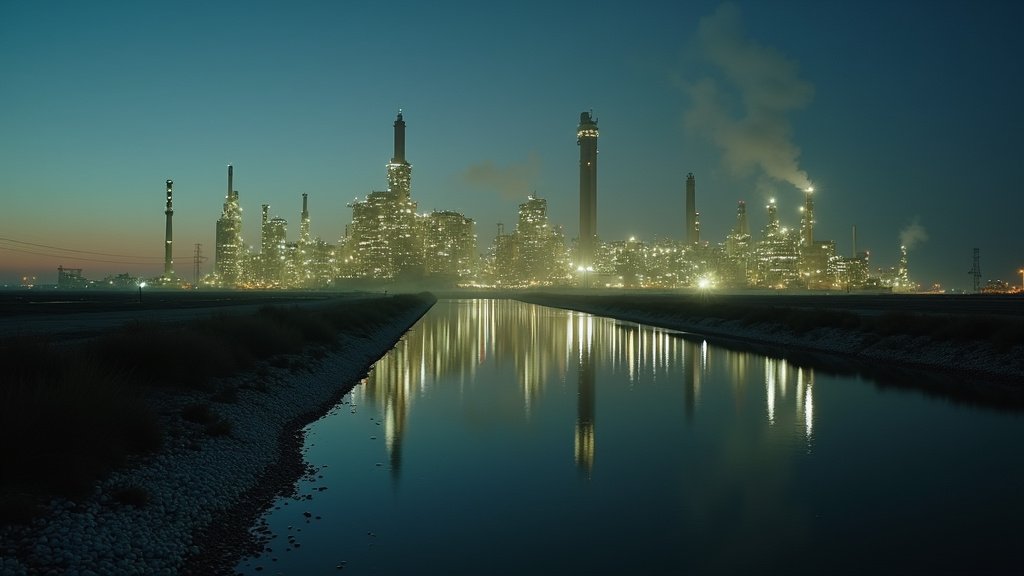
The State of Texas is suing Dow Chemical. The lawsuit alleges widespread pollution violations. This action targets Dow’s plant in Seadrift. It’s located on the Texas Gulf Coast. The Texas Attorney General’s office filed the suit. This is major news for the state.
Core Allegations in the Lawsuit
The lawsuit details hundreds of violations. These occurred at Dow’s industrial complex. The companies involved include Dow Chemical. Its subsidiary Union Carbide Corporation is named. Braskem America, Inc. is also a defendant. Texas claims they are in “habitual non-compliance.” This means repeated rule-breaking. The violations span several years. They started at least in 2019 or 2020. The suit cites breaches of Texas law. This includes the Texas Water Code. It also covers the Texas Solid Waste Disposal Act. Permits and regulations were allegedly violated. This represents a significant environmental news event.
Plastic Pellets Plague Waterways
A primary concern is plastic pollution. Dow’s plant reportedly discharged plastic pellets. These are also known as nurdles. This happened repeatedly. The lawsuit notes 37 days of pellet releases. This occurred between July 2020 and July 2021. Texas Commission on Environmental Quality (TCEQ) investigators confirmed this. They observed plastic pellets in January 2026. They saw them onshore. They found them in debris. They also saw them floating. This was in the Victoria Barge Canal. It is near the facility’s outfalls. This evidence points to ongoing issues. These pellets are raw materials. They are used to make plastic products. They do not dissolve easily. They persist in the environment. This pollution impacts local waters. It flows into San Antonio Bay.
Other Pollutants Cited
The alleged violations go beyond plastic. The lawsuit lists numerous other issues. Companies exceeded permitted effluent limits. This happened at various outfalls. Specific pollutants include bacteria. pH levels were also a problem. Total residual chlorine was too high. Oil and grease levels were elevated. Water temperature and total organic carbon were also cited. For instance, total organic carbon was double the limit. This shows a pattern of problems. The violations are not minor. They represent serious environmental concerns. This is a top trending news item.
The Seadrift Facility
Dow’s Seadrift complex is vast. It covers approximately 4,700 acres. It is located in Calhoun County. The plant produces key chemicals. These include polyethylene and polyester plastics. It also makes glycols for antifreeze. Other products include chemicals for cosmetics and paint. The facility is a major employer. It has over 1,200 workers. Its operations are central to the region’s economy. However, its environmental record is now under scrutiny. The Texas News highlights these issues.
Activist’s Role and Citizen Concerns
This state lawsuit follows a citizen action. Environmental activist Diane Wilson played a key role. She leads San Antonio Bay Estuarine Waterkeeper. Her group issued a 60-day notice. This was in December 2025. They intended to sue Dow. They cited chronic plastic pollution. This notice is required by federal law. It gives regulators time to act. However, the state filed its suit first. Some believe this state action might limit citizen lawsuits. Wilson called the state’s suit a “sweetheart deal.” She feels it is weaker than her group’s intended suit. Her group sought tougher cleanup measures. They want to address decades of pollution. Wilson has a long history. She previously sued Formosa Plastics. That resulted in a significant settlement. She has a strong track record. She is a veteran environmental fighter.
Dow’s Response
Dow Chemical commented on the situation. A spokesperson stated the company’s commitment. They “work closely with state and federal regulators.” They aim to “ensure compliance with all existing laws and regulations.” The company cannot discuss pending litigation details. However, they stressed their commitment. They are dedicated to “responsible operations.” Dow also participates in “Operation Clean Sweep.” This program seeks to reduce plastic material loss. It aims to prevent environmental release.
State’s Demands and Potential Penalties
The lawsuit seeks significant action. Texas demands Dow cease all unauthorized discharges. Companies must comply fully with permits. Within 60 days, Dow must identify and clean up waste. This includes plastic pellets. The cleanup should cover surrounding land and waters. The Victoria Barge Canal must be addressed. An independent audit is also required. This audit will review wastewater practices. It will be submitted to the TCEQ. The state also seeks penalties. They want over $1 million in civil penalties. Each violation could cost up to $25,000. These demands aim for accountability.
Broader Environmental Impact
The pollution has far-reaching consequences. Plastic pellets are a major concern. They harm marine life. They can be mistaken for food. This impacts fish, birds, and other animals. The chemicals in the plastics can also accumulate. This could affect human health. It may contaminate seafood. The San Antonio Bay estuary is vital. It supports local ecosystems and fisheries. Unchecked pollution threatens this ecosystem. It is crucial for the region. This case highlights ongoing environmental battles.
A Continuing Legal Struggle
This lawsuit is a major development. It puts Dow Chemical under intense scrutiny. The state’s action aims to force changes. It seeks to protect Texas waterways. The outcome will affect future regulations. It also impacts citizen enforcement rights. The environmental community watches closely. This is a key piece of environmental news. The legal process is expected to continue. Further actions will be determined by the courts. The fight for cleaner waters is ongoing.