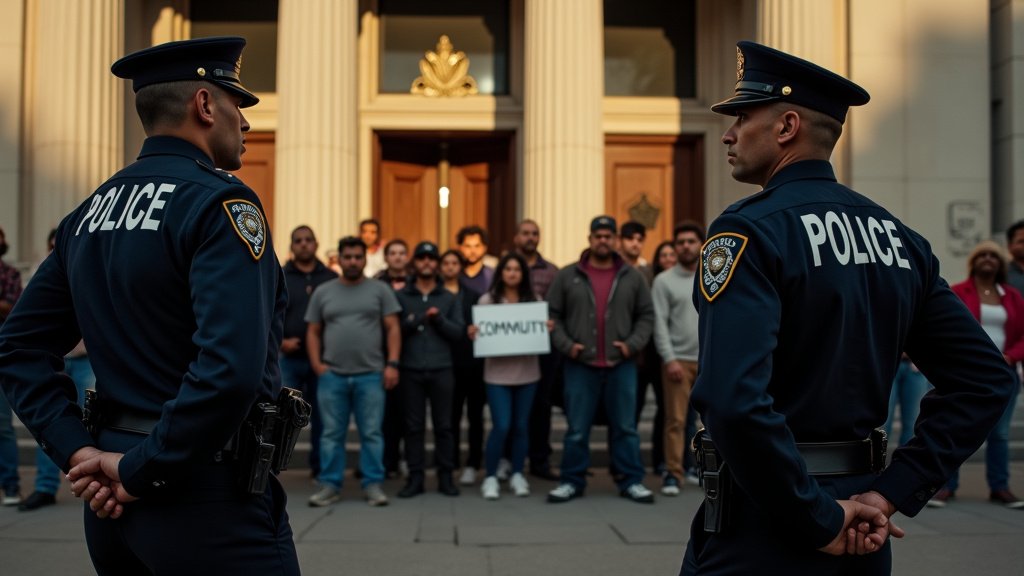

Student walkouts protesting U.S. Immigration and Customs Enforcement (ICE) have swept across Texas. These actions highlight a deep tension. It’s a friction between civil disobedience and established school policy. This news sparks debate on student rights. It also questions administrative responsibilities. The core issue involves students expressing their deeply held beliefs. They do so by walking out of class. However, this act directly challenges school rules.
Students Exercise Their Voice
Students across North Texas have organized walkouts. They protest ICE policies and actions. These events gained momentum after specific ICE operations. Incidents like recent killings by ICE agents fueled student action. Many students feel a strong connection to immigrant communities. They see these walkouts as vital. It is their way of showing solidarity. It is also a way to raise awareness. Students like Brody Jones view this as a community issue. He states people don’t feel safe. He cannot stand for that injustice. These young people see their protests as a form of civic engagement. They believe their voices must be heard. Many students understand the risks involved. They choose to act despite potential consequences.
Official Backlash and Warnings
State leaders in Texas have responded forcefully. Governor Greg Abbott declared walkouts during school hours unacceptable. He directed the Texas Education Agency (TEA). The TEA issued guidance warning districts. Districts could face investigations. They might even lose state funding. Abbott views these acts as mere class-skipping. He argues they are not protected free speech. His administration has even praised student arrests at protests. Attorney General Ken Paxton also took action. His office launched investigations. These targeted Dallas ISD and other districts. Paxton alleged districts “facilitated” protests. He questioned if staff helped organize them. He vowed to prevent schools from becoming “breeding grounds for the radical Left’s open borders agenda.” Paxton also expressed concerns about student safety. He raised questions about accountability.
Navigating School Policies
School administrators face a difficult balancing act. They must uphold district policies. This includes rules against leaving campus without permission. However, they also acknowledge students’ rights. Legal experts note students do not lose their rights at school. Still, schools can regulate speech that causes substantial disruption. Disciplinary actions vary widely. Some districts mark walkouts as unexcused absences. Others impose in-school or out-of-school suspensions. Some students faced loss of privileges. This includes prom attendance or graduation. One district faced criticism for “excessive” discipline. For example, East Central ISD students received suspensions. This news highlights differing approaches. It shows the friction within the education system.
The Core of Civil Disobedience
These student walkouts are acts of civil disobedience. Students are intentionally breaking rules. They do so to highlight perceived injustices. Historically, student protests have driven social change. Examples include the Civil Rights Movement. Students are willing to face consequences. This willingness is central to civil disobedience. However, the debate rages on. Should discipline focus on rules or retribution? Some argue against punishments driven by political whims. They advocate for nurturing social consciousness. The friction arises from these competing values. Students act on conviction. Officials react to policy and political pressure.
A Continuing Debate
The news surrounding these walkouts is ongoing. It reveals a generation ready for civic action. These students are passionate about issues. They are actively engaging in public discourse. Their actions prompt questions about education’s role. Should schools encourage activism? How should they handle disruptions? The clash between student expression and school authority continues. Texas remains a focal point for this discussion. The friction of civil disobedience is clearly evident. It shapes current news and future youth engagement. This educational news reflects broader societal debates.