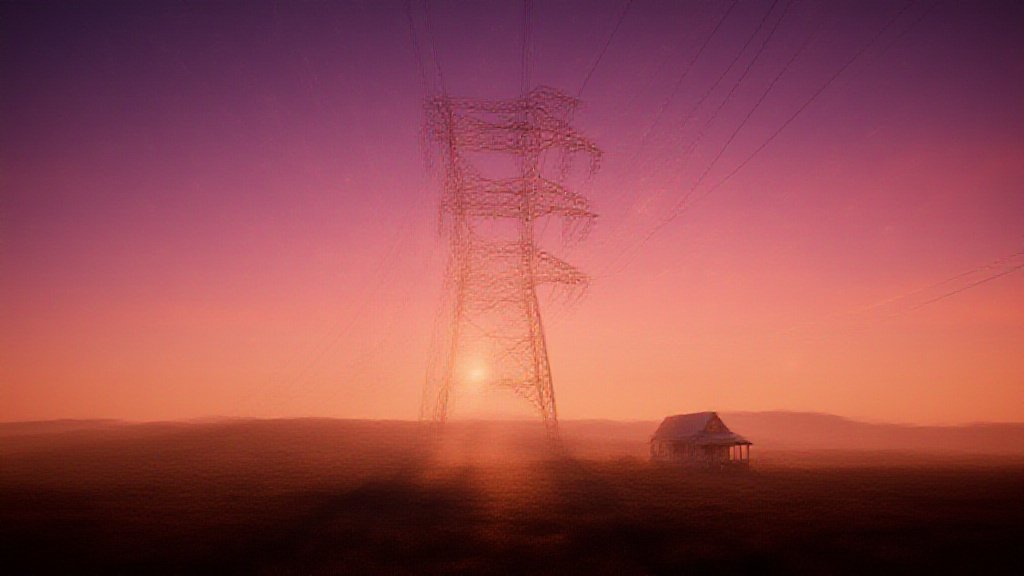
A massive power transmission project is set to cross Texas. The Howard-Solstice Transmission Line Project will connect San Antonio to Fort Stockton. It is a 765-kilovolt (kV) line. This project aims to boost electricity for West Texas. The Permian Basin has growing energy demands. Oil and gas production drives much of this need. Data centers also require significant power. The Public Utility Commission of Texas (PUCT) approved the project. This news comes as Texas faces grid challenges.
Project Scope and Objectives
The Howard-Solstice line is a joint venture. AEP Texas and CPS Energy are the developers. It will stretch approximately 370 miles. This transmission line is one of the first 765-kV lines in Texas. These high-voltage lines offer greater efficiency. They can move more power over longer distances. Fewer energy losses occur with this technology. The project is part of a state plan. Texas House Bill 5066 prompted this plan. It focuses on the Permian Basin’s reliability. The goal is to modernize Texas’s electric grid. It ensures power for future growth. The line connects major substations. This creates new pathways for electricity. However, the project faces significant opposition.
Widespread Concerns Emerge
Many Texans express deep worries. Landowners are particularly concerned. They fear impacts on their property values. Some predict value drops of 15-50%. The project requires large easements. These rights-of-way can span 200 feet wide. Utility companies may use eminent domain. This process can force landowners to sell land. It affects private property across 14 counties. Residents also worry about aesthetic impacts. Huge lattice towers will rise up to 160 feet. These structures will stand every 1,400 feet. Such visual changes can alter the landscape. Some report potential noise from the towers. A constant hum could affect nearby homes.
Environmental and Economic Impacts
Environmental groups raise serious red flags. The proposed routes could fragment wildlife habitats. They may disrupt migratory paths for birds. Sensitive ecosystems face potential harm. This includes areas crucial for water resources. Clearing land impacts flora and fauna. The project might affect soil quality. It also poses risks to water quality from runoff. Local economies are also a worry. The Texas Hill Country relies on tourism. Large transmission lines could harm this industry. It impacts views and the rural character. Some local officials see no direct benefit. The power is routed to the Permian Basin. It does not serve local communities directly.
Local Opposition and Resolutions
Several counties have formally opposed the project. Bandera County Commissioners passed a resolution. Uvalde County Commissioners did the same. These local governments voice strong objections. They argue against routes crossing their areas. They cite impacts on property, tourism, and the environment. These resolutions highlight a growing divide. They reflect local fears about development decisions. Residents feel their voices are not fully heard. They urge alternative routes. These might follow existing infrastructure. They prefer avoiding sensitive natural areas. They advocate for respecting rural landowners.
State Mandate and Grid Modernization
The state views this project differently. Texas faces unprecedented economic growth. Electricity demand is surging. This surge comes from industry and development. The PUCT approved the 765-kV option. This decision aligns with state law. House Bill 5066 mandates grid improvements. ERCOT endorsed the Permian Basin plan. It is critical for statewide reliability. The current grid needs upgrades. Older lines cannot meet future demands. Higher voltage lines are more efficient. They reduce energy loss during transmission. This modernization is key for Texas’s future. It supports major industries like oil and gas. It also powers new data centers. The project is a step toward a robust grid. However, the news highlights the tension. It pits essential infrastructure needs against local concerns. The debate over the Howard-Solstice line continues.
Path Forward and Future Outlook
The project is currently in its planning stages. The PUCT will decide the final route. Public input is a key part of this process. Landowners have specific rights during this phase. They receive notices about potential impacts. The regulatory process involves public comments. Route selection considers various factors. These include engineering, environment, and cost. Construction is anticipated to start in Fall 2028. The line is expected to be in service by Fall 2030. This ongoing news story shows Texas balancing growth. It must manage energy needs and community values. The Howard-Solstice project is a major example. Its impact will shape the Texas landscape for years.