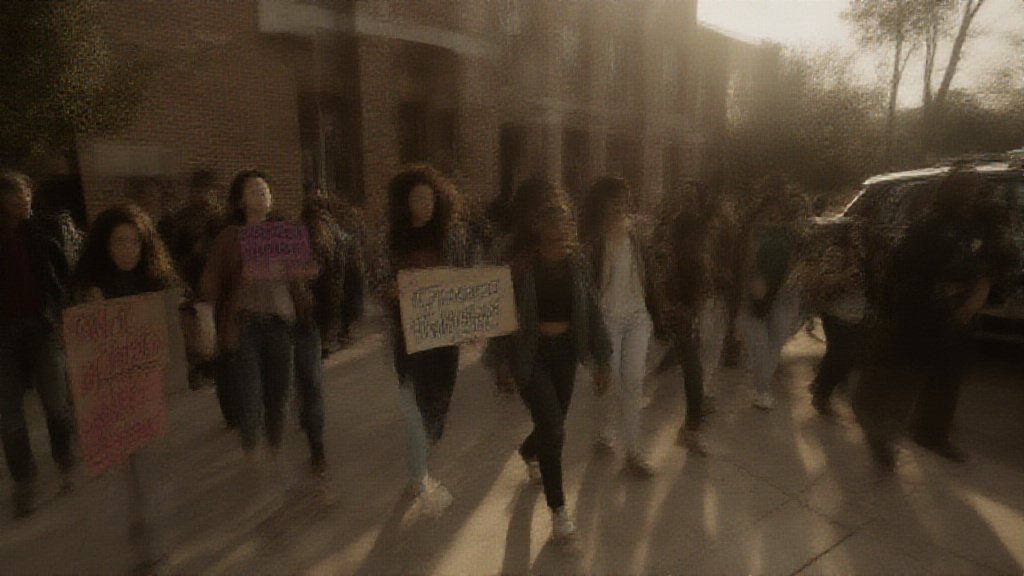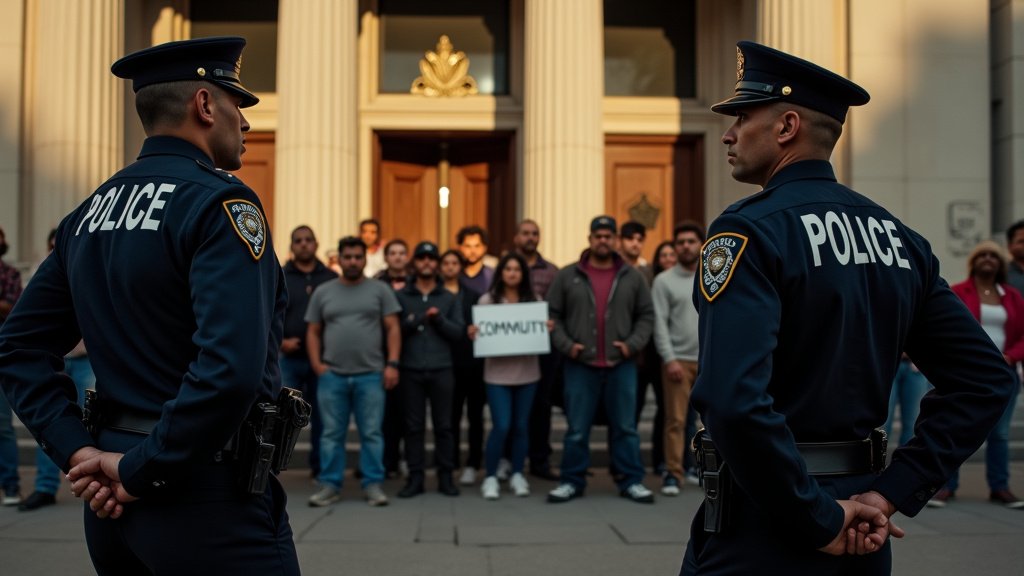


A recent editorial cartoon published by The Dallas Morning News has drawn attention to a perceived contradiction in the U.S. Supreme Court’s approach to race. The cartoon, created by acclaimed cartoonist Joel Pete, juxtaposes the court’s recent rulings on college admissions and immigration enforcement, highlighting a stark contrast in how race is treated by the judiciary.
The Supreme Court’s Stance on College Admissions
In June 2023, the Supreme Court issued a landmark decision in Students for Fair Admissions, Inc. v. President and Fellows of Harvard College and Students for Fair Admissions, Inc. v. University of North Carolina, effectively ending race-conscious affirmative action in college admissions. The court ruled that considering race as a factor in admissions decisions violates the Equal Protection Clause of the Fourteenth Amendment. This decision reversed decades of precedent and has led to significant shifts in how universities, including those in Texas, approach diversity and admissions. The ruling argued for a colorblind approach, stating that race should not be a determinative factor, aiming to prevent discrimination while raising concerns about potential declines in campus diversity, particularly for Black, Latino, and Indigenous students.
The Supreme Court’s Stance on Immigration Enforcement
More recently, in September 2025, the Supreme Court made another significant ruling regarding immigration enforcement in Noem v. Vasquez Perdomo. This decision overturned a lower court order that had restricted Immigration and Customs Enforcement (ICE) from conducting roving patrols that targeted Latino communities without reasonable suspicion. The concurring opinion from Justice Kavanaugh indicated that “apparent ethnicity” could be a “relevant factor” for ICE stops, alongside other elements like speaking Spanish or an accent, location, and employment type. This ruling has been widely interpreted as legalizing racial profiling in immigration raids, sparking fears among communities of color about increased targeting and harassment.
Pete’s Cartoon Visualizes the Discrepancy
Joel Pete’s editorial cartoon, published by The Dallas Morning News, likely visually articulates the striking difference between these two judicial stances. While the Supreme Court has deemed race an impermissible consideration in striving for diversity in higher education, it has simultaneously sanctioned the use of ethnic and racial characteristics as grounds for suspicion and detention by ICE. This creates a public perception of a double standard, where race is considered too sensitive for university admissions but sufficiently relevant for immigration enforcement. The Dallas Morning News, known for its editorial board representing the paper’s official stance, published this cartoon as part of its opinion pages, contributing to the public discourse on these critical issues.
Implications and Broader Context
The implications of these contrasting rulings are profound. Civil rights advocates and legal scholars have voiced concern that the Supreme Court’s decisions create a troubling paradox: preventing the use of race to combat historical discrimination in education while allowing its use to potentially facilitate discrimination in immigration enforcement. This situation raises questions about the consistent application of constitutional principles and the societal value placed on racial identity. The debate also touches upon ongoing discussions in Texas and nationwide about immigration policy, the effectiveness of enforcement tactics, and the pursuit of equity and inclusion in both educational institutions and public spaces.
Commentary on Societal Priorities
The juxtaposition presented by the cartoon serves as a potent commentary on what many perceive as conflicting priorities in American society and law. It prompts reflection on whether the legal framework surrounding race is applied equitably across different spheres of public life. By highlighting this apparent inconsistency, Pete’s work invites the public and policymakers to critically examine the nation’s approach to racial justice and civil liberties in an era of evolving legal interpretations and heightened social scrutiny.