

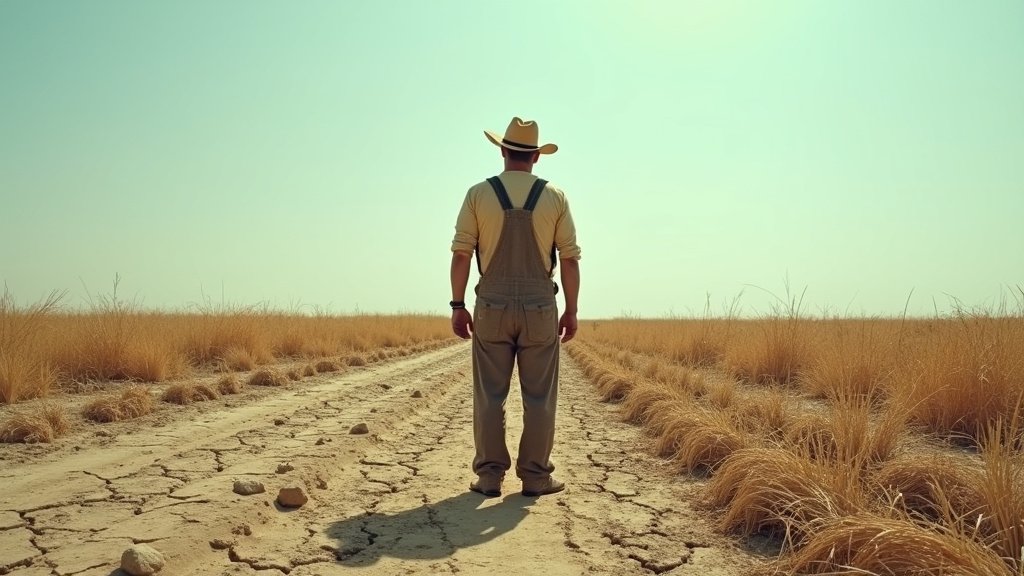
Texas Rice Production Poised for Significant Drop in 2026
Texas rice farmers are facing a challenging year. Production is expected to fall by 15% in 2026. This marks another step in a long-term decline. Acreage is projected to drop significantly. Farmers are battling rising costs. Water scarcity also presents a major hurdle.
Acreage Shrinks Amidst Historical Trends
Rice production in Texas is forecast to cover about 120,000 acres in 2026. This is down from an estimated 142,000 acres in 2025. In fact, Texas rice acreage has seen a dramatic 75% reduction since 1980. Population growth is a primary driver. Increased water demand from a growing state population strains resources. This long-term trend continues to shape the industry.
Soaring Input Costs Squeeze Farmers
Production costs in Texas remain high. Farmers spend significantly more per acre. This figure is about $400 to $500 higher than in other rice-producing states. Primarily, increased water and land costs drive this. Input expenses like fertilizer, fuel, and hired labor are also rising. Interest rates on operating loans have doubled since 2021. These economic pressures make farming less profitable. Many growers worry about securing bank loans. This news from Texas agriculture impacts farm viability.
Water: A Critical, Scarce Resource
Water availability is a major concern. The Gulf Coast aquifer faces immense pressure. Wells that once drew water at 200-300 feet now reach 800-1,000 feet. Drilling and equipping these wells costs over $100,000. Pumping costs have soared. Water sold to urban and industrial users takes priority. Rice farmers’ water allocations are often interruptible. This scarcity limits planting options. It threatens the very survival of rice farms. In Texas, water is a lifeline for agriculture.
Pest Pressures and Market Headwinds
Rice delphacid has become a recurring pest. This insect significantly impacts yields and quality. It has been a major entomological event. Additionally, global market dynamics play a role. Lower commodity prices and increased Asian production add pressure. Higher inventories also contribute to market challenges. Poor milling yields affect sales to Central America. Buyers increasingly prefer South American rice. This shift creates further headwinds for U.S. producers.
Yields Increase While Acreage Falls
Despite reduced acreage, yields have seen substantial gains. Historically, yields increased by 187%. Current yields are described as average, around 8,000 to 9,000 pounds per acre. However, impressive yields cannot fully offset declining land use. This historical improvement showcases technological advances. It also highlights the resilience of Texas farmers.
Economic Ripple Effects Felt Across Texas
The Texas rice industry is vital to the state’s economy. It contributes over $140 million annually. Rice production and processing create thousands of jobs. However, current losses are substantial. Some reports indicate farmers losing hundreds of dollars per acre. This financial strain impacts related businesses. Millers, dryers, and transportation companies feel the pinch. This news from the Texas rice belt has broader economic implications.
Outlook Remains Uncertain for Texas Rice
The current situation presents serious challenges. High costs, water scarcity, and pest issues loom large. Market dynamics also create uncertainty. The long-term decline in rice acreage continues. This significant news is a cause for concern. Farmers are looking for ways to reduce costs. They hope for better water access and stable markets. The future of rice farming in Texas remains uncertain. This ongoing buzz highlights critical issues.