

US International Education Faces a Turbulent 2025
2025 proved to be a pivotal year for US International Education. New policies and evolving government priorities significantly shaped the landscape of US International Education. Trending news highlighted a complex environment for students and institutions alike, impacting student mobility issues and US student visas. These twelve key stories defined the year for US International Education.
Proposed End to ‘Duration of Status’ Policy in US International Education
The Department of Homeland Security proposed ending “duration of status” (D/S) for F-1 and J-1 visa holders, a policy crucial for US International Education. This long-standing policy allowed students to stay as long as they maintained their academic program. The new rule suggested fixed admission periods, typically not exceeding four years. Students needing more time would require extensions approved by USCIS. This change raised concerns about program length and student planning in US International Education. It also introduced new limits for English language studies. The comment period for this proposed rule closed in September 2025, impacting future US International Education.
OPT Program Faces Major Overhaul, Affecting US International Education
Optional Practical Training (OPT) became a major focus for policy changes impacting US International Education. A proposed rule aimed to severely restrict or end the OPT program. Supporters argued this would protect US workers and address national security concerns, influencing US International Education. They claimed OPT was a pathway to H-1B visas and displaced American labor. The program allows international students to work for 12-36 months after graduation. Around 250,000 students benefit annually from OPT and STEM OPT. This potential shift created widespread anxiety among students and is a critical aspect of US International Education.
Record H-1B Fee Sparks Legal Battles, Influencing US International Education
The US government announced a substantial increase in H-1B visa fees, a key concern for US International Education. Companies filing new H-1B petitions after September 21, 2025, faced a $100,000 supplemental fee. This move aimed to reduce immigration and encourage hiring American workers. The fee applied to new applications, not renewals or existing visas. This significant cost prompted legal challenges. The US Chamber of Commerce appealed a court decision upholding the fee. The dispute highlighted tensions over skilled worker visas and their effect on US International Education.
Expanded Travel Bans Disrupt Student Mobility in US International Education
Travel bans, a familiar policy from a previous administration, saw significant expansion in 2025, impacting international education policies and student mobility issues. Bans targeted citizens from dozens of countries. These restrictions complicated entry and re-entry into the US. Students from affected nations faced potential visa denials or delays. This created uncertainty for students already in the US and those planning to attend, a major challenge for US International Education. The bans affected immigrant and non-immigrant visa categories, including Chinese student visas.
Visa Processing Paused Amid Enhanced Security Screening for US International Education
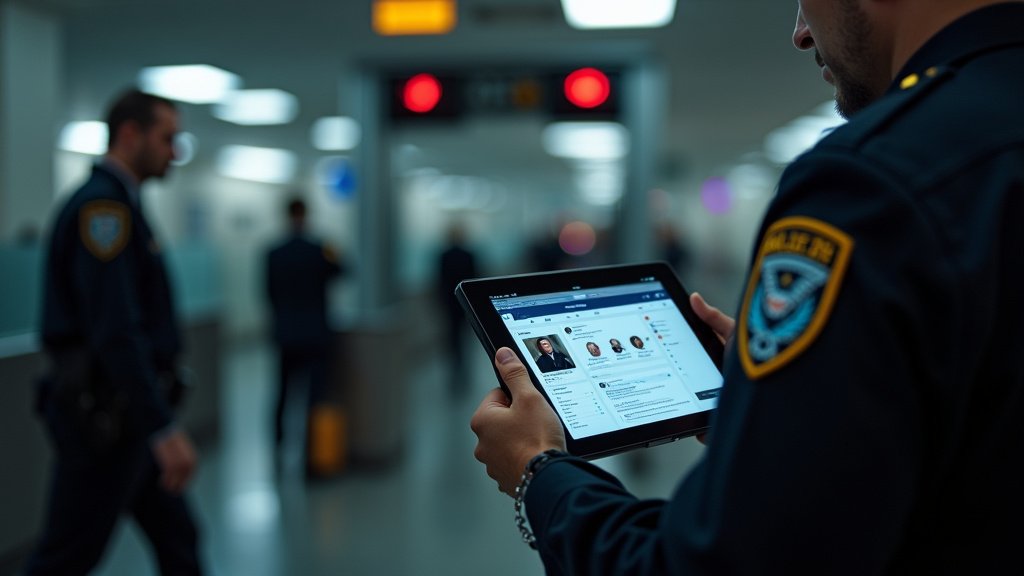
In May 2025, the State Department paused new student visa interviews, a critical step in US International Education. This pause was for implementing enhanced social media and security vetting. Applicants now undergo broader background checks. This led to significant backlogs and longer processing times. Students faced delays for the Fall 2025 intake. The process became more rigorous for all visa applicants, affecting US student visas and Chinese student visas.
Study Abroad Funding Slashed, Impacting US International Education
Federal funding for study abroad programs faced sharp cuts, a significant blow to US International Education. The State Department reduced grants by $100 million in August 2025. This money was already approved by Congress. The cuts impacted dozens of cultural exchange programs. Stakeholders warned of an “existential crisis” for US cultural exchange. Funding pauses, even temporary ones, created significant stress for participants and limited study abroad funding opportunities.
Harvard’s Bold Stand Against Federal Demands in US International Education
Harvard University became a focal point of federal pressure within US International Education. The university resisted a list of government demands in April. These included reporting on international students and ending diversity programs. The administration repeatedly tried to revoke Harvard’s ability to host international students. Harvard took the fight to the courts, refusing government directives. This institutional resistance highlighted tensions over campus policies affecting US International Education.
Targeted Scrutiny on Chinese Student Visas and US International Education
Increased scrutiny was applied to student visa applications from China and Hong Kong, a specific area of international education policies. This targeted students with ties to the Chinese Communist Party or studying in critical fields. The move reflected geopolitical tensions and a broader effort to tighten visa policies. These restrictions impacted students pursuing sensitive STEM areas, a key concern for Chinese student visas and overall US International Education.
OPT Eligibility Broadened for All Graduates in US International Education
Early in 2025, USCIS expanded OPT eligibility, a positive development for US International Education. This allowed all students, regardless of degree level, to apply for post-completion OPT. It included associate, bachelor’s, master’s, and doctoral degrees. This change offered more opportunities for practical work experience in the US, impacting OPT program changes. It represented a positive development for international students seeking employment in US International Education.
Enrollment Numbers Show a Downturn in US International Education
Reports in late 2025 indicated a slowdown in international student growth, a troubling trend for US International Education. The IIE’s Fall Snapshot survey showed a 17% drop in new enrollments. Graduate student numbers saw a particularly sharp decline. This trend was attributed to visa delays, travel restrictions, and a less welcoming climate. Many institutions reported fewer international applicants, impacting the landscape of US International Education.
New H-1B Selection Process Prioritizes Wages, Affecting US International Education
A proposed rule aimed to change the H-1B lottery system, a significant factor in US International Education. It suggested weighting lottery entries based on wage levels. Higher salaries would increase an applicant’s chances of selection. This system could disadvantage smaller businesses unable to match large corporations’ pay scales. It shifted focus from pure chance to higher wage offers, influencing H-1B visa fees.
Enhanced Flexibility for OPT and Transfers in US International Education
New policies introduced some flexibility for international students, a welcome change for US International Education. A 60-day grace period after OPT completion was established. This provided time to transfer schools, change education levels, or apply for other visas. Transfers between SEVP-certified schools also became easier. These changes aimed to reduce student pressure and increase planning time, positively impacting OPT program changes and the overall experience of US International Education.
A Year of Uncertainty and Shifting Dynamics in US International Education
2025 presented a complex picture for US International Education. Policy changes, from proposed D/S eliminations to H-1B fee hikes, created an uncertain climate. OPT faced intense scrutiny, while travel bans and visa processing issues disrupted student mobility and impacted international education policies. Despite these challenges, international students continued to contribute significantly to the US economy and academic environment. Navigating these trending policy shifts became crucial for students, institutions, and the future of global talent in the US, shaping the ongoing evolution of US International Education. The news of 2025 set the stage for continued debate and policy evolution in US International Education.