
Federal agents launched a major immigration operation. It is called Operation Catahoula Crunch. This crackdown began in New Orleans. It quickly spread to surrounding areas. Kenner, Louisiana, is a focus. It has the state’s largest Hispanic population. The operation aims to arrest 5,000 people. It is part of a nationwide surge. This news is unfolding now.
Operation Catahoula Crunch Begins
Department of Homeland Security leads the effort. The operation uses about 250 agents. They patrol marked and unmarked vehicles. They target immigrants with criminal records. DHS claims these individuals were released from local jails. This release is due to sanctuary policies. Tricia McLaughlin of DHS stated this. She said these policies endanger communities. She noted targets include violent offenders. Arrests target home invasion and rape cases. Border Patrol Commander Gregory Bovino is leading the team. He has been seen leading agents in New Orleans. The operation is named after Louisiana’s state dog. Planning documents also called it “Swamp Sweep.”
Economic Fallout Hits Hispanic Businesses
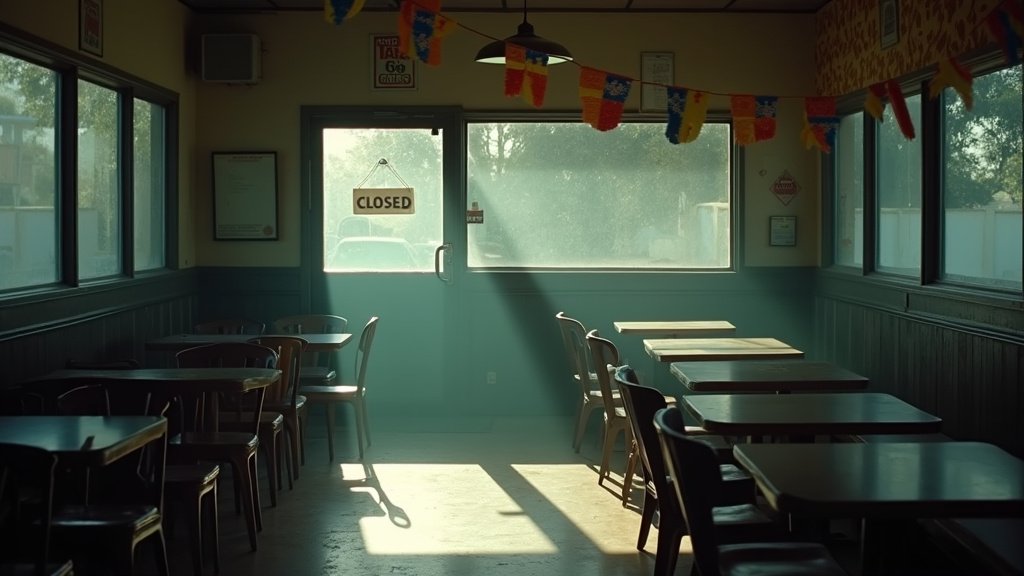
Kenner’s Hispanic neighborhood feels the impact. Shops are now empty. Carmela Diaz owns Taqueria La Conquistadora. She closed her restaurant. Sales dropped to zero. Customers and workers fear leaving home. “There were days we didn’t sell anything,” Diaz said. “That’s why I made the decision to close.” Many other businesses are also suffering. Nicaraguan eateries and Honduran restaurants are affected. Restaurants like Los Hondureños posted closure signs. Viva Nicaragua and Café Tomas also closed temporarily. This economic devastation impacts the community’s livelihood. Day laborer gathering spots are now abandoned. People are staying home to avoid encounters.
Fear Grips Kenner
Federal agents detain people publicly. Videos show agents at businesses. They were also seen at construction sites. This creates widespread fear. Residents worry about their families. Children are afraid to go outside. Their parents fear encounters. One homeowner saw her house “raided.” She questioned why ICE was there. Her roofers were taken into custody. Many fear being questioned or detained. This fear extends to US citizens. It affects anyone perceived as Hispanic. Advocacy groups report trauma. They say people are in hiding. This climate of fear is pervasive.
Official Justifications and Criticisms
DHS insists it targets “violent criminals.” They highlight specific cases. These include homicide and kidnapping charges. However, critics question these claims. Data suggests many arrests involve people without criminal records. Syracuse University data shows this. It is a US trend in such operations. Advocates point to past sweeps. Agents in other cities sometimes detained citizens. They also arrested those with minor offenses. Kenner’s police chief noted ICE involvement. He cited the “large amount of Hispanics out there.” This statement drew criticism. Critics suggest it points to racial profiling. An immigrant rights group is challenging a state law. It targets interfering with immigration enforcement. Concerns exist about free speech. Legal advice is being curtailed. The US Border is a constant topic.
A Community on Edge
Louisiana’s Hispanic population has grown. Many arrived after Hurricane Katrina. They helped rebuild the state. They now form a vital part of its economy. The Hispanic Chamber of Commerce voices concern. They say these actions foster fear. They could harm the economy. Immigrants start businesses. They fill essential jobs. They pay taxes. This crackdown disrupts that vital contribution. The news is trending nationwide. This immigration news highlights a growing US concern. Governor Jeff Landry supports the federal action. He welcomes federal support. However, community leaders express deep worry. They feel unheard and unsafe.
Broader Context and Conclusion
Operation Catahoula Crunch follows similar actions. They occurred in Los Angeles, Chicago, and Charlotte. These operations aim to enforce immigration laws. They often draw controversy. Louisiana’s state officials cooperate. This differs from some other cities. New Orleans faces pressure to comply. The federal crackdown creates hardship. It empties businesses. It instills fear. It impacts a community that rebuilt the region. The long-term economic and social effects are significant. This remains a developing news story. The US immigration debate continues. It affects local communities profoundly.