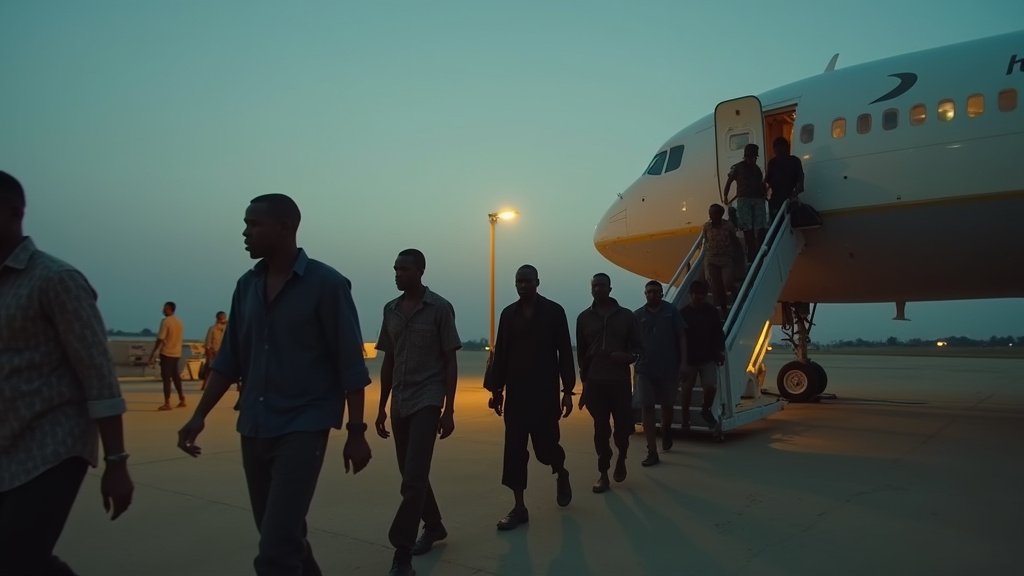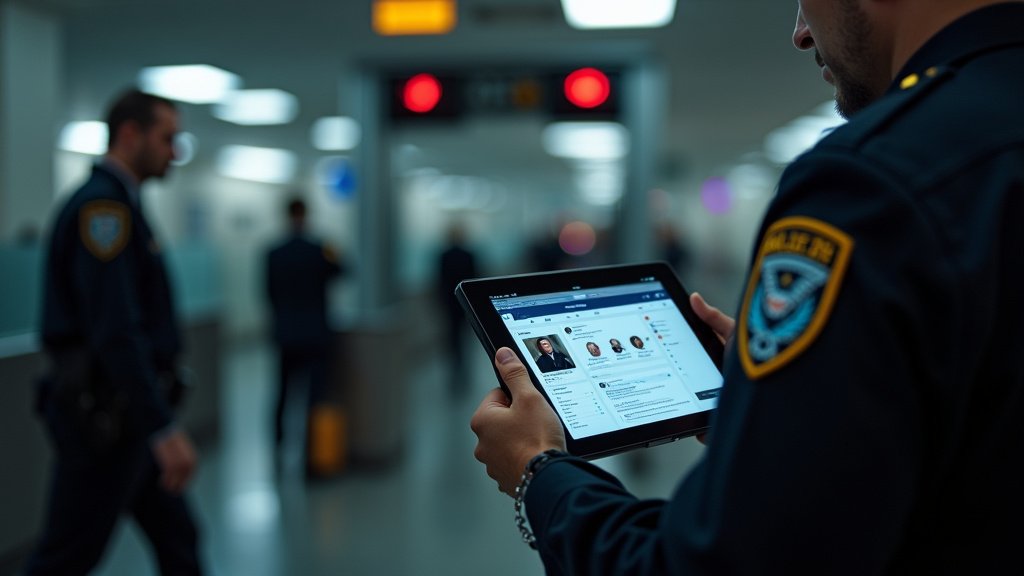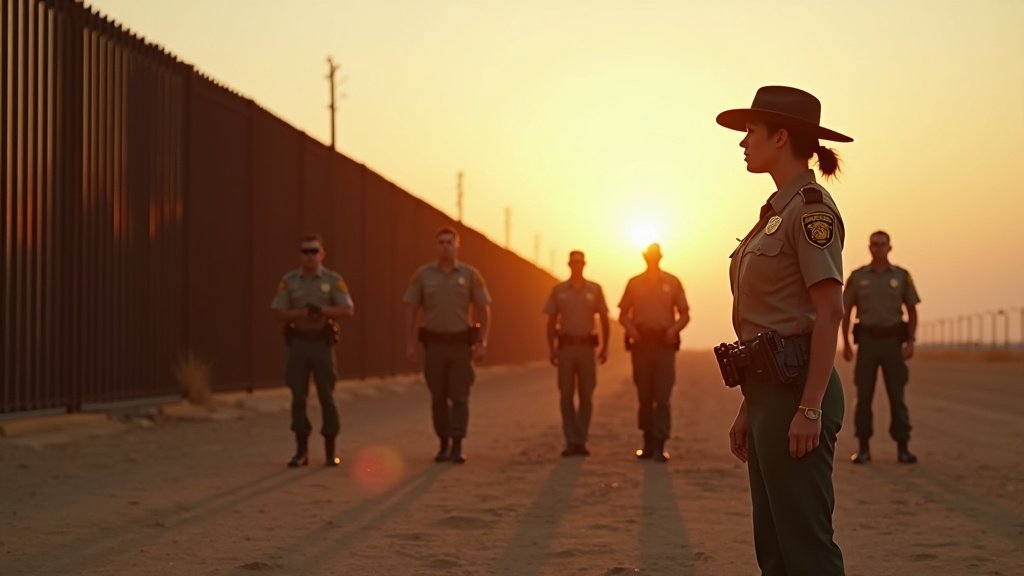

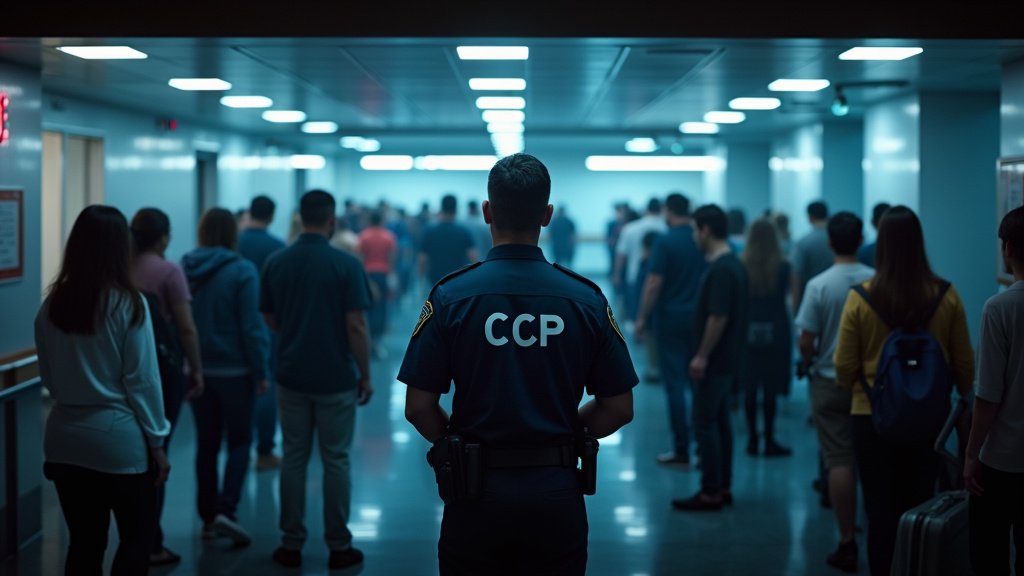
The United States has launched a new border policy that took effect on December 26, 2025. The Biometric Scan US Border is now a requirement for all non-citizens, marking a significant shift for US border security. This new rule applies nationwide to every Biometric Scan US Border interaction, enhancing traveler identity verification.
Universal Biometric Collection at the Biometric Scan US Border
Previously, some travelers were exempt from a Biometric Scan US Border, including younger children and older adults, as well as many Canadian visitors and diplomats. Now, these exemptions are removed, and all non-U.S. citizens must provide biometric data for a Biometric Scan US Border. This includes facial photographs and may also include fingerprints as part of the Biometric Scan US Border process, ensuring comprehensive biometric scan requirements are met.
Lawful Permanent Residents, commonly known as green card holders, are also affected by the Biometric Scan US Border and must now undergo biometric checks at the Biometric Scan US Border. This new system covers all points of entry, including airports, land borders, and seaports for every Biometric Scan US Border. The expanded system also covers private aircraft and cruise ships requiring a Biometric Scan US Border, reinforcing national security at every touchpoint.
Purpose of the New Biometric Scan US Border System
The Department of Homeland Security (DHS) spearheaded this change for the Biometric Scan US Border. The main goal is to boost national security border through a robust Biometric Scan US Border. It aims to enhance traveler identity verification at the Biometric Scan US Border. The DHS biometric system will help monitor visa overstays more accurately and closes critical security gaps in the Biometric Scan US Border. Imposters and those overstaying visas will find it harder to pass through the Biometric Scan US Border.
Furthermore, the system aids in identifying criminals during a Biometric Scan US Border, helps detect known or suspected terrorists at the Biometric Scan US Border, and works to prevent visa fraud through the Biometric Scan US Border. The goal is to stop illegal re-entries by removed individuals at the Biometric Scan US Border. This initiative supports long-standing mandates for national security border operations and the Biometric Scan US Border.
Data Collection and Retention for Biometric Scan US Border
CBP officials capture facial images during a Biometric Scan US Border and may also collect fingerprints or iris scans as part of the Biometric Scan US Border. This data is matched against existing government records via the Biometric Scan US Border. The Traveler Verification Service facilitates this process for the Biometric Scan US Border, helping to confirm traveler identities at the Biometric Scan US Border. The system aims to streamline checks for officers during a Biometric Scan US Border.
US citizens are exempt from this mandatory Biometric Scan US Border collection. They can opt out by notifying a CBP officer and will then undergo manual passport inspection. US citizens who voluntarily provide photos during a Biometric Scan US Border will see them deleted within twelve hours.
However, data for non-citizen entry is kept longer after their Biometric Scan US Border. Biometric records are stored in the DHS Biometric Identity Management System. This data can be retained for up to 75 years after the Biometric Scan US Border, aligning with existing record rules for the Biometric Scan US Border.
Background and Expansion of the Biometric Scan US Border
This nationwide rollout follows years of planning for the Biometric Scan US Border. Earlier efforts involved pilot programs for the Biometric Scan US Border, testing facial recognition and other biometric technologies at the Biometric Scan US Border. President Trump’s administration initiated steps for expedited implementation of the Biometric Scan US Border. The system is designed to capture data from about 120 million departures annually through the Biometric Scan US Border, a significant increase from past figures at the Biometric Scan US Border.
The expansion moves biometric collection beyond airports to all aspects of the Biometric Scan US Border. It now covers all major travel modes for a Biometric Scan US Border, including land, sea, and air, and vehicle and pedestrian crossings at the Biometric Scan US Border. This is a major development in US border control news and the Biometric Scan US Border.
Implications and Future Considerations for Biometric Scan US Border
The comprehensive biometric screening is a trending topic, especially concerning the Biometric Scan US Border. It represents a substantial change for international travelers undergoing a Biometric Scan US Border. Companies are briefing travelers on these added steps for the Biometric Scan US Border. Keeping passport data current is vital for smooth processing at the Biometric Scan US Border.
Civil liberties advocates have raised concerns about the Biometric Scan US Border, citing potential privacy risks and data security worries. Some lawmakers have voiced reservations about the Biometric Scan US Border, citing the potential for discriminatory surveillance. The government emphasizes its commitment to privacy despite the Biometric Scan US Border, stating that safeguards are in place for the Biometric Scan US Border.
This new system is a cornerstone of US border security efforts, including the Biometric Scan US Border. It aims to create a more secure and efficient border through the Biometric Scan US Border. The full implementation of the Biometric Scan US Border will continue over several years. Travelers should stay informed about these evolving protocols, especially regarding the Biometric Scan US Border, the Biometric Scan US Border requirements, and US border security protocols.