

In a significant development for Texas’s agricultural economy, voters overwhelmingly approved **Texas Proposition 5** on November 5, 2025, amending the state constitution to exempt animal feed held for retail sale from tangible personal property taxes. This news, directly related to **Texas Proposition 5**, marks a pivotal shift in tax policy, aiming to alleviate financial burdens on farmers, ranchers, and the businesses that supply them, offering crucial **property tax relief**.
Understanding Texas Proposition 5 and its Purpose
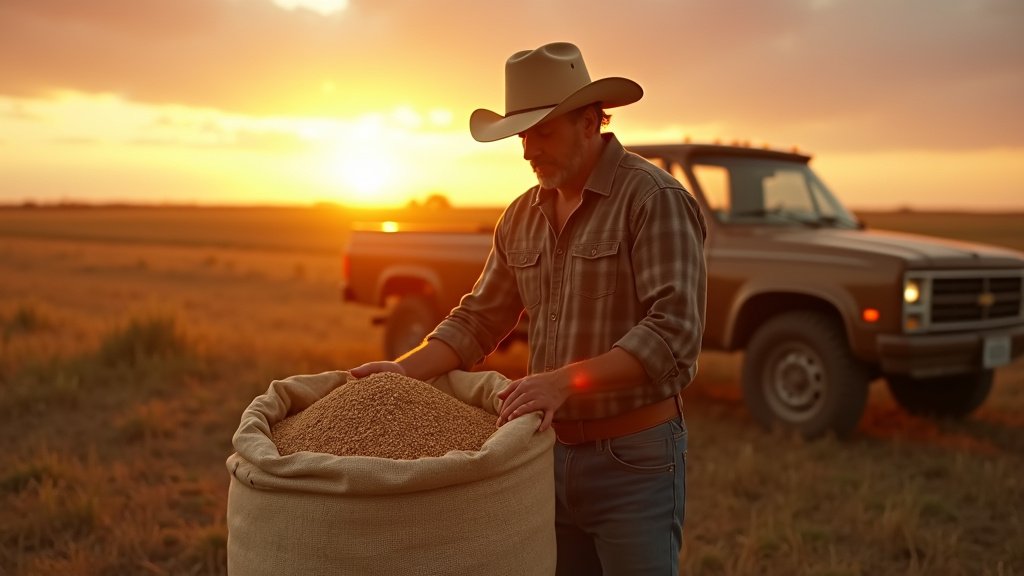
**Texas Proposition 5**, stemming from House Joint Resolution 99 (HJR 99), addressed a long-standing inconsistency in Texas’s property tax system concerning animal feed. While animal feed has historically been exempt from taxation during its production, transportation, and even at the point of purchase by farmers and ranchers, it became subject to personal property (ad valorem) taxes once it was held as inventory by retailers awaiting sale. This situation created a tax burden specifically on feed sellers when their warehouses were typically at their fullest, often due to the seasonal demands of the agriculture business, impacting the **agricultural economy Texas** relies on.
HJR 99, authored by State Representative Cody Harris, was designed to empower the Texas Legislature to grant an exemption for this retail inventory of animal feed, thereby creating a more uniform tax treatment across the supply chain, supporting **farmers ranchers support**. The resolution passed both the Texas House and Senate with substantial bipartisan support, demonstrating a consensus on the need for this fiscal adjustment under **Texas Proposition 5**.
Arguments for Relief: Supporting the Agricultural Industry through Texas Proposition 5
Supporters of **Texas Proposition 5** championed the measure as a critical step toward lowering operational costs for agricultural producers and feed businesses. They argued that the tax on feed inventory directly contributed to higher prices for farmers and ranchers, who are already navigating rising expenses. By removing this tax, the amendment is expected to help stabilize and potentially reduce feed costs, offering much-needed financial relief to an industry vital to the state’s economy, reinforcing the importance of **Texas agriculture tax** policies.
State Representative Cody Harris highlighted that the exemption addresses an unfair tax disparity, noting that animal feed is generally tax-free until it reaches the retail stage, a key point addressed by **Texas Proposition 5**. Proponents also viewed the measure as a means to simplify the tax code, prevent potential double taxation, and support small agricultural businesses without necessitating an expansion of government spending. No organized opposition to HJR 99 was documented during its legislative journey or in the lead-up to the election, underscoring the broad agreement on the benefits of **Texas Proposition 5**.
Implications and Future Outlook of Texas Proposition 5
The passage of **Texas Proposition 5** grants the Legislature the authority to implement the exemption, allowing for flexibility in defining specific criteria and limitations through future legislation, including the **animal feed tax exemption**. While the measure is expected to reduce local property tax revenue, a fiscal note from the state’s Legislative Budget Board suggested that the impact on state finances, particularly concerning reimbursements to school districts, would not be significant. This approach aligns with a broader trend in Texas toward re-evaluating property tax obligations, especially for business inventories like the **retail inventory tax** that **Texas Proposition 5** now addresses, and aims to enhance the competitiveness of the state’s agricultural sector.
This trending policy change underscores Texas’s commitment to supporting its agricultural foundation through measures like **Texas Proposition 5**. By eliminating a specific tax impediment, **Texas Proposition 5** is poised to strengthen the state’s farming and ranching operations, making it a more favorable environment for businesses within this critical industry. The proposition was part of a larger slate of 17 constitutional amendments that Texas voters considered, many of which also focused on tax adjustments and public investments, with **Texas Proposition 5** being a significant win for **farmers ranchers support**.
Election Results Confirm Approval for Texas Proposition 5
On November 5, 2025, official results confirmed that Texas voters cast their ballots in favor of **Texas Proposition 5**, thereby approving the **Texas constitutional amendment**. This decisive vote empowers state lawmakers to enact legislation that will provide tangible tax relief for animal feed retailers, indirectly benefiting the state’s farmers and ranchers and reinforcing Texas’s position as a key agricultural producer in the nation. The implementation of this exemption, a direct result of **Texas Proposition 5**, is anticipated to streamline operations and contribute to the sustained viability of the agricultural supply chain across the Lone Star State.