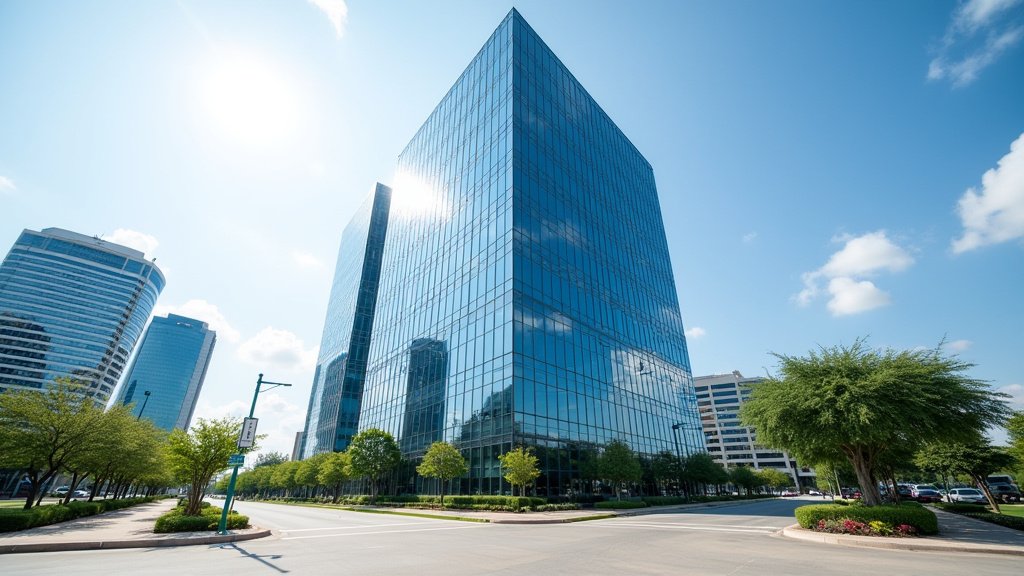
The U.S. Securities and Exchange Commission (SEC) has officially approved the Texas Stock Exchange (TXSE), marking a pivotal moment that introduces the first fully integrated national securities exchange in decades and directly challenges the long-standing dominance of the New York Stock Exchange (NYSE) and Nasdaq. This landmark decision, announced on September 30, 2025, paves the way for TXSE, headquartered in Dallas, to commence trading operations and corporate listings in 2026, heralding a new era of competition in American financial markets. This significant news underscores Texas’s growing influence as a financial hub.
SEC Grants National Exchange Status to TXSE
The SEC’s formal approval of TXSE’s Form 1 registration allows it to operate as a national securities exchange, offering comprehensive services including listing, trading, clearing, settlement, and market data. The approval signifies the culmination of years of planning and strategic development by TXSE Group Inc., positioning it as a direct competitor to the established financial giants.
TXSE Founder and CEO James H. Lee stated that the approval marks a “pivotal moment in our effort to build a world-class exchange rooted in alignment, transparency, and partnership with issuers and investors.” He added, “Real competition for corporate listings in the United States has finally arrived.” The exchange is built on a proprietary, state-of-the-art electronic trading platform designed for low-latency performance, flexibility, and scalability. This development represents a significant step in restoring robust competition to America’s public markets.
Texas Ascends as a Financial Powerhouse
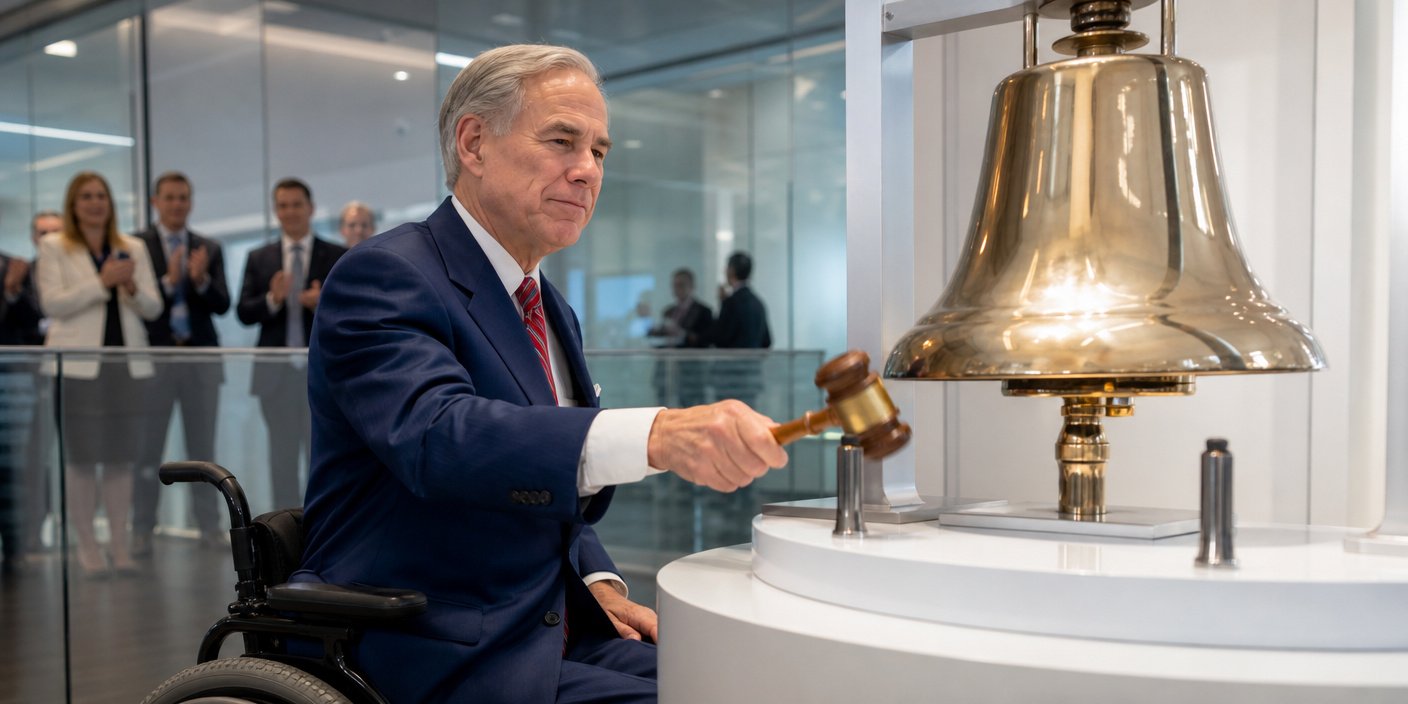
The establishment of TXSE is a key component of Texas’s broader strategy to position itself as a leading financial center, often referred to as “America’s financial hub.” Governor Greg Abbott has been a vocal proponent, celebrating the development and highlighting Texas’s business-friendly policies, such as the absence of state income tax and a reasonable regulatory environment, which attract significant corporate relocations and investment. The state’s economic growth, robust data center infrastructure, and a strong workforce in financial services are cited as crucial factors enabling this ambitious venture.
Dallas, in particular, is rapidly becoming a major financial market, with the Dallas-Fort Worth area already recognized as the second-largest financial services hub in the U.S. The city has seen substantial job growth in finance, outpacing traditional centers like New York. This momentum is further amplified by major financial institutions like Goldman Sachs investing heavily in expanding their presence in Dallas, signaling a shift in capital markets infrastructure away from the East Coast.
A Well-Funded Challenger Emerges
TXSE has secured substantial financial backing, initially announcing $120 million in funding in June 2024, which has since grown to $161 million as of early 2025. This funding comes from a diverse group of investors, including prominent industry titans like BlackRock, Citadel Securities, and Charles Schwab. This significant capitalization makes TXSE the most well-funded equities exchange applicant in SEC history, underscoring the serious intent behind its challenge to the established market leaders. The exchange is led by a team of experienced market veterans, including James H. Lee as Chairman, Founder, and CEO, and other executives with deep ties to the financial industry.
Strategy to Compete with NYSE and Nasdaq
TXSE aims to differentiate itself by fostering greater competition, innovation, and offering a more appealing value proposition to corporate issuers and investors. While NYSE and Nasdaq have historically held a near-duopoly, TXSE plans to address concerns over rising fees, stringent regulations, and the decline in the number of U.S. public companies over the past 25 years. TXSE intends to reverse this trend by easing the burden of going and staying public while maintaining high quantitative listing standards.
Experts note that TXSE’s strategy focuses on attracting high-value companies and potentially targeting dual listings. The exchange plans to offer competitive listing fees, which could be 30-50% lower than those of its rivals, and is exploring innovative revenue models, such as sharing market data revenue with listed companies. While its high-tier listing standard may exclude smaller-cap companies, it aims to build a premium brand attractive to quality issuers. The exchange’s leadership has also pointed to Texas’s favorable corporate governance laws, which differ from some Nasdaq rules, as a potential draw.
Implications for Business and Markets
The approval of TXSE is expected to have far-reaching implications for the business and financial sectors. It introduces a significant new competitor into the market, potentially leading to greater efficiency, lower costs for companies, and improved services for investors. Incumbent exchanges like NYSE and Nasdaq have already responded by expanding their presence in Texas, opening regional offices and even launching “NYSE Texas” in Dallas, signaling that they are taking the challenge seriously. This competitive pressure is likely to spur further innovation across the industry.
The business news surrounding TXSE’s launch also highlights a broader trend of financial activity shifting towards states with more business-friendly environments. The success of TXSE could encourage further decentralization of financial power and solidify Texas’s position as a major national economic engine. The exchange’s planned launch in 2026 is highly anticipated, with market participants eager to see how it will reshape the competitive landscape and contribute to the growth of U.S. public markets.