
The holiday warmth typically associated with South Texas has been abruptly sidelined this year as a powerful, high-velocity arctic cold front swept through the region, delivering the most significant freezing temperatures since 2013. Families gathering for the holiday were met with starkly different conditions than the mild weather residents have grown accustomed to, as temperatures plummeted, triggering a rapid change in plans and urgent warnings from local meteorologists.
Key Highlights
- Record-Breaking Chill: This Thanksgiving marks the coldest observed temperatures in South Texas since 2013, with many areas dropping below the freezing mark.
- Widespread Impact: The cold front has spanned from the Hill Country down to the Rio Grande Valley, creating a uniform freeze across a traditionally warm region.
- Meteorological Cause: A strong surge of arctic air, pushing south from Canada, collided with a high-pressure system, trapping the cold air across the southern plains.
- Infrastructure Precautions: Officials are monitoring electrical grid stability and advising residents to protect pipes and sensitive vegetation.
The Arctic Intrusion: A Meteorological Analysis
The abrupt shift in weather patterns is not merely a seasonal fluctuation but a result of a distinct meteorological event: an arctic air mass migration. According to data from the National Weather Service (NWS), the cold front moved with unusual speed, effectively pushing out the humid, temperate air that had dominated the Gulf Coast throughout much of November.
The Mechanics of the Freeze
The phenomenon is largely attributed to a breakdown in the typical atmospheric pressure gradients that usually keep arctic air contained to the northern United States and Canada. When these gradients weaken, “plunges” of polar air can reach as far south as the Rio Grande. This specific front was notable not just for the temperature drop, but for the duration of the sub-freezing conditions. Unlike the quick, passing fronts that occasionally graze the region, this system stalled, allowing the freezing air to settle over the landscape for an extended period, leading to cumulative thermal loss in both soil and infrastructure.
Comparing the 2013 Benchmark
The reference to the 2013 Thanksgiving freeze is significant for climate researchers and long-time residents alike. In 2013, the region experienced a similar setup that resulted in widespread frost and a significant energy demand surge. Comparing the current data to the 2013 event, climatologists from the National Oceanic and Atmospheric Administration (NOAA) are noting similar barometric readings, though this year’s moisture levels are slightly lower, which has reduced the potential for widespread icing on roadways, focusing the threat primarily on extreme cold rather than precipitation-related hazards.
Regional Impact and Critical Safety Measures
The impact of this freeze extends far beyond cancelled outdoor holiday plans. For South Texas, where infrastructure and agriculture are optimized for subtropical or semi-arid climates, a freeze of this magnitude presents logistical challenges.
Agricultural Vulnerabilities
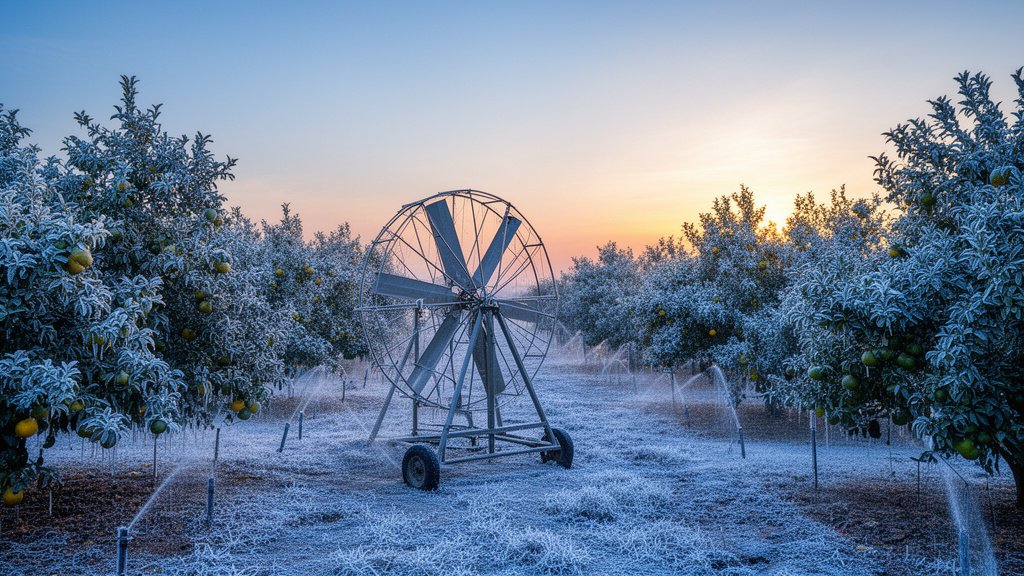
South Texas is a primary hub for citrus and winter vegetable production. The Rio Grande Valley, in particular, is highly sensitive to freezes. Farmers have been working under floodlights throughout the night to implement mitigation strategies, including the use of wind machines and micro-sprinklers designed to coat sensitive crops in a layer of ice, which acts as an insulator against the lower, damaging temperatures. The Texas Department of Agriculture is currently assessing the potential economic impact, as this cold snap arrives during a peak harvesting window for several seasonal crops.
The State of the Grid: ERCOT Monitoring
In the wake of previous historical winter weather events in Texas, the stability of the power grid is a primary concern for the public. The Electric Reliability Council of Texas (ERCOT) has issued updates indicating that while demand for electricity has increased due to heating requirements, the current system capacity is being managed effectively. ERCOT officials emphasize that the cold front does not present the same type of infrastructure-threatening conditions seen in deep-freeze events, but they remain in a heightened state of readiness. Residents are encouraged to monitor grid status updates and to conserve energy where possible, particularly during the early morning and evening peak demand windows.
Residential Preparedness
For homeowners, the primary concern is the integrity of domestic water systems. Because homes in South Texas are frequently built with exterior plumbing or less insulation than northern counterparts, the risk of frozen and burst pipes is elevated. Plumbers across the region have reported a surge in calls for preventative maintenance. The standard advisory remains: allow faucets to drip, keep cabinet doors open to allow ambient heat to reach pipes, and ensure that exposed outdoor spigots are properly covered or insulated.
FAQ: People Also Ask
Q: Is this cold snap related to climate change?
A: While individual weather events cannot be attributed solely to climate change, researchers often analyze the frequency of such “blocking patterns”—where arctic air gets pushed south—to determine if they are becoming more common due to warming in the Arctic Circle weakening the jet stream.
Q: How long is this freeze expected to last in South Texas?
A: Meteorological models suggest that while the initial, most severe blast will begin to moderate by the weekend, night-time temperatures will likely remain near or below freezing for another 48 to 72 hours before a gradual return to seasonal norms.
Q: Are there any travel advisories for the region?
A: While there is minimal moisture with this front (reducing the risk of ice on roads), motorists should exercise caution in rural areas where bridge decks or elevated roadways can cool much faster than the ground, creating localized patches of black ice.
Q: Why does 2013 get cited as the specific comparison year?
A: 2013 represents the most recent calendar year where a sustained, region-wide freeze occurred specifically on the Thanksgiving holiday, making it the standard point of comparison for both meteorologists and public memory regarding holiday weather disruption in South Texas.