

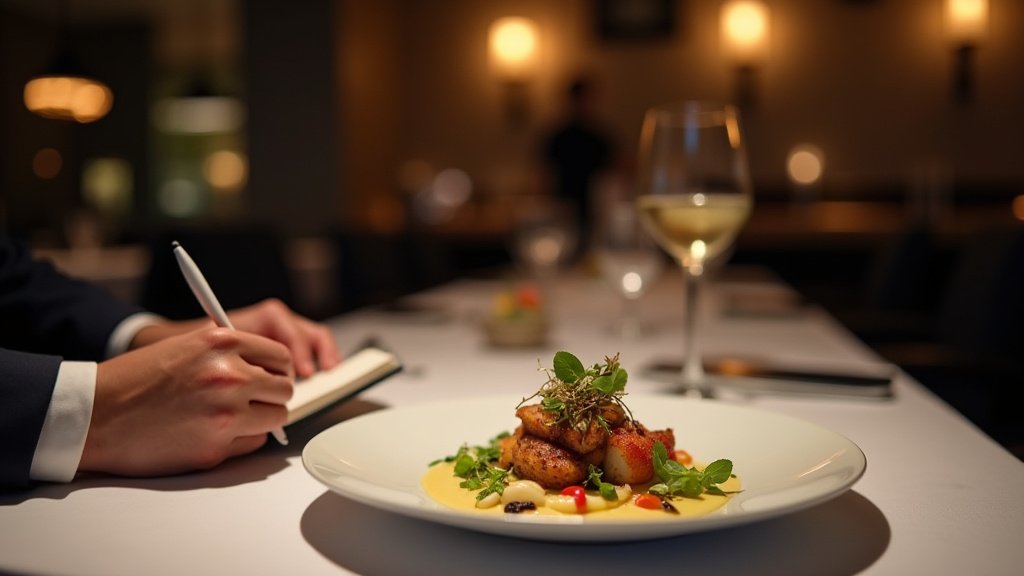
The three-year, $2.7 million contract that brought the prestigious Michelin Guide to Texas has officially ended, leaving the future of the Lone Star State’s inclusion in the global culinary index in a state of flux. While the arrival of the guide was heralded as a watershed moment for Texas tourism and gastronomy, the expiration of this agreement has triggered a complex debate regarding the intersection of taxpayer-funded state tourism initiatives and the business model of international restaurant ratings. With new negotiations currently underway, stakeholders are now weighing the tangible economic benefits of the ‘Michelin effect’ against the escalating costs of maintaining these high-profile destination partnerships.
Key Highlights
- Contract Conclusion: The initial three-year, $2.7 million agreement between the state of Texas and Michelin has reached its term end.
- Negotiation Status: Discussions are currently active regarding the renewal of the partnership, with no finalized commitment for the subsequent fiscal years.
- Funding Controversy: The guide’s presence in Texas was funded by Travel Texas (part of the Office of the Governor’s Economic Development and Tourism division), sparking discourse on the efficacy of state-sponsored tourism branding.
- Scope of Impact: The Michelin Guide Texas, which covers Austin, Dallas, Fort Worth, Houston, and San Antonio, remains the subject of intense focus for local restaurateurs and tourism boards alike.
The Anatomy of the $2.7 Million Investment
The arrival of the Michelin Guide in Texas was not a serendipitous occurrence, but rather a deliberate, paid marketing strategy. Under the terms of the agreement, the state of Texas, via the Travel Texas initiative, allocated approximately $2.7 million over three years to secure the presence of the world’s most recognizable culinary guide. This practice is increasingly common; Michelin has entered similar destination-marketing agreements with various states and countries worldwide, arguing that the guide drives culinary tourism, elevates local chefs, and solidifies a destination’s reputation on the global map.
However, the conclusion of this contract brings the financial mechanics of this partnership to the forefront. Critics and fiscal watchdogs often question whether tax dollars should be utilized to effectively subsidize a private, for-profit entity like Michelin. Proponents, meanwhile, point to the prestige associated with the Guide. They argue that the ‘Michelin star’ serves as a global beacon that attracts high-spending food tourists, thereby generating a return on investment (ROI) that far exceeds the initial $2.7 million expenditure. As the contract expires, the state is forced to perform a rigorous cost-benefit analysis before committing to a potential renewal.
Economic Ripples and Culinary Prestige
The impact of the guide on the Texas culinary scene cannot be overstated. Since the inspectors began their rounds, there has been a palpable elevation in the quality of service, presentation, and ambition within the restaurant sectors of Houston, Dallas, Austin, San Antonio, and Fort Worth. The guide has provided a standardized language of excellence, pushing established chefs to refine their offerings and encouraging emerging talent to aim for international recognition.
Beyond the kitchen, the economic data regarding culinary tourism is compelling. Travelers who prioritize ‘gastronomic experiences’ typically demonstrate longer stays and higher daily expenditures compared to the average tourist. If Texas were to lose the guide, the primary fear is not just the loss of the physical book or the digital platform, but the loss of momentum. Without the Michelin banner, many worry that the state’s burgeoning reputation as a global food destination could plateau, hindering the aggressive tourism growth targets set by the Office of the Governor.
The Crossroads of State Funding and Fine Dining
As negotiators sit down to discuss the next phase, the landscape has shifted. The novelty of the initial announcement has faded, replaced by a demand for metrics. Did the $2.7 million spend result in a measurable uptick in international hotel bookings? Did it change the demographics of visitors to the major metros? These are the questions that will define whether a new contract is signed.
Furthermore, the Michelin organization itself is in a position of leverage. Because they maintain a stringent, independent inspection process, they are protective of their brand integrity. They cannot be ‘bought’ to hand out stars, but they can be incentivized to expand their geographic reach. The current impasse reflects the delicate balance between Michelin’s need for guaranteed funding to cover the high operational costs of dispatching inspectors to expansive, multi-city territories like Texas, and the state’s responsibility to ensure that such an expenditure remains defensible to taxpayers.
Looking Toward the Next Chapter
The outcome of these negotiations will serve as a bellwether for how U.S. states interact with luxury rating systems. If Texas chooses to walk away, it would signal a major shift, potentially leading to a ‘Michelin-less’ period for the state’s dining scene. If they renew, it will likely involve a restructured deal, perhaps with more localized sponsorship or a different scope of coverage. For now, Texas chefs remain in a period of anticipation, fully aware that the presence of the Guide is currently as much a product of bureaucratic negotiation as it is a testament to their culinary prowess.
FAQ: People Also Ask
Q: Is the Michelin Guide leaving Texas immediately?
A: No. The guide does not vanish the moment a contract ends. However, the lack of a renewed contract creates uncertainty for future editions and annual updates, which rely on consistent funding and logistical support.
Q: Why does the state pay Michelin to be there?
A: Michelin operates as a private company. To cover the high costs of sending professional, anonymous inspectors to evaluate restaurants across a vast region, they enter into destination-marketing partnerships with tourism boards to offset these operational expenses.
Q: How does this affect Texas chefs?
A: For many chefs, the presence of the Michelin Guide acts as a career catalyst. It provides global visibility and a standardized benchmark of excellence. Losing the guide could potentially dampen the allure for international food tourists visiting Texas.
Q: What are the main cities covered by the current guide?
A: The guide currently evaluates restaurants across the major Texas culinary hubs, including Austin, Dallas, Fort Worth, Houston, and San Antonio.