
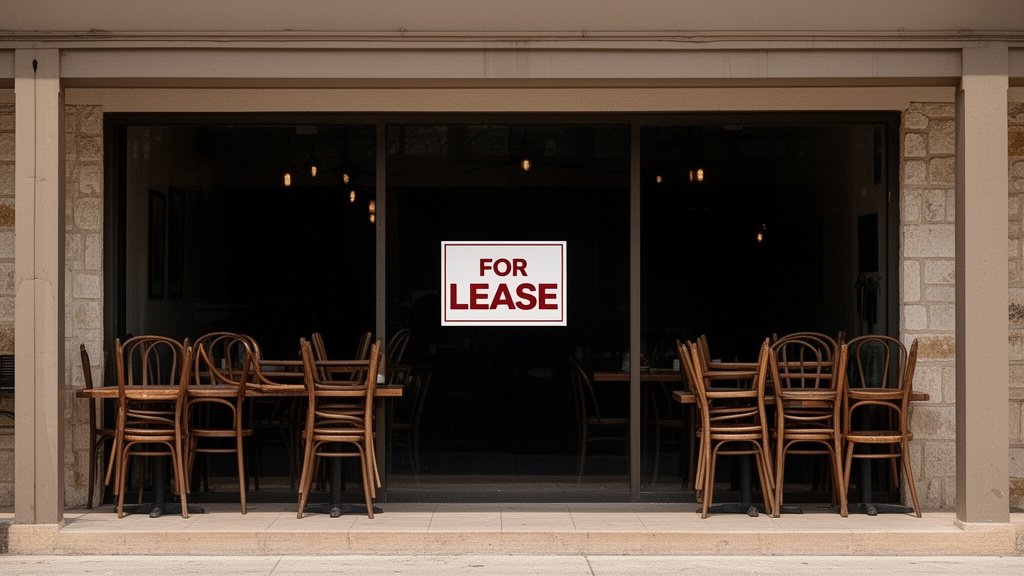
San Antonio’s vibrant culinary scene, long celebrated for its cultural diversity and approachable price points, is currently navigating a period of unprecedented turbulence. A confluence of persistent inflationary pressures, surging labor costs, and unforgiving commercial real estate renewals has led to a noticeable uptick in restaurant closures across the city. As operators grapple with the ‘new normal’ of post-pandemic economics, the margin for error has vanished, forcing even established local favorites to shutter their doors.
The Perfect Storm of Operational Costs
The primary driver behind the current wave of San Antonio restaurant closures is a sustained increase in prime costs—the combined expense of the Cost of Goods Sold (COGS) and labor. According to industry data, wholesale food prices, while stabilizing from their peak in 2022, remain significantly higher than historical averages. Local restaurateurs are finding that they can no longer absorb these costs without passing them on to the consumer, a move that risks alienating a price-sensitive dining demographic.
Furthermore, the labor market remains tight. The competition for skilled kitchen and front-of-house staff has forced wages to rise significantly. While this is a positive development for workers, for small business owners operating on thin 3% to 5% net profit margins, the impact has been catastrophic. When utility bills, insurance premiums, and vendor costs rise simultaneously, many operators are finding that their current revenue models are no longer sustainable.
The Commercial Real Estate Squeeze
Beyond the daily operational expenses, San Antonio’s commercial real estate market is exerting heavy pressure on legacy establishments. As lease renewals come due, many restaurateurs are being confronted with rent increases that do not align with their post-pandemic sales volumes. The dynamic in neighborhoods like the Pearl District and downtown San Antonio has shifted; while these areas command high visibility, the accompanying high-cost rent structure makes survival difficult for independent concepts that lack the capital reserves of major chains.
This phenomenon of ‘gentrification-driven displacement’ is not unique to San Antonio, but it is particularly acute here. When a neighborhood becomes desirable, property values spike, and landlords are often incentivized to seek national franchises that can guarantee rent payments over the long term. This structural change is systematically pruning the independent culinary landscape, leaving a vacuum where unique, locally owned spots once thrived.
Evolving Consumer Behaviors
Consumer sentiment has also shifted, complicating the recovery efforts. With inflation affecting discretionary income, San Antonio residents are becoming more selective about their dining habits. There has been a noticeable trade-down effect: diners are skipping appetizers, opting for lower-priced menu items, or reducing the frequency of their visits to full-service restaurants. This reduction in ‘share of stomach’ directly impacts the bottom line of establishments that rely on high-volume dining to cover their substantial fixed overheads.
Additionally, the rise of the ‘convenience economy’—characterized by the heavy usage of third-party delivery apps—has further eroded profits. While these platforms provide access to customers, the commission fees often range from 15% to 30% per order, which can completely negate the profit margin for an already struggling restaurant. Owners are faced with a catch-22: utilize the platforms to maintain revenue or avoid them to protect margins, risking a drop in total orders.
Innovation as a Survival Mechanism
Despite the grim outlook, the San Antonio hospitality community is not standing still. Many operators are pivoting toward lean operations, simplifying menus to reduce waste, and embracing ‘ghost kitchen’ models to minimize overhead. There is also a concerted effort among local restaurateurs to leverage the Texas Restaurant Association’s resources to lobby for tax relief and grant programs specifically targeting independent food and beverage entities.
As the city moves through this challenging economic cycle, the definition of a successful restaurant is changing. The focus is shifting from rapid expansion to operational efficiency. Those who survive the current cull will likely be the ones who manage to blend the city’s unique cultural identity with the rigorous financial discipline required in today’s high-cost environment.