

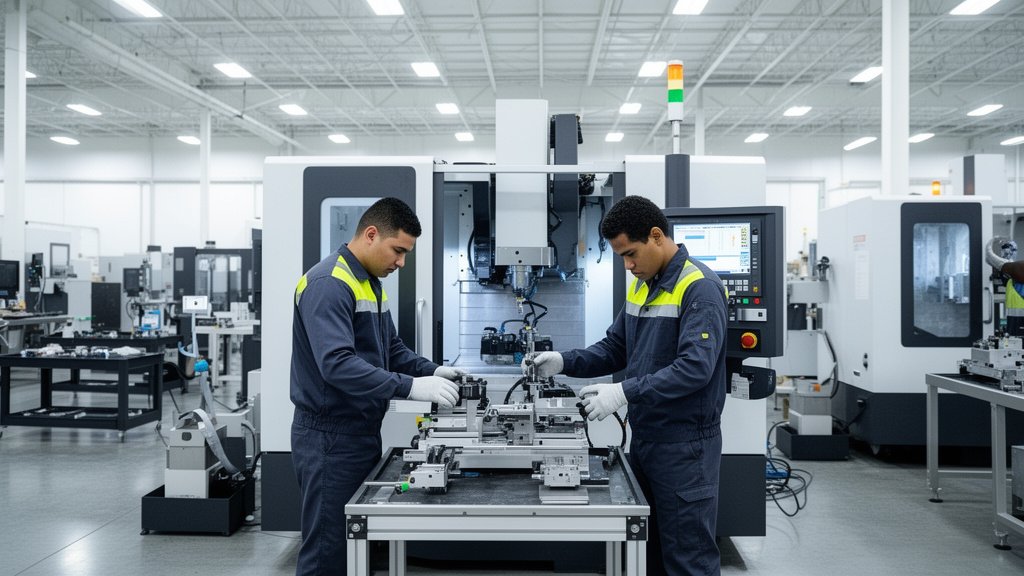
The Rio Grande Valley job market is undergoing a structural transformation, with recent labor data signaling a robust, sustained uptick in employment opportunities across the region. Historically characterized by seasonal agricultural work and retail, the four-county area (Cameron, Hidalgo, Starr, and Willacy) is rapidly pivoting toward a diversified economy. This shift, long advocated for by regional organizations like the AIM Media Texas Editorial Board, is now materializing into tangible results for workers, who are finding higher-wage roles in advanced manufacturing, aerospace, and logistics.
The Statistical Landscape of Growth
Recent economic indicators show that the Rio Grande Valley—particularly the McAllen-Edinburg-Mission and Brownsville-Harlingen metropolitan statistical areas (MSAs)—has seen a dramatic narrowing of the unemployment gap compared to historical norms. While the region previously struggled with double-digit unemployment figures, recent quarters have seen rates stabilize in ranges that reflect a healthier, more competitive labor market. This isn’t merely a post-pandemic recovery; it is the result of structural capital investment. According to regional economic development councils, the growth is heavily concentrated in the industrial sector, spurred by a wave of ‘nearshoring’—a practice where companies move manufacturing facilities closer to their home markets or primary consumer bases. For the RGV, this means an influx of companies relocating operations from overseas to the US-Mexico border to leverage the strategic logistics network.
The Nearshoring and Aerospace Catalyst
One of the most significant drivers of this employment boom is the manufacturing sector’s expansion. As global supply chains remain volatile, multinational corporations are increasingly viewing the Rio Grande Valley as a stable, efficient logistics hub. This is complemented by the high-profile presence of the aerospace industry, centered around the SpaceX Starbase facility in Cameron County. While SpaceX is the most visible entity, it has triggered a ‘halo effect,’ creating a demand for skilled labor in precision manufacturing, specialized welding, and engineering support services. This influx of technical investment has forced local wages upward as companies compete for a more specialized workforce, marking a departure from the minimum-wage-dependent retail sector that defined the region for decades.
The New Economic Frontier: Sustainable Workforce Development
For the Rio Grande Valley to maintain this trajectory, the focus must shift from merely attracting industry to sustaining a pipeline of skilled labor. The region’s community college systems, including South Texas College and Texas Southmost College, are currently pivotal in this strategy. By aligning vocational training directly with the needs of the burgeoning manufacturing and aerospace sectors, these institutions are ensuring that local workers are the primary beneficiaries of this economic expansion, rather than relying on an imported workforce.
Infrastructure and Long-Term Stability
However, this growth is not without its challenges. The rapid industrialization requires concurrent investment in infrastructure. Transportation, utility capacity, and housing stock must scale to meet the needs of a growing population. Municipalities across Hidalgo and Cameron counties are now under pressure to optimize zoning and public works to support this industrial corridor. The long-term stability of the RGV job market depends on the region’s ability to balance rapid economic growth with the necessary civic infrastructure to prevent stagnation. Experts suggest that the current trajectory is sustainable, provided that regional entities continue to prioritize cross-border trade fluidity and educational alignment.
A Shift in Regional Identity
Perhaps the most profound change is the shift in regional identity. The Rio Grande Valley is shedding its reputation as merely a gateway for trade to become a hub of production and innovation. For the local worker, this means more than just a higher paycheck; it represents career stability and the potential for upward mobility within the region. As the Editorial Board noted, this is a moment for celebration, but also a moment for strategic planning to ensure that the current ‘brightening’ of the landscape becomes a permanent feature of the regional economy.
FAQ: People Also Ask
Which industries are currently leading job growth in the RGV?
The most significant growth is occurring in advanced manufacturing (nearshoring), aerospace, logistics and transportation, and healthcare services. These sectors are providing higher wages and more stable long-term career paths compared to traditional retail or agricultural roles.
How has the presence of SpaceX impacted local employment?
SpaceX has acted as an economic catalyst in Cameron County, driving demand for specialized labor in engineering, welding, and technical manufacturing. It has also boosted local infrastructure investment and ancillary service industries, creating a ‘halo effect’ that attracts other technology-focused businesses to the area.
Is the current economic surge expected to last?
Economic analysts suggest the surge is sustainable because it is rooted in ‘nearshoring’—a global trend where companies move production closer to the US market. As long as US-Mexico trade remains a priority, the strategic geographic position of the RGV will continue to provide a competitive advantage.
How can local workers best take advantage of these new opportunities?
Local educational institutions, such as South Texas College and Texas Southmost College, are increasingly partnering with industry leaders to offer specialized certification programs. Prospective job seekers should focus on technical skills, vocational training, and dual-language capabilities to remain competitive in the evolving market.