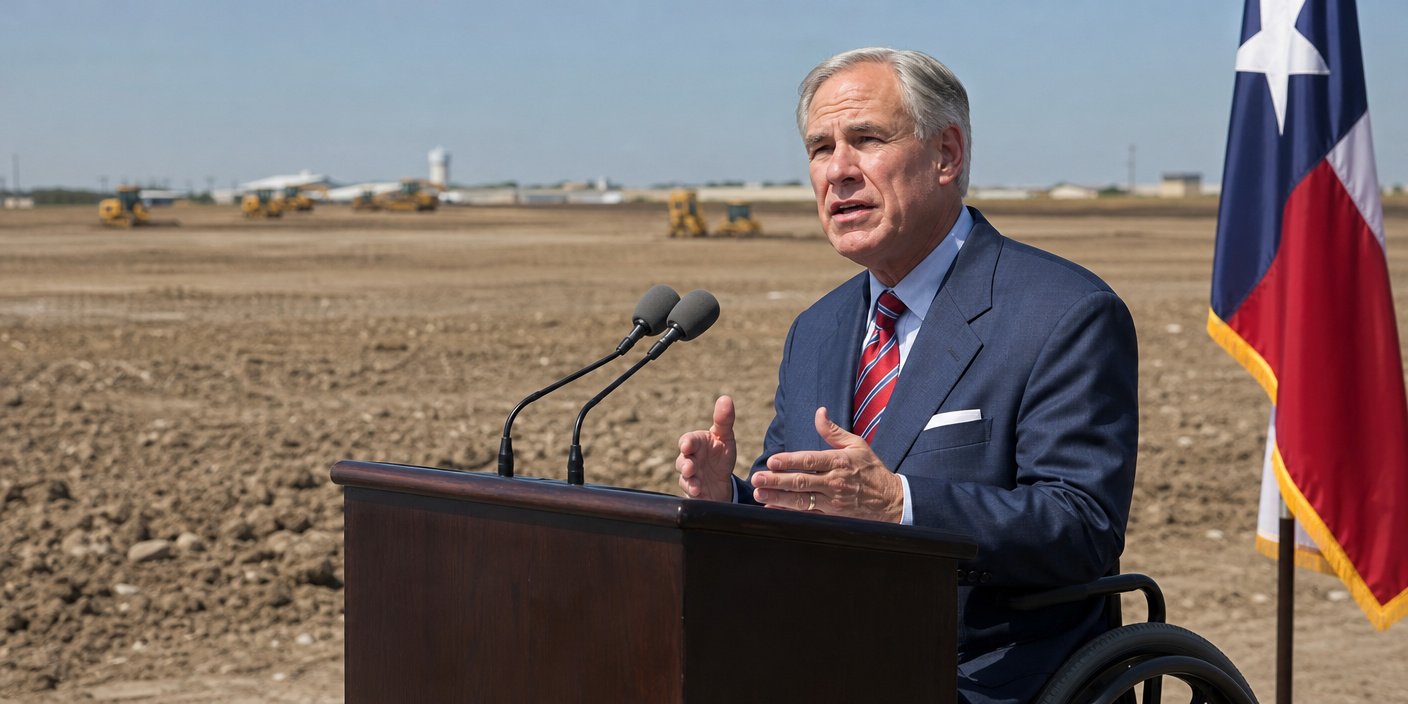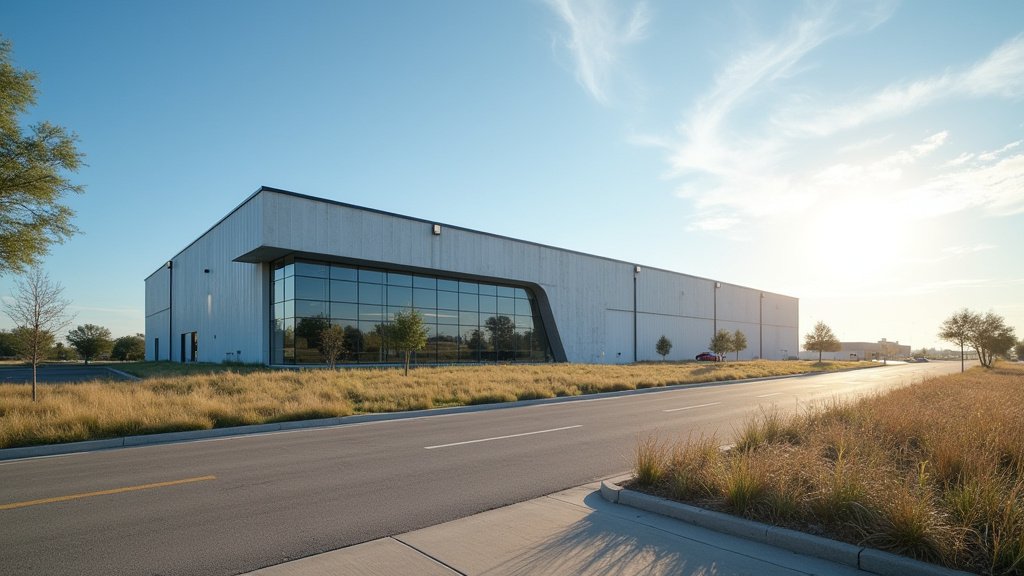

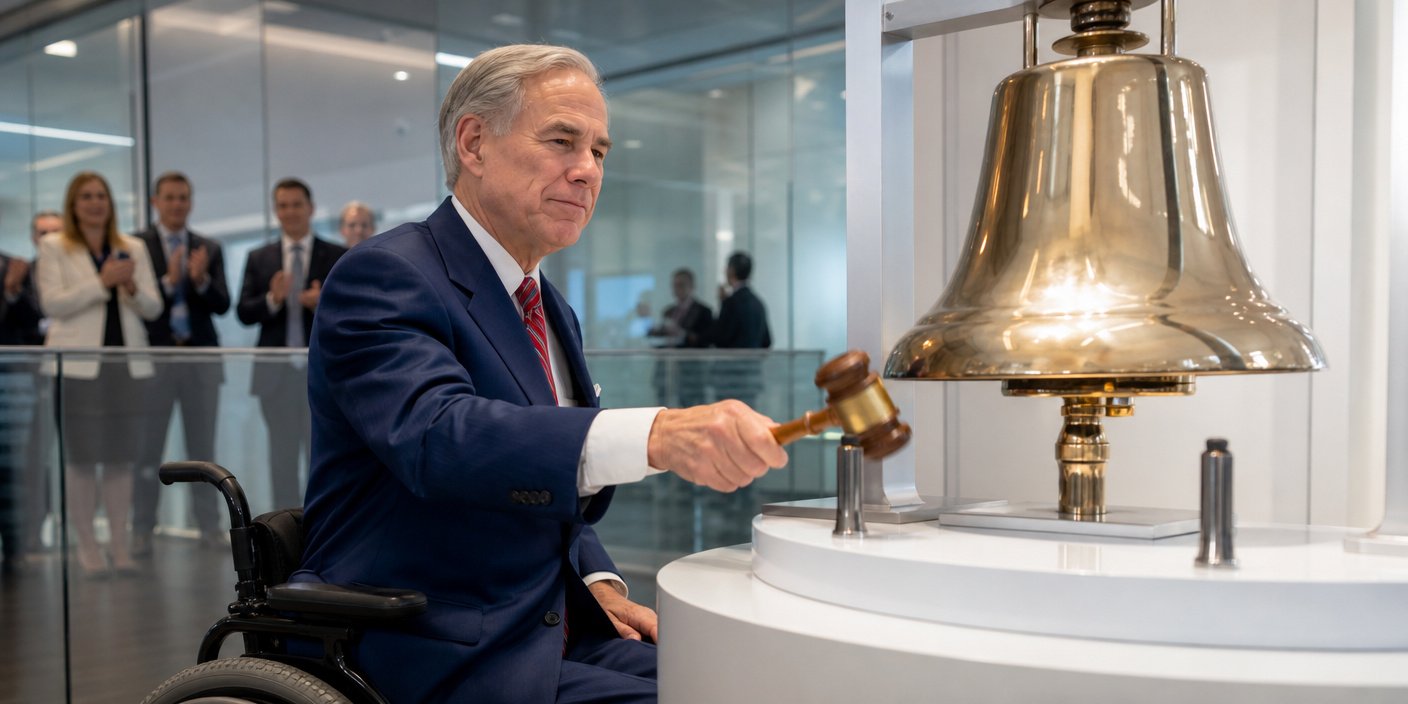
Governor Greg Abbott officially rang the closing bell at the new New York Stock Exchange (NYSE) headquarters in Dallas, a symbolic and strategic milestone that underscores Texas’s accelerating dominance in the financial sector. The opening of the facility, located in the Dallas-Fort Worth metropolitan area, represents more than just a satellite office; it is a declaration of the state’s burgeoning influence over global markets, technology, and corporate governance. As the world’s largest stock exchange by market capitalization, the NYSE’s decision to establish a significant operational footprint in Texas highlights a broader trend of corporate migration and economic diversification away from traditional coastal hubs.
The Strategic Shift: Why Dallas?
The decision to plant a flag in Dallas is not merely a geographic expansion; it is a response to the rapidly changing nature of global finance. For years, the Dallas-Fort Worth metroplex has been aggressively courting Fortune 500 companies, offering a business-friendly environment characterized by lower regulatory burdens, competitive tax structures, and a deep talent pool in both engineering and financial services. By establishing a hub in North Texas, the Intercontinental Exchange (ICE)—the parent company of the NYSE—is strategically positioning itself closer to the heart of this corporate migration.
This move mirrors the paths taken by industry giants such as Tesla, Oracle, and Hewlett Packard Enterprise, all of which have moved headquarters or major operations to the region. The presence of the NYSE in Dallas signals to investors and global market participants that the center of gravity in American industry is shifting. The state’s infrastructure, combined with a central time zone that allows for efficient oversight of both East and West Coast markets, provides a tactical advantage that traditional financial centers in New York and London are finding increasingly difficult to ignore.
The Technological Infrastructure of the New Hub
While much of the media attention remains focused on the symbolic “ringing of the bell,” the functional reality of the NYSE Texas headquarters is deeply rooted in modern financial technology. The new facility is designed to support the sophisticated data and network requirements that power global trading platforms. In an era where micro-seconds define the difference between profit and loss, having robust, decentralized infrastructure is paramount.
This Dallas hub serves as a critical node in the NYSE’s broader technological ecosystem. By diversifying its operational centers, the exchange is enhancing its resilience against regional disruptions—a primary concern for global financial institutions in an era of heightened cybersecurity threats and climate-related risks. The integration of high-speed fiber connectivity, local server clusters, and localized disaster recovery protocols ensures that the NYSE can maintain continuous uptime and market integrity. This is not just a branch office; it is a high-tech fortress designed to ensure that the engine of global capital remains running, regardless of events occurring in any single city.
Texas’s Financial Ascendance and Corporate Migration
The narrative surrounding the NYSE’s arrival in Dallas is inextricably linked to the “Texas Model” of economic growth. Governor Abbott has been a vocal proponent of deregulation and competitive taxation, policies that have directly contributed to the state’s massive influx of corporate headquarters over the last decade. With Texas now boasting the world’s eighth-largest economy if it were a sovereign nation, the arrival of the NYSE is a validation of this long-term economic strategy.
Analysts note that this migration is not just about cost-cutting; it is about accessing a superior workforce. The Dallas-Fort Worth area produces thousands of finance and computer science graduates annually from nearby top-tier universities. For the NYSE and its subsidiaries, tapping into this local talent pipeline is essential for developing the next generation of trading algorithms, blockchain-based clearing systems, and risk management tools. The synergy between local educational institutions and the financial sector creates a virtuous cycle of innovation that keeps Texas at the competitive vanguard.
What This Means for Global Markets
The expansion of the NYSE into Texas prompts a critical question: is this the beginning of a multi-polar financial system within the United States? While the NYSE remains deeply rooted in Wall Street, its physical presence in the South changes the geopolitical landscape of finance. It legitimizes Dallas as a premier financial capital, potentially triggering a secondary wave of investment firms, hedge funds, and private equity offices to relocate or expand into the region to be closer to the exchange’s new operational nexus.
For the global investor, this diversification offers greater stability. As geopolitical tensions rise, the stability of the American financial core becomes a primary concern for international sovereign wealth funds and institutional investors. By creating a footprint that spans the American interior, the NYSE is providing a level of physical and operational security that is increasingly appealing. As Texas continues to grow as an economic juggernaut, the NYSE Dallas headquarters will likely serve as the anchor for a new era of American financial expansion, one that bridges the traditional “Wall Street” identity with the high-growth, technology-driven future of the American heartland.
FAQ: People Also Ask
1. Why did the NYSE open an office in Dallas?
The NYSE opened its Texas headquarters to diversify its operational footprint, tap into the region’s rapidly growing talent pool, and respond to the massive influx of corporations moving their headquarters to North Texas, ensuring proximity to the companies it lists and the technology it utilizes.
2. Will the NYSE close its Wall Street office?
No. The New York Stock Exchange remains headquartered in New York City on Wall Street. The Dallas office is an expansion of its operational capabilities, not a replacement for its historic home.
3. What specific functions will the Texas office perform?
The Dallas headquarters is expected to house significant technological infrastructure, including data processing centers and network operations, designed to enhance the exchange’s resilience and support advanced trading and clearing technologies.
4. Is this part of a trend of companies leaving New York for Texas?
Yes. This move aligns with a broader, long-term trend of major American corporations, particularly in the tech and finance sectors, migrating to Texas to take advantage of lower operational costs, a business-friendly regulatory environment, and proximity to a booming economic corridor.