

San Antonio is at a critical juncture as city leaders and utility providers grapple with the rapid proliferation of data centers, an industry that promises economic development but places immense strain on local power and water resources. As San Antonio debates data center regulation amid rapid growth, the city council is weighing new zoning and environmental requirements to ensure that the massive energy and water demands of these facilities do not compromise the stability of the grid or municipal water supplies for existing residents and businesses. The push for tighter oversight comes as more tech giants eye the region for its relatively low operational costs and favorable climate, creating a tension between promoting high-tech industrial growth and maintaining essential infrastructure reliability.
- City officials are considering new permitting processes that require comprehensive impact studies for new data center projects.
- Discussions are centering on the long-term sustainability of water cooling systems, which require millions of gallons daily.
- CPS Energy, the city’s utility provider, is evaluating grid capacity to accommodate massive electricity loads without triggering rate hikes for the public.
- Advocacy groups are calling for transparency in site selection and environmental impact disclosures before projects are approved.
- Local leaders aim to create a balanced framework that invites innovation while protecting the long-term interests of the San Antonio community.
The Deep Dive
The Balancing Act: Economic Engine vs. Resource Reality
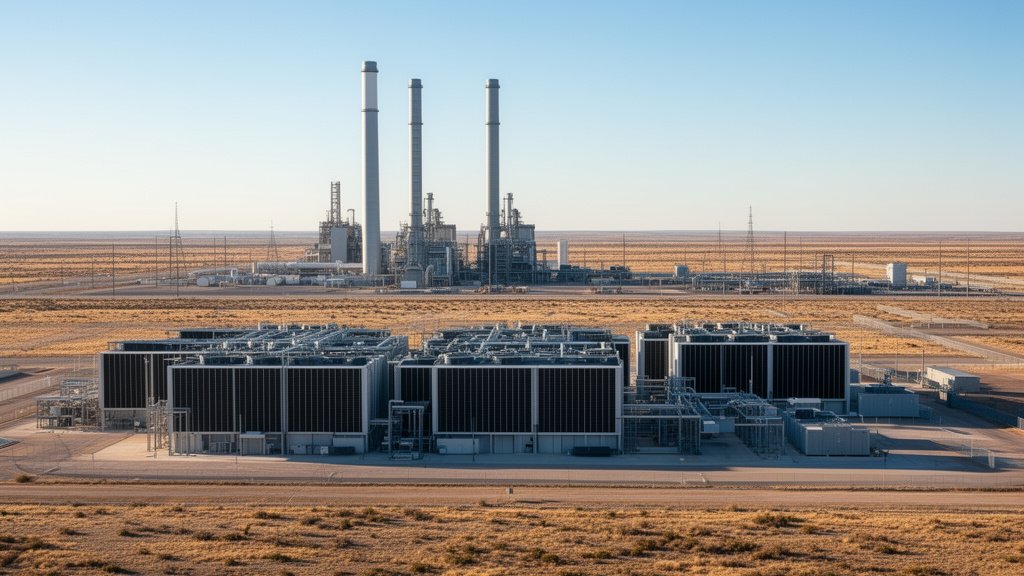
Data centers have long been courted by regional economic development corporations as high-value, low-employment-intensity industries. In San Antonio, this strategy has been incredibly successful, drawing major corporations looking to expand their digital footprint. However, the sheer scale of modern hyperscale data centers—often spanning hundreds of thousands of square feet—has shifted the conversation from purely economic benefit to resource management. The energy requirements for a single campus can match that of a medium-sized town, while water usage, particularly for cooling towers in Texas’s hot, dry climate, creates a significant burden on municipal water systems.
This realization has prompted a city-wide conversation regarding how to manage this growth. The city council is currently evaluating potential ordinances that would mandate energy efficiency standards and encourage the use of dry-cooling technologies. While proponents of growth argue that too much regulation will push tech companies to neighboring municipalities, city planners emphasize that infrastructure sustainability must be a prerequisite for any further industrial expansion.
Infrastructure and Grid Stability
At the heart of the debate is CPS Energy, San Antonio’s community-owned utility. Unlike private utilities, CPS Energy must answer to the public, creating an intense political pressure to maintain rate stability. Adding large-scale data centers to the grid requires massive infrastructure upgrades, including new substations and transmission lines. The question of who bears the cost of these upgrades—the companies or the ratepayers—is a central issue in current negotiations.
Furthermore, the intermittency of renewable energy sources in Texas complicates the grid integration process for facilities requiring 24/7 power. Officials are now exploring how to incentivize data centers to integrate battery storage or on-site renewable generation to reduce their reliance on the municipal grid during peak demand hours. This shift signifies a maturation in the city’s approach to industrial development, moving toward a model where infrastructure capacity dictates the pace of economic growth rather than the other way around.
Environmental Impact and Transparency
Transparency has become a rallying cry for neighborhood organizations and environmental advocates who feel excluded from the initial planning phases of these massive facilities. Concerns about noise pollution from high-capacity HVAC systems, visual disruption, and the sheer volume of water consumed have led to requests for more stringent environmental reviews.
As the debate continues, the city is likely to move toward a more centralized permitting process. This would allow for a holistic assessment of not just the individual impact of a single data center, but the cumulative impact of several facilities clustered in specific economic zones. The outcome of these discussions will set a precedent for how San Antonio balances its technological ambitions with the tangible, finite resources that support its population. For now, the city remains in a holding pattern, carefully auditing its capacity before opening the door to the next wave of data center investment.
FAQ: People Also Ask
Why are data centers putting pressure on San Antonio’s resources?
Data centers require immense amounts of electricity to run servers and vast quantities of water for cooling systems to prevent hardware overheating, which strains the city’s power grid and municipal water supply.
How is CPS Energy managing the increased power demand?
CPS Energy is conducting capacity studies and evaluating the feasibility of new transmission infrastructure while considering policies that would require data centers to help shoulder the cost of grid expansion.
Are there specific regulations currently being drafted?
The city is actively discussing new ordinances that may include mandatory water-efficiency standards, requirements for environmental impact reports, and zoning restrictions to ensure data centers are placed in areas where infrastructure can handle the load.