
First Nations Urge Border Caution Amidst ICE Detentions and Jay Treaty Concerns
First Nations leaders are sounding alarm bells. They urge caution for citizens crossing the US border. Recent events have heightened concerns. U.S. Immigration and Customs Enforcement (ICE) detentions are a major worry. First Nations across Canada issued travel warnings. This is due to increased immigration enforcement. Some communities advise against non-essential travel.
Alarming Reports from the US Border
The Assembly of First Nations (AFN) released a statement. This happened on January 23, 2026. They reported troubling incidents. Some First Nations citizens faced more questioning. Detentions also occurred. These encounters happened while crossing into the United States. The AFN expressed deep concern. They condemned these actions strongly.
National Chief Cindy Woodhouse Nepinak confirmed events. At least one First Nations person had a negative experience. This individual later returned to Canada. The AFN considers these actions a violation. They are a breach of inherent rights. The Jay Treaty is also at stake.
The Jay Treaty and Indigenous Rights
The Jay Treaty dates back to 1794. It was an agreement between the U.S. and Great Britain. The treaty guarantees free cross-border mobility. It applies to Indigenous peoples. This includes the right to travel freely. They can also live and work in both countries. The U.S. statute recognizes this right. It was reaffirmed in 1952.
However, recent events suggest a breach. ICE actions appear to disregard these rights. This raises alarms for Indigenous travellers. National Chief Woodhouse Nepinak called for U.S. adherence. She urged the administration to uphold these rights. She wants an end to harassment and hindrance.
Documentation Challenges at the Border
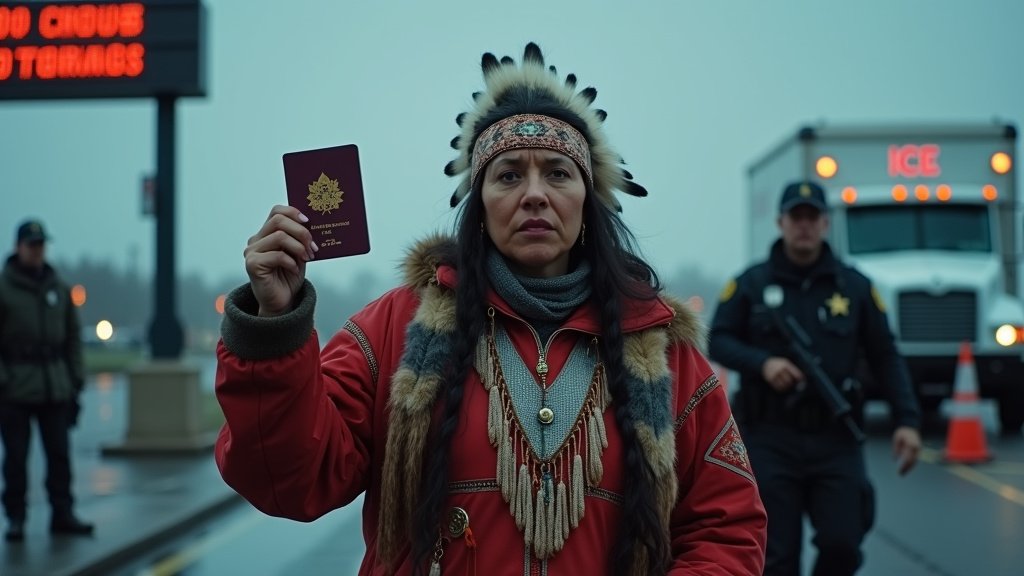
Reports indicate issues with identification. Canadian Status Cards have reportedly not been respected. U.S. officials sometimes fail to recognize them. This can lead to unnecessary delays or detentions. Some First Nations people have faced demands for proof of blood quantum. This requirement can be difficult to meet.
The AFN now recommends more documentation. Travelers should carry a Canadian passport. A long-form birth certificate is also advised. Proof of blood quantum is sometimes necessary. This must come from the First Nation’s membership department. Tribal IDs may not be accepted. If this happens, officials suggest asking for a supervisor.
Broader Implications and Community Actions
Several First Nations have issued advisories. The Blood Tribe warned members to use caution. They specifically cited ICE detentions. Mississauga First Nation also issued a warning. They noted the detention of Indigenous people. Other communities like Kashechewan, Six Nations, Garden River, and Saint Regis Mohawk have similar advice.
Indigenous Services Canada is aware of these issues. They know about confiscated or damaged status cards. The department can issue emergency replacements. They are working with Global Affairs Canada. They also consult the Canada Border Services Agency. These efforts aim to support affected individuals.
Current News and Future Steps
The situation highlights ongoing tensions. It also points to historical context. ICE detentions have been reported in other U.S. tribal communities. These include the Oglala Sioux, Navajo Nation, and Salt River Pima-Maricopa. Leaders express frustration with enforcement actions. They believe these actions can undermine relationships.
The AFN plans further discussions. They will meet with the National Congress of American Indians. This meeting will address border mobility concerns. The goal is to ensure rights are upheld. These events are trending news. They underscore the importance of clear documentation for border crossings.