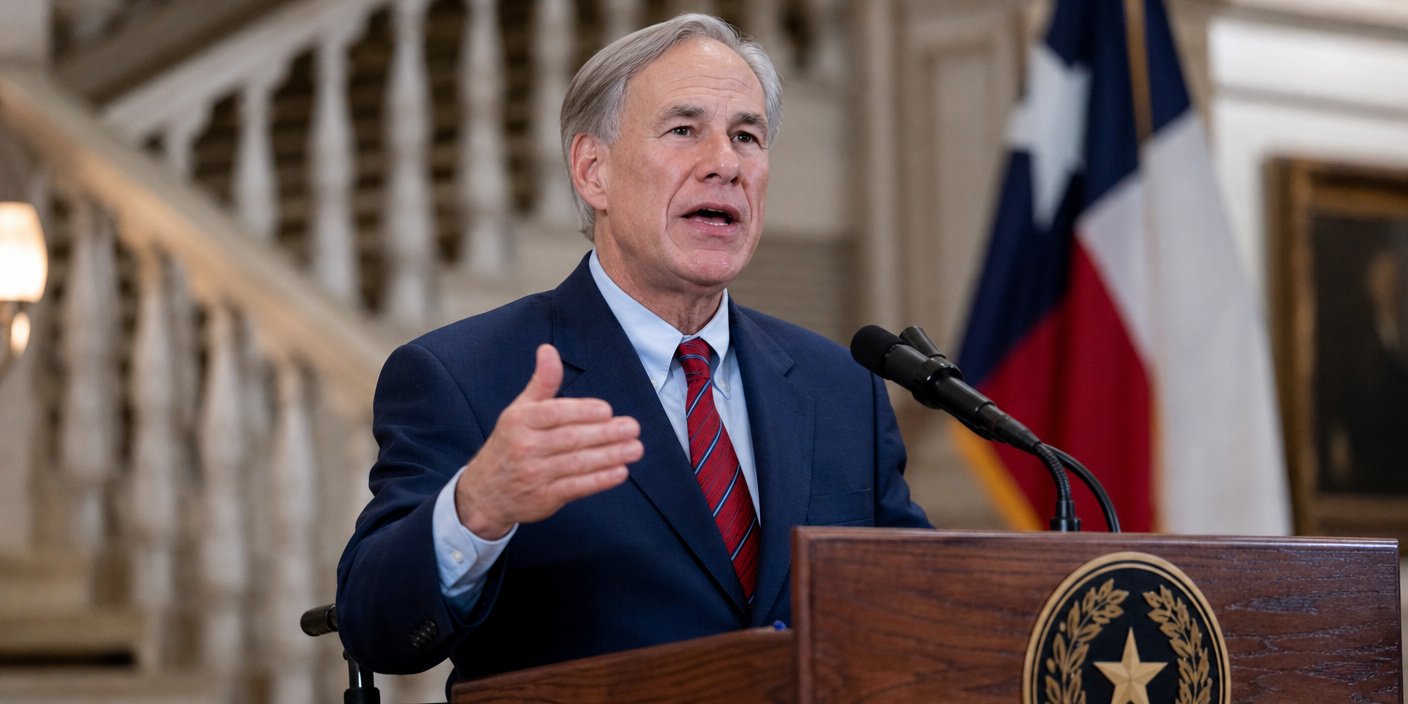

Texas AG Ken Paxton Declares Over 100 DEI Policies Unconstitutional
Top Texas News erupts. Texas Attorney General Ken Paxton made a major declaration concerning Texas DEI Policies. He targeted over 100 Diversity, Equity, and Inclusion (DEI) policies, deeming them unconstitutional. This significant legal opinion was issued on Martin Luther King Jr. Day. It signals a sweeping change for Texas institutions, impacting current Texas DEI Policies.
Challenging Texas DEI Policies and Affirmative Action
Paxton criticized affirmative action, stating DEI policies are unlawful. These programs consider race and sex, affecting employment and hiring, and resource allocation. Such practices violate the U.S. Constitution’s Equal Protection Clause and the Texas Constitution’s Equal Rights Amendment. Paxton believes these actions defy American principles of equal opportunity and nondiscrimination. He asserts that eliminating racial discrimination means eliminating all of it, aligning with a 2023 Supreme Court ruling against race-based affirmative action, particularly in higher education, and this Texas DEI ruling adds to the ongoing debate.
Legal Rationale Behind Texas DEI Policies Opinion
The Attorney General’s opinion is extensive, spanning 74 pages. It argues that race and sex preferences cannot survive strict scrutiny, a legal standard that deems policies using these factors inherently suspect and discriminatory. Paxton called these practices “woke, race-based favoritism,” believing they deviate from merit-based systems where people should be judged on merit, character, and qualifications, not inherent characteristics. This legal rationale is central to understanding the challenge to Texas DEI Policies.
Scope of the Texas DEI Ruling on State Agencies
This opinion targets decades of DEI frameworks embedded across Texas government, including state agencies and local governments. Public schools are also affected. The ruling invalidates numerous state laws, with over 100 “woke state laws” impacted. Historically Underutilized Business (HUB) programs are a major focus, which Paxton calls a “pervasive, discriminatory regime.” Disadvantaged Business Enterprise (DBE) programs are also cited, as these programs often consider race and sex, influencing eligibility for government benefits. Paxton argues they create de facto quotas and prioritize grants based on race and sex, representing a failure in stewardship of taxpayer dollars, and directly challenging state agencies DEI.
Implications for Businesses and DEI Policies Texas
Private businesses are also on notice. Paxton warns of significant legal liability for companies engaging in DEI practices, which could lead to lawsuits under state and federal laws, including Title VII and the Texas Commission on Human Rights Act, as well as other federal civil rights laws. Paxton urges private employers to abolish DEI programs and restore merit-based systems, highlighting the broad impact of the Texas DEI ruling on business DEI impact.
Reversing Past Guidance on Texas DEI Policies
Paxton’s opinion explicitly rebukes past guidance, specifically targeting former Attorney General John Cornyn. Cornyn issued an opinion in 1999 declining to address DEI in higher education and withdrawing previous guidance. Paxton states Cornyn’s actions allowed DEI to flourish unchecked, calling Cornyn’s previous stance “flawed” and asserting his new opinion “overrules” it. Cornyn has since called Paxton’s opinion “bogus” and suggested Paxton is abusing his office. Legal experts also question the opinion’s binding authority, as an AG opinion interprets law and is not a statute or court ruling, though it guides state agencies.
Fulfilling MLK’s Vision? A Debate on Texas DEI Policies
Paxton framed his action as fulfilling a vision, citing Martin Luther King Jr.’s dream of a nation judging people by character, not skin color. He calls the opinion a return to equal opportunity and rejects “woke, race-based favoritism.” This timing on MLK Day is deliberate, drawing a direct connection to civil rights ideals. However, critics disagree with this interpretation, with some seeing it as a political move amid a heated U.S. Senate primary race where Paxton is challenging incumbent Senator John Cornyn.
Exemptions and Future Actions for Texas DEI Policies
Programs for veterans are unaffected, as they are based on service, not inherent traits. Paxton’s office will investigate entities, including school districts and agencies, and will hold accountable those using DEI for discrimination. The goal is to restore merit-based decision-making. This is a trending news topic in Texas. The future impact of the Texas DEI Policies remains to be seen, and legal challenges are possible. Businesses must now assess their DEI practices, and this news affects the entire state, including the Ken Paxton unconstitutional claims.
Conclusion on Texas DEI Policies
Texas Attorney General Ken Paxton has issued a powerful opinion declaring over 100 DEI policies unconstitutional. This action challenges long-standing programs, citing constitutional protections. The ruling impacts state government and also warns private businesses. The debate over Texas DEI Policies intensifies, with this news being a major development signaling a shift in state policy. The focus now returns to merit and aims to eliminate race and sex-based preferences. This opinion sets a new legal standard for Texas DEI Policies, reshaping how diversity is approached as the state navigates these changes, with Texas at the forefront of this discussion and considering merit-based hiring Texas as the standard.