
Texas News: AG Launches Tip Line for Transgender Bathroom Law Enforcement
Texas is making headlines again with its controversial Transgender Bathroom Law. Attorney General Ken Paxton has launched a new initiative, a special online tip line, to encourage citizens to report suspected violations of this Transgender Bathroom Law. This move has sparked significant debate and highlights ongoing tensions over LGBTQ+ rights in Texas, directly impacting the enforcement of the Transgender Bathroom Law.
Understanding the Texas Women’s Privacy Act and the Transgender Bathroom Law
This new law is officially called Senate Bill 8, and it is also known as the Texas Women’s Privacy Act. It officially took effect on December 4, 2025, targeting restroom access in public facilities. The Transgender Bathroom Law applies to government buildings, K-12 schools, universities, and correctional facilities. This Transgender Bathroom Law restricts transgender people’s access, requiring them to use facilities matching their sex assigned at birth based on their original birth certificate. Proponents claim the law protects women and girls and safeguards privacy. This Transgender Bathroom Law is the result of years of effort, with Republicans in Texas pushing for it for nearly a decade after several failed attempts. This new legislation is considered severe, carrying significant penalties for institutions found in violation of the Transgender Bathroom Law.
AG Paxton’s New Enforcement Tool for the Transgender Bathroom Law
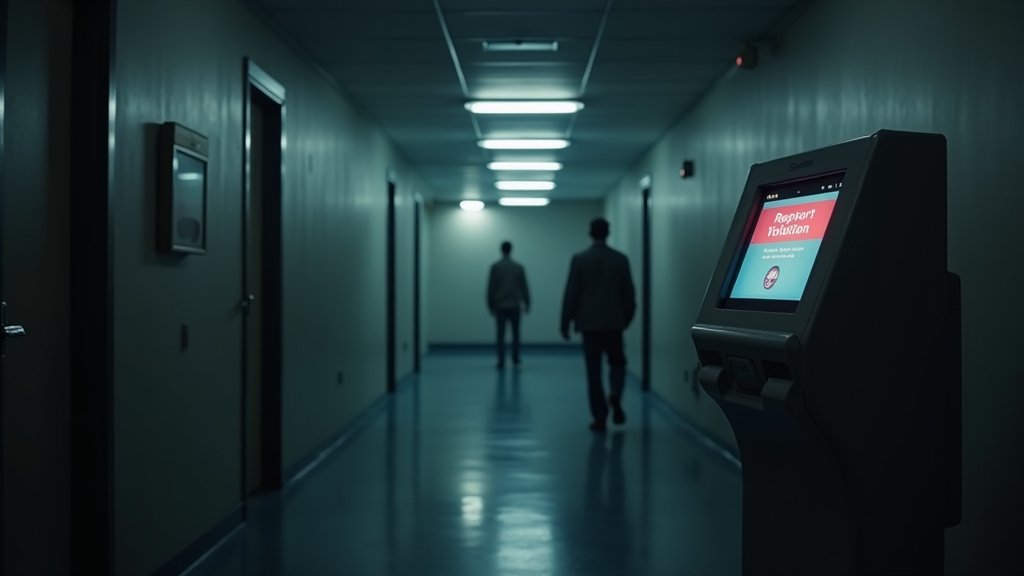
Texas Attorney General Ken Paxton unveiled the tip line on December 17, 2025. The online complaint form is central to this effort, asking individuals to submit reports concerning suspected violations of SB 8, the state’s Transgender Bathroom Law. The form allows for detailed descriptions and the submission of photographs. Paxton stated the law is necessary to protect women and girls, claiming it guards against “mentally ill men” and citing “radical leftism.” His office is tasked with investigating these complaints, a top development in Texas news related to the Transgender Bathroom Law.
How the Tip Line for the Transgender Bathroom Law Works
The online form for reporting violations of the Transgender Bathroom Law requires specific details, including the complainant’s name, contact information, date, and location of the alleged violation. A description of the incident is needed, and importantly, users can upload photos or documents, although Texas law prohibits photography and videography in restrooms, creating a potential legal conflict that Paxton’s office has not yet addressed. Before filing with the AG regarding the Transgender Bathroom Law, individuals must first report the incident to the institution and allow three business days for a response. The law’s penalties target institutions, with fines starting at $25,000 for a first violation and escalating to $125,000 for subsequent offenses. Individuals who believe they are affected can also sue agencies over the Transgender Bathroom Law.
Widespread Criticism and Concerns Regarding the Transgender Bathroom Law
Civil rights advocates have strongly condemned the tip line for the Transgender Bathroom Law, arguing it encourages vigilantism. The American Civil Liberties Union (ACLU) of Texas is a leading critic. Brian Klosterboer, an ACLU attorney, stated the system invites citizens to police each other and could lead to harassment, raising privacy concerns. Critics worry the Transgender Bathroom Law is too vague, making enforcement difficult and potentially leading to uneven application. Advocacy groups believe the law targets transgender Texans unfairly, noting that over 60% of transgender people report harassment in public bathrooms.
Enforcement Challenges and Protests of the Transgender Bathroom Law
Implementing SB 8, the Transgender Bathroom Law, has already faced scrutiny. Protests occurred shortly after the law took effect. On December 6, 2025, transgender individuals protested at the Texas Capitol, entering restrooms aligning with their gender identity to demonstrate the law’s enforcement ambiguity. Officers intervened, asking for identification, and some protesters were initially denied entry, highlighting enforcement difficulties. Protesters argued the government lacks clear standards, and some participants received trespass warnings related to the Transgender Bathroom Law.
A Broader Political Landscape Affecting LGBTQ+ Rights Texas and the Transgender Bathroom Law
This Transgender Bathroom Law is part of a larger trend. Texas has seen numerous legislative efforts targeting LGBTQ+ rights. Recently, laws have addressed gender-affirming care for minors and restricted discussions about gender identity in schools. The ACLU and other groups have filed lawsuits challenging these laws, reflecting deep divisions in the state and underscoring ongoing political battles. This is a trending topic across the nation, with the Transgender Bathroom Law being a focal point.
Trending News and Future Implications of the Transgender Bathroom Law
Attorney General Paxton’s tip line is the latest development, signaling an aggressive enforcement approach for the Transgender Bathroom Law. Critics fear it will further marginalize transgender Texans, worrying about increased surveillance and discrimination. The law’s broad scope impacts many institutions, including schools and government facilities. The potential for fines creates significant pressure. The ACLU and other groups continue to challenge these measures, including the Transgender Bathroom Law. The future of SB 8 and related laws remains uncertain, with legal challenges and public opinion likely shaping its impact. This ongoing story continues to be a major news focus in Texas.
Conclusion on the Transgender Bathroom Law and its Enforcement
Texas has enacted significant restrictions with its new Transgender Bathroom Law, which is now in effect. Attorney General Ken Paxton’s tip line aims for enforcement of the Transgender Bathroom Law, but it faces strong opposition. Concerns about privacy, harassment, and enforceability are widespread. The debate over gender identity and public spaces, particularly concerning the Transgender Bathroom Law, continues. This unfolding situation remains a key issue for Texas, reflecting broader societal discussions happening nationwide regarding civil rights Texas and transgender rights enforcement.