

Artificial intelligence struggles to find trending news. This failure highlights AI’s current limitations. One AI could not locate relevant, trending articles. This task proved difficult for the system. It shows AI has blind spots. Detecting what is truly trending is complex. Algorithms attempt to capture fleeting popularity. However, they often miss crucial nuances.
The Elusive Nature of Trends
A trending topic surges in popularity. This happens on social media or news sites. It often lasts for a short time. Algorithms determine what trends. They analyze posts, likes, and shares. Speed of growth also matters. However, trends can be localized. They can also be very niche. Identifying them requires deep understanding. AI search tools may lack this context. They rely on data patterns. Nuance can be lost easily. Thus, AI can fail to see what’s hot.
AI’s Search Algorithm Limitations
AI search algorithms are powerful tools. Yet, they face significant challenges. Data quality is paramount for AI. Poor or biased data leads to errors. This can cause AI projects to fail. AI also requires vast computational resources. This limits its effectiveness sometimes. Search algorithms can follow the wrong path. This happens if heuristics are inaccurate. AI often works with curated datasets. It may fail in real-world scenarios. This is due to distributional shifts. AI can also “hallucinate” information. It might invent details. This is especially true for chatbots. Such errors undermine reliable news. Over 60% of AI responses can be incorrect. This is according to one study. AI search engines also cite sources poorly. They may use syndicated versions. This hurts original publishers. Referral traffic can be lost. This represents a significant failure for news outlets.
Missing Out on Texas Food News
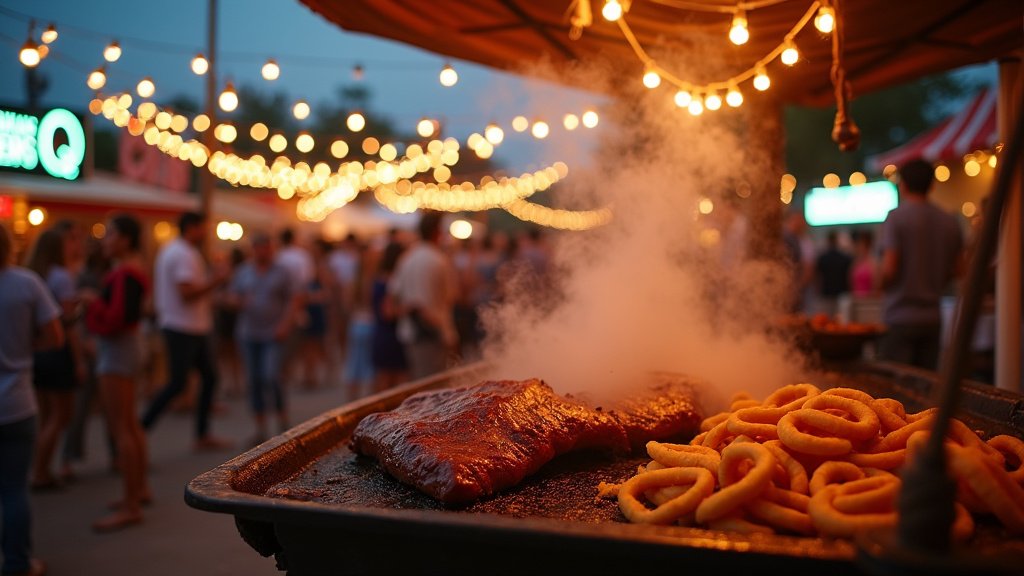
Consider the vibrant food scene. This includes trends in Texas. A specific AI might miss crucial updates. For example, exciting restaurant news goes unreported. New restaurants are opening across Texas. Deep Ellum bar owners are launching a new French restaurant in Dallas. A new barbecue spot, Smokey Beards Q, opened in Fort Worth. The Rustic is expanding its Texas presence. These openings represent trending news. An AI might not connect them. It could also overlook food competitions. The “Taste of the Town” event in The Woodlands celebrated its 40th anniversary. A Texas pitmaster recently won the World Food Championship again. Baking contests also happen in North Texas. This diverse culinary landscape generates constant news. An AI struggling with trends could miss it all. This includes major industry shifts. Texas is projected to lead culinary job growth. Such significant developments could go unnoticed by a flawed AI search.
The Impact of Missed Trends
Failure to identify trending topics has consequences. Businesses rely on trends for marketing. They want to reach target audiences. Missing a trending topic means missed engagement. This impacts visibility and revenue. For consumers, it means less informed choices. They might miss out on popular new restaurants. They could overlook significant food competitions. AI’s inability to track trends affects information flow. It limits our understanding of current events. It creates a gap in real-time awareness. The speed of trends is also a factor. Many trends have a short shelf-life. AI may not process this information fast enough. This leads to missed opportunities. It is a form of systemic failure.
Conclusion
AI’s difficulty in finding trending news is notable. It highlights limitations in data processing. It shows challenges in contextual understanding. While AI offers promise, it still falters. Especially when faced with dynamic information. The search for relevant, trending news continues. This includes exciting developments in places like Texas. Observing food trends, restaurant openings, and competitions requires more than algorithms. It needs true understanding. This ongoing challenge defines the future of AI in information discovery.