

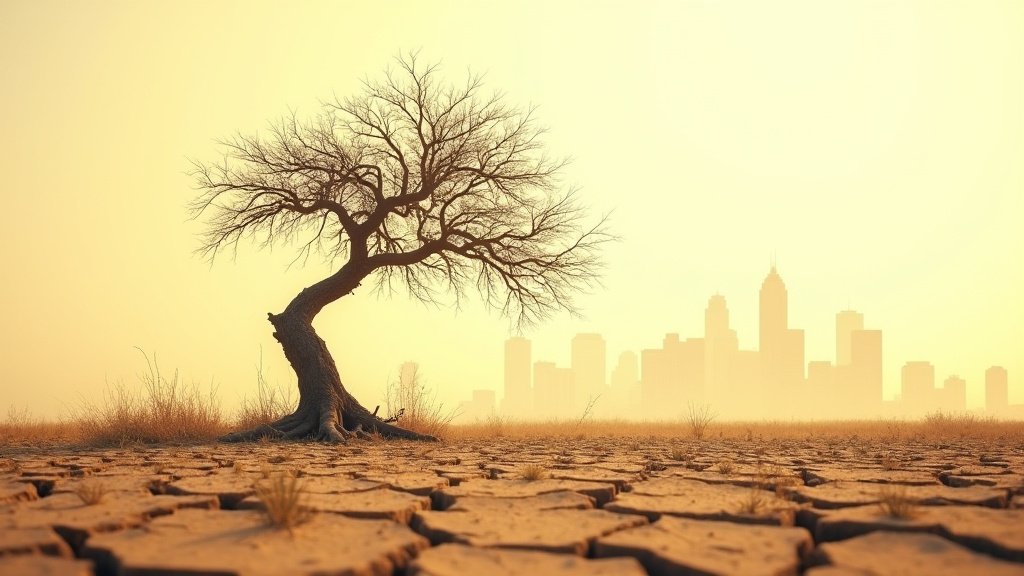
Unseasonable Heatwave Descends on Dallas-Fort Worth
Dallas-Fort Worth is currently experiencing an unprecedented heatwave, with temperatures consistently climbing into the 90s, a stark departure from typical March weather. This spell of unseasonably warm conditions has not been seen in over a century for this early in the year, leading to record-breaking temperature alerts. Forecasters have dubbed this phenomenon “Summer in March,” as the region braces for heat more characteristic of early summer. The National Weather Service has issued First Alert Weather Days, underscoring the severity of the situation.
Key Highlights:
- Record Temperatures: Highs are consistently reaching the lower 90s, with some areas expecting to approach 100 degrees by Sunday. Several daily temperature records, some dating back over a century, are being tied or broken.
- Rare March Heatwave: This is the first heatwave of this intensity and duration in March in over 100 years, defined as three consecutive days at or above 90 degrees.
- Elevated Fire Danger: The combination of dry conditions, gusty winds, and high temperatures has created critical fire weather conditions, particularly west of the I-35 corridor.
- Health and Safety: Residents are urged to take precautions, including staying hydrated, limiting outdoor exposure during peak heat, and wearing light-colored, breathable clothing.
- Pollen Alert: Alongside the heat, North Texas is experiencing extreme pollen levels, particularly from oak, elm, and ash trees, making it a difficult time for allergy sufferers.
- Temporary Cool Down: A cold front is expected to move through late Sunday, offering only a slight reprieve with temperatures dipping into the 80s on Monday before rising again mid-week.
Factors Driving the Heatwave
A dominant ridge of high pressure over the Western United States is the primary driver behind this unusual warmth. This atmospheric pattern, typically seen in summer, is pushing unseasonably hot air into North Texas. The persistence of this high-pressure system, coupled with dry conditions and southerly winds, is exacerbating the heat and contributing to the elevated fire risk.
Impact on Daily Life and Safety
The extreme temperatures pose significant health risks, especially for vulnerable populations. Experts emphasize the importance of gradual acclimatization to the heat, adequate hydration, and minimizing strenuous outdoor activities during the hottest parts of the day. The heightened fire danger necessitates caution, with residents advised to avoid any activities that could spark a fire, such as outdoor burning or discarding cigarette butts improperly.
Looking Ahead: A Brief Respite, Then More Heat
While a cold front is anticipated to bring a temporary dip in temperatures by late Sunday, the relief will be short-lived. Highs are expected to rebound into the 90s by mid-week, with the potential for more record-breaking temperatures early next week. The extended forecast suggests a continuation of above-average temperatures, characteristic of early summer, for the remainder of March. The region desperately needs rainfall, as dry conditions have persisted, further increasing the fire threat.
FAQ: People Also Ask
Q1: How unusual is this heatwave for March in North Texas?
A1: This heatwave is highly unusual, marking the first time in over 100 years that North Texas has experienced a heatwave of this intensity so early in the spring season.
Q2: What is causing the elevated fire danger in North Texas?
A2: The elevated fire danger is due to a combination of dry conditions, strong southerly winds, and above-average temperatures, creating critical fire weather conditions.
Q3: When can North Texans expect relief from the heat?
A3: A cold front is expected late Sunday, which will bring a slight cooldown into the 80s on Monday. However, temperatures are forecast to rise back into the 90s by mid-week, with the warm pattern likely continuing.