

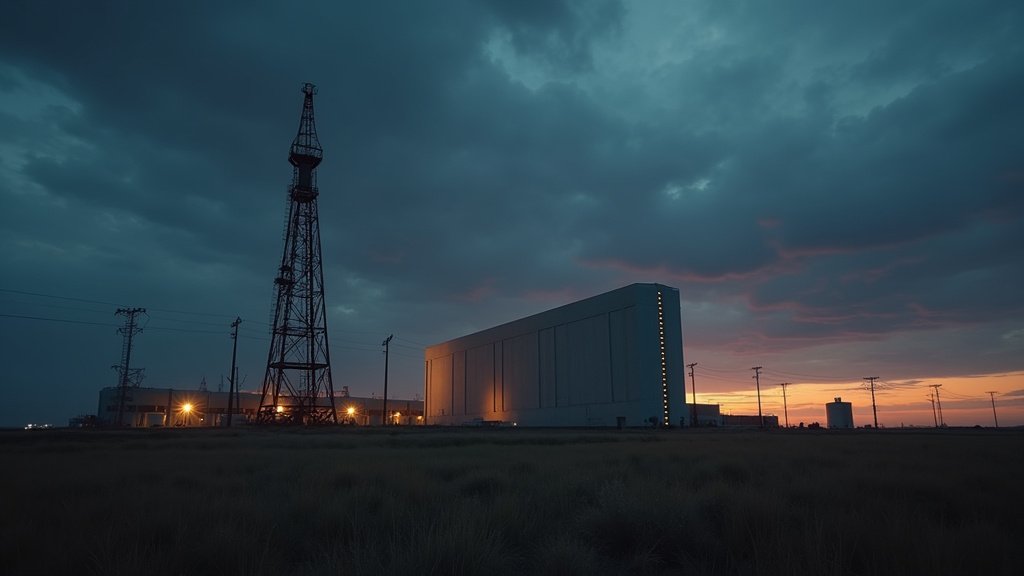
Texas is experiencing a seismic shift in its energy landscape. A significant buzz is growing around nuclear technology. This movement is fueled by soaring energy demands. It is also driven by Texas’s ambition to lead in advanced energy solutions.
Texas Hosts Nuclear Renaissance Forum
The annual Texas Nuclear Summit convenes in Austin. This event is a critical gathering. It brings together energy leaders, policymakers, and innovators. The focus is clear: advancing nuclear power in the Lone Star State. Governor Greg Abbott champions this “nuclear renaissance.” He sees nuclear energy as key to state prosperity. The Texas Nuclear Alliance hosts this important event. It aims to make Texas the “Nuclear Capital of the World.”
Unprecedented Energy Demand Fuels Nuclear Interest
Texas faces a dramatic surge in electricity demand. This is largely due to the explosive growth of AI and data centers. These facilities require massive amounts of reliable power. Projections show peak demand nearly doubling by 2030. The Electric Reliability Council of Texas (ERCOT) manages the state grid. ERCOT anticipates a substantial increase in load. Data centers alone could account for half of this growth. Crypto mining and industrial expansion also add strain. Existing grid infrastructure is being tested. Wind and solar power are valuable. However, they are intermittent sources. They cannot always meet constant, high-demand needs. This situation creates an urgent need for stable power. Advanced nuclear technology offers a potential solution.
New Reactors, New Players
Companies are developing next-generation nuclear reactors. These include Small Modular Reactors (SMRs) and microreactors. NuScale Power is a leader in SMR technology. Its designs are already NRC-approved. Oklo Inc. is developing advanced fission “powerhouses.” It has letters of intent for significant microreactor capacity. Many of these projects target data center clients. Last Energy plans 30 microreactors for Texas data centers. Nano Nuclear Energy Inc. is also exploring Texas projects. It is conducting feasibility studies for microreactors. These new designs promise greater cost-effectiveness. They also offer faster deployment times. This technology aims to be scalable. It can serve specific industrial needs.
Traditional Energy Giants Embrace Nuclear
The push for nuclear energy is not limited to new tech firms. Veteran oilmen are also showing keen interest. Doug Robison, a third-generation oilman, is a notable figure. He founded Natura Resources. This company supports research reactor development. Robison previously served on the Texas Energy Planning Council. He recognizes nuclear’s importance. This cross-industry involvement highlights a strategic shift. It shows a convergence of interests. Oil and gas expertise is being applied to nuclear projects. Companies are exploring nuclear for industrial heat and power. This includes applications in the Permian Basin. This blend of old and new energy sectors is unique.
State Support and Investment
Texas leaders are actively promoting nuclear development. Governor Abbott has championed a “nuclear power renaissance.” The state Legislature has invested nearly $500 million. This funding supports the nuclear industry. A Texas Advanced Nuclear Reactor Working Group was established. Its goal is to chart a path for leadership. New funds are proposed. These include a Texas Nuclear Energy Fund. It would offer low-interest loans for projects. This mirrors existing support for natural gas plants. Such state backing is seen as vital. It helps de-risk new, expensive technologies. It aims to attract private capital. News from the current legislative session shows this commitment.
Overcoming Significant Hurdles
Despite the growing buzz, challenges remain. Building new nuclear facilities is expensive. High construction costs and financing are major barriers. Investor wariness persists. Many of these advanced technologies are unproven at scale. The ERCOT market structure can also be difficult. It primarily compensates for energy, not capacity. This creates revenue uncertainty for high-capital projects. Regulatory processes present another hurdle. Public perception also plays a role. Historical safety concerns linger for some. Furthermore, waste management remains an issue. Water usage for cooling is a consideration. Developing a robust domestic supply chain is also critical.
A Future Powered by the Atom?
The news from Texas points to a bold energy future. The state’s commitment to advanced nuclear technology is clear. The massive energy demands of AI and data centers are driving this. Companies are innovating rapidly. State and industry leaders are working together. They aim to overcome significant obstacles. The successful integration of nuclear power could redefine Texas’s energy sector. It could also secure its position as an energy leader for decades to come.