

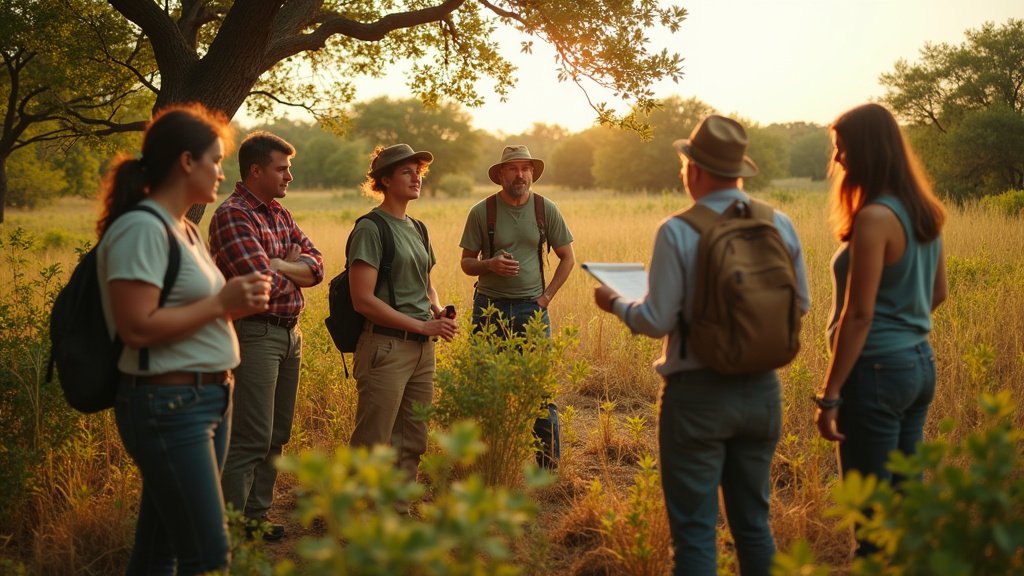
Exciting current news is buzzing in Texas, particularly concerning the Texas Master Naturalist program as it launches new training cycles. This vital initiative develops dedicated conservation volunteers who actively contribute to natural resource management across the state. The program is a collaborative effort, spearheaded by the Texas Parks and Wildlife Department and in partnership with the Texas AgriLife Extension Service. Established in 1997 with just four chapters, the Texas Master Naturalist program has grown exponentially, now boasting 49 chapters that serve 213 counties, and having trained over 17,400 volunteers by 2023.
Understanding the Texas Master Naturalist Program’s Mission and Impact
The core mission of the Texas Master Naturalist program is clear: to cultivate informed volunteers. These dedicated conservation volunteers provide crucial education and outreach, significantly benefiting natural resource management and serving their local communities. This program is particularly vital as many communities rely on these volunteers to help manage parks and nature centers, lead conservation efforts, and assist private landowners in gaining a deeper understanding of local Texas ecology. The impact of the Texas Master Naturalist program is profound, fostering a strong conservation ethic that can even become generational.
Pathways to Becoming a Certified Texas Master Naturalist
Becoming a certified Texas Master Naturalist requires a significant commitment. Trainees must successfully complete an approved volunteer training program, which entails at least 40 hours of instruction. This comprehensive training includes both classroom sessions and invaluable hands-on field studies, focusing on local ecosystems, native plants and animals, regional hydrology and geology, and essential interpretive techniques.
Beyond the initial instruction, practical experience is a cornerstone of the program. Volunteers are required to complete 40 hours of approved service within their first year of training. Additionally, 8 hours of advanced training are necessary to deepen their knowledge and hone specific skills. Upon successfully meeting all these requirements, individuals earn their certification as a Texas Master Naturalist.
The Significant Volunteer Impact of Texas Master Naturalists
The impact generated by Texas Master Naturalist volunteers is nothing short of substantial. Collectively, these conservation volunteers have contributed millions of hours to conservation work. As of 2023, they logged an impressive 7.5 million service hours, valued at over $170 million. More recent data indicates an even greater contribution, with volunteers providing 6.8 million hours in 2024 alone, a figure valued at over $215 million. These dedicated efforts directly enhance natural habitats, having positively impacted over 260,000 acres of land across Texas. Furthermore, the program’s environmental outreach efforts have reached over 7.1 million Texans through various initiatives, including youth programs, nature center operations, and local conservation projects, underscoring the essential role of the Texas Master Naturalist network in preserving the state’s wild places and supporting natural resource management.
Sabine-Neches Chapter: A Thriving Hub for Texas Master Naturalists
The Sabine-Neches Chapter stands out as a particularly active hub within the Texas Master Naturalist network, experiencing significant growth. This increase in membership, exceeding 20% recently, is a direct result of effective public outreach efforts. The chapter is actively preparing for its 2026 training cycle and has scheduled an introductory meeting for January 22 in Beaumont. This event offers interested individuals an excellent opportunity to learn more about the Texas Master Naturalist program and initiate the application process for volunteer training. The training fee of $150 covers essential learning materials, including a handbook and manual, as well as a chapter t-shirt. The chapter also benefits from the strong support of local partners, such as Shangri La Botanical Gardens and the Big Thicket National Preserve.
Maintaining Certification and Ongoing Engagement for Texas Master Naturalists
Maintaining certification as a Texas Master Naturalist requires ongoing commitment beyond the initial training year. Volunteers must dedicate 40 hours of service annually and complete 8 hours of advanced training each year. Annual chapter dues are also required. Many volunteers find the program so rewarding that they consistently go beyond these minimum requirements, actively engaging in diverse opportunities. These can include participating in restoration projects, leading guided nature walks, collecting scientific data, or developing educational materials. The Texas Master Naturalist program empowers individuals, equipping them with the tools to share their passion for Texas ecology and connecting them with a community of like-minded individuals dedicated to conservation outreach and volunteer conservation.