Trump Administration Considers Major SpaceX Land Deal
The Trump administration is currently evaluating a significant SpaceX Land Deal, potentially involving the transfer of federal land to Elon Musk’s SpaceX. This pivotal SpaceX Land Deal underscores the intricate challenges of balancing burgeoning private enterprise with the stewardship of public lands, particularly in the sensitive South Texas region. The implications of this specific SpaceX Texas land transaction are far-reaching.
The Core of the Proposed SpaceX Land Deal
SpaceX seeks to augment its rocket launch and production facilities located near Starbase, Texas. The proposed federal land transfer could grant SpaceX approximately 775 acres from the Lower Rio Grande Valley National Wildlife Refuge. In exchange, SpaceX has offered 692 acres of its privately held property within Cameron County. A portion of SpaceX’s offered land could potentially be incorporated into the Laguna Atascosa National Wildlife Refuge, enhancing conservation efforts. This intricate land swap, a central element of the ongoing SpaceX Land Deal, was initially brought to light by reporting from The New York Times. This South Texas land exchange is a crucial development.
Elon Musk’s Vision and the SpaceX Land Deal
Driven by an overarching ambition for Mars colonization, SpaceX requires extensive infrastructure to support its Starship program, including the ambitious goal of producing 1,000 Starships annually. This SpaceX Land Deal is therefore instrumental in facilitating the necessary expansion of its South Texas footprint. The federal land acquisition would provide the vital space required for this monumental undertaking. Proponents of the deal within the administration have articulated motivations centered on bolstering American innovation and enhancing economic competitiveness through this SpaceX land exchange.
Conservation Concerns Escalate Over SpaceX Land Deal
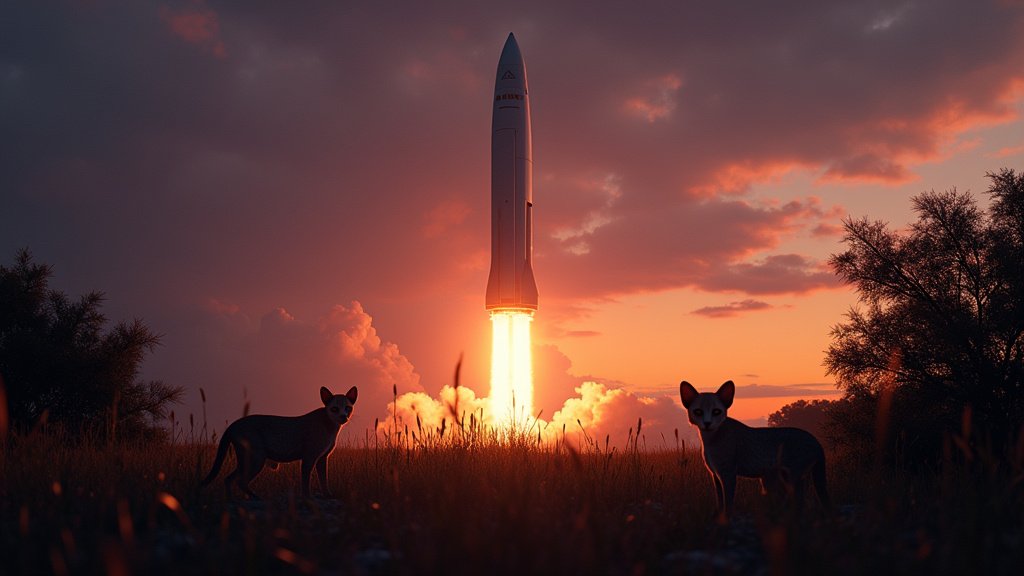
Nevertheless, this proposed SpaceX Land Deal has ignited substantial opposition from environmental advocates and conservationists. Alarming concerns have been raised regarding the potential for irreversible ecological damage. The refuge land in question serves as indispensable habitat for a variety of endangered species, including the elusive ocelot and jaguarundi, and plays a critical role in supporting migratory bird populations. Scientists express significant apprehension about habitat fragmentation and the potential threats to biodiversity stemming from this SpaceX Land Deal. Furthermore, these federal land parcels hold considerable historical importance, being in proximity to the Palmito Ranch Battlefield, the site of the final land engagement of the Civil War. Some internal agency reports have also noted concerns regarding the potential impact on Civil War artifacts. Critics argue that this SpaceX land exchange establishes a perilous precedent, potentially paving the way for future transfers of public land. Previous incidents involving SpaceX launch debris damaging sensitive habitats and disrupting migratory bird nests have intensified existing fears surrounding this significant SpaceX land deal.
A History of SpaceX Land Exchange Attempts
This is not the first instance of SpaceX pursuing land acquisition in Texas. In the preceding year, SpaceX engaged in discussions for a comparable land swap with the Texas Parks and Wildlife Department (TPWD), which involved approximately 43 acres of Boca Chica State Park. Under that proposed agreement, SpaceX would have ceded 477 acres situated near the Laguna Atascosa National Wildlife Refuge. However, SpaceX ultimately withdrew from that arrangement without providing a definitive explanation. That TPWD deal encountered considerable resistance from environmental organizations and Indigenous tribes, who initiated legal challenges and voiced profound concerns. The current federal proposal for a SpaceX Land Deal has effectively revived these contentious debates and highlighted the ongoing complexities of this SpaceX Texas land situation.
Federal Government’s Perspective on the SpaceX Land Deal
The U.S. Fish and Wildlife Service (FWS) has formally acknowledged ongoing discussions concerning a potential land exchange. They are actively exploring this potential SpaceX Land Deal, with the stated objective of enhancing habitat protections and acquiring high-quality ecological areas beneficial to numerous species. Stewart Jacks, an FWS official, characterized the proposal as potentially yielding a “net conservation benefit,” suggesting it could ultimately “facilitate greater habitat protections.” Despite these assurances, a segment of conservation groups remains unconvinced, citing SpaceX’s demonstrated “explosive force” in close proximity to fragile ecosystems as a significant risk inherent in this SpaceX land exchange.
Navigating the Path Forward for the SpaceX Land Deal
As part of the comprehensive SpaceX Land Deal process, the FWS is actively engaged in consultations with all relevant stakeholders, including tribal nations and state agencies. The agency also plans to solicit public input on the matter. This intricate process remains in its nascent stages, and the ultimate outcome is currently indeterminate. The ongoing developments highlight the persistent tensions surrounding SpaceX’s rapid expansion in South Texas, which continues to attract considerable scrutiny. The future of these critical refuge acres, and the broader implications for the Lower Rio Grande Valley’s unique environment and the future of public land utilization, hang precariously in the balance. The intense public interest surrounding this potential SpaceX Land Deal is substantial, involving critical federal lands and significant private development aspirations, rendering it a situation of considerable consequence for the South Texas refuge land.