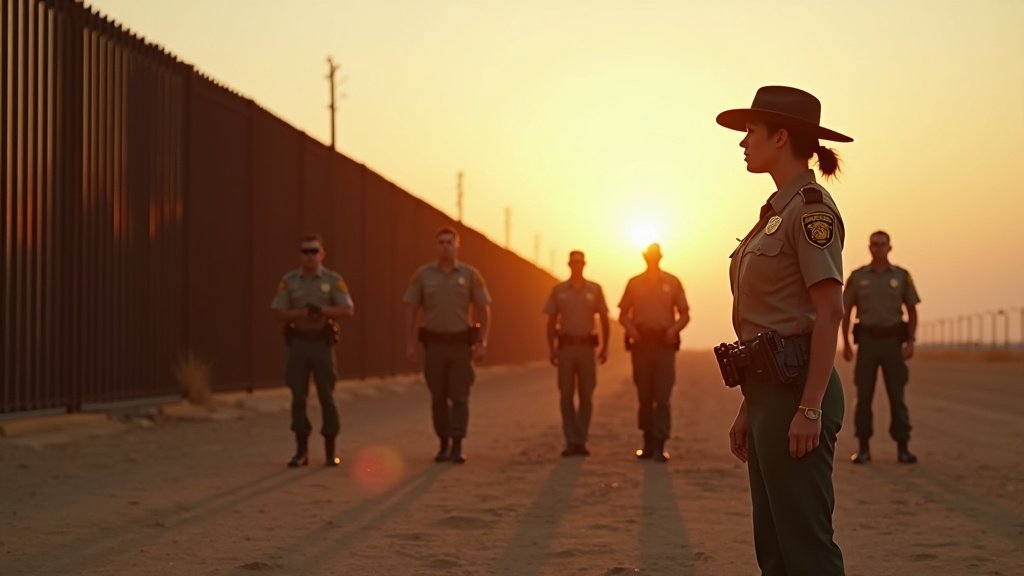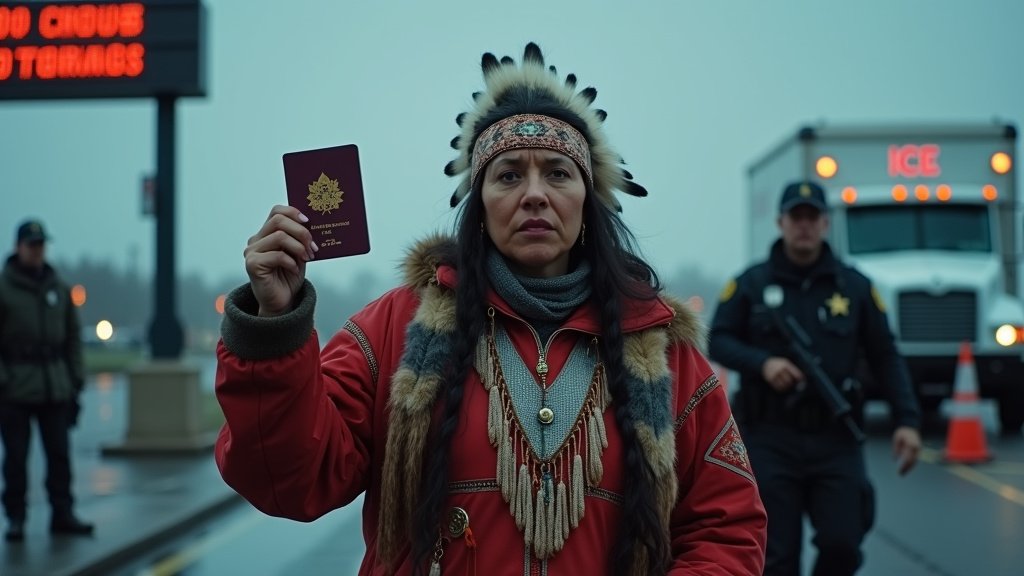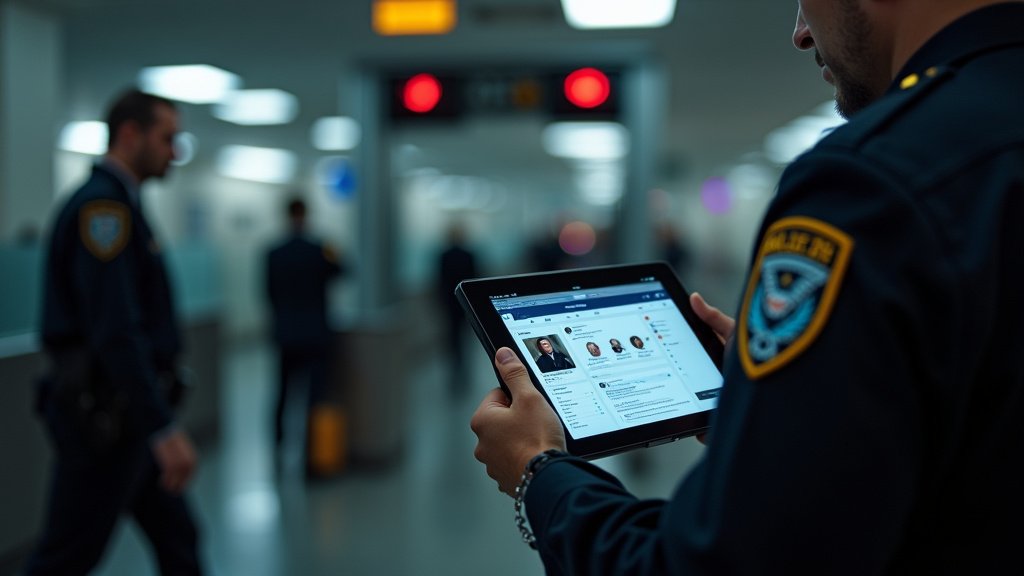
The US Border Agency is planning new entry rules. U.S. Customs and Border Protection (CBP) leads this effort. These changes target tourists and VWP travelers. Stricter rules mean more personal data collection. This news is trending across travel and security sectors.
The Proposal: More Data, More Scrutiny
Travelers face significantly increased data demands. Applicants must now disclose their social media presence. This covers the past five years of activity. Additionally, CBP seeks more extensive personal details. This includes phone numbers and email addresses. Detailed family information may also be requested. These changes apply to ESTA applications. ESTA is for Visa Waiver Program (VWP) countries. It allows stays up to 90 days.
Why Now? Security and Executive Orders
The primary goal is enhancing national security. CBP aims to improve data collection. These proposals align with Executive Order 14161. This order focuses on protecting the US from threats. CBP already screens ESTA applicants thoroughly. This new step expands that vetting process. Authorization via ESTA does not guarantee entry. CBP officers make the final admissibility decision.
Who is Affected by These Changes?
These rules impact visitors from over 40 VWP countries. Many of these nations have close ties to the US. Germany and South Korea are among them. Travelers from these countries use ESTA for short visits. The changes affect tourists and business travelers alike. This is a significant shift from previous ESTA requirements.
Industry Voices Raise Concerns
Concerns are mounting from travel industry groups. The Global Business Travel Association (GBTA) voiced strong opposition. They warn of negative impacts on business travel. GBTA cites increased administrative burdens. Potential conflicts with data protection laws are also a worry. GBTA fears these rules could harm US competitiveness.
Potential Economic Fallout
Stricter rules could deter international visitors. One study suggests a potential loss of $15.7 billion. This is based on fewer visitor arrivals. Up to 4.7 million fewer travelers might visit. Such changes could create significant economic headwinds. Business travel is vital for global trade and innovation.
The Process and Timeline
CBP published these proposed changes in December. The public comment period ended around February 9, 2026. CBP will now review all submissions. They may make adjustments before implementation. However, an exact timeline remains unclear. The changes are part of a broader security enhancement strategy.
What This Means for Travelers
Travelers may face longer application processes. They must provide more detailed personal information. This includes social media history. Such demands raise privacy concerns. Some travelers might find these requirements intrusive. This could lead them to reconsider travel to the US. It is crucial for travelers to stay informed. They should ensure all provided information is accurate. Meticulous ESTA application completion is now more important.
Future of Border Security
The US continues to evolve its border security measures. These new proposals reflect a trend. It involves increased digital screening and data collection. The goal is balancing security with traveler facilitation. However, the proposed expansion has sparked debate. It highlights the ongoing tension between national security interests and international travel needs. This trending news will shape future border policies.