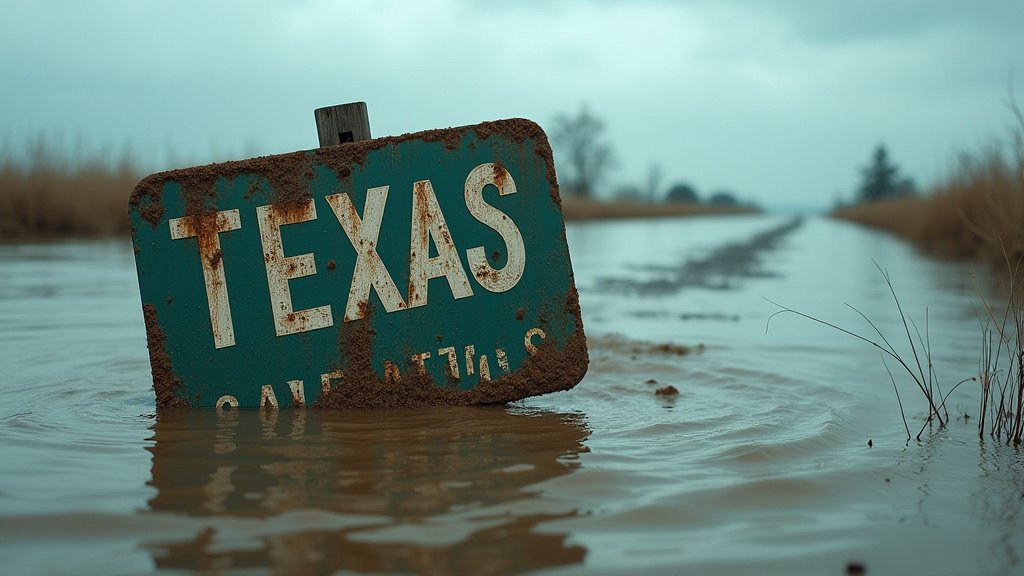


A new federal spending bill, passed and signed into law, contains a provision that threatens to dismantle a significant portion of the Texas Hemp Industry. This legislation, taking effect a year after enactment, imposes a strict limit of 0.4 milligrams of THC per container on hemp-derived products, a move that could devastate the state’s estimated $8 billion hemp economy and disrupt the developing hemp business closures across the state. Thousands of hemp industry jobs and businesses that have flourished since the 2018 Farm Bill legalized hemp cultivation now face an uncertain future due to this federal action impacting the Texas Hemp Industry.
The federal provision, quietly added to a government funding package intended to end a lengthy shutdown, redefines the legal threshold for hemp products, creating significant challenges for the Texas Hemp Industry. Under the new rules, any hemp-derived cannabinoid product must contain no more than 0.4 milligrams of total THC per container, a dramatic reduction from the previous standard of less than 0.3% delta-9 THC by dry weight. This stringent limit effectively criminalizes almost all currently available intoxicating hemp products, including popular items like gummies, vapes, edibles, and beverages. Proponents of the ban argue it closes a loophole in the 2018 Farm Bill that allowed for the widespread sale of these products, citing concerns over public health, addiction, and marketing practices targeting minors. The Texas Hemp Industry now faces an uncertain future due to this federal THC ban.
Economic Tremors for the Texas Hemp Industry
The implications for Texas are particularly severe, threatening the state’s robust hemp economy Texas. The state’s hemp industry is a substantial economic engine, generating an estimated $8 billion in annual revenue and supporting upwards of 50,000 jobs. Reports indicate that the retail sector alone accounts for $4.3 billion in revenue, with the industry contributing an overall economic impact of over $10 billion and generating approximately $268 million in annual sales tax revenue. The new federal regulations, set to take full effect after a 365-day grace period, are projected to lead to widespread business closures and significant job losses, potentially wiping out billions in economic activity and tax revenue. Industry advocates warn that the ban could push consumers toward unregulated black markets and disrupt established state regulatory systems within the Texas Hemp Industry.
A Divided Political Front in Texas Hemp Policy
The federal action has highlighted deep divisions among Texas’s political leaders concerning the Texas Hemp Industry. U.S. Senator John Cornyn supported the provision, voting against amendments to remove it, while U.S. Senator Ted Cruz opposed the ban, advocating for state-level regulation and criticizing the federal government’s “one-size-fits-all standard” that has impacted the Texas Hemp Industry. This mirrors a rift seen at the state level. Lieutenant Governor Dan Patrick has been a vocal champion of banning intoxicating hemp products and celebrated the federal legislation, viewing it as a critical step to protect public health. In contrast, Governor Greg Abbott previously vetoed a state bill that would have imposed a similar cannabinoid product ban, opting instead for an executive order that introduced age restrictions and regulatory measures, citing concerns about the bill’s breadth and potential conflicts with federal law. Public opinion polls also suggest a significant portion of Texas Republicans favor maintaining current marijuana laws or implementing less strict regulations, a sentiment that diverges from the stances of some state leaders on the federal ban affecting the Texas Hemp Industry.
From Loophole to Legislation: The 2018 Farm Bill’s Legacy on the Texas Hemp Economy
The current crisis stems from the 2018 Farm Bill, which legalized hemp as an agricultural commodity by defining it as cannabis with less than 0.3% delta-9 THC by dry weight. This legalization, while intended to boost agriculture, inadvertently created a pathway for the production and sale of intoxicating hemp-derived cannabinoids, such as Delta-8 THC, which became widely available across the nation. Lawmakers supporting the new ban argue this was an unintended 2018 Farm Bill loophole that led to an unregulated “consumable pot market.” However, industry representatives and opponents argue that the ban is an overreach that punishes legitimate businesses and consumers who rely on these products for wellness and recreation, and negatively impacts the burgeoning Texas Hemp Industry. The federal THC ban is a direct result of interpretations and subsequent legislative actions surrounding this bill.
Industry Vows to Fight as Year-Long Window Opens for Texas Hemp Regulations
The hemp industry is reacting with shock and dismay, with organizations like the Texas Hemp Business Council vowing to fight the new federal legislation impacting the Texas Hemp Industry. The year-long window before the ban’s full implementation will be crucial for industry stakeholders, who plan to lobby Congress and the President to reconsider or amend the provision. They argue that the rushed legislation, included in a must-pass spending bill, disregards the economic vitality and livelihoods dependent on the hemp sector, including many hemp industry jobs. As the federal government moves forward, the future of Texas’s substantial hemp industry hangs precariously in the balance, marked by a stark contrast between proponents’ public health concerns and industry advocates’ economic and personal freedom arguments. The 0.4mg THC limit presents a significant challenge for the Texas Hemp Industry.
This news is trending as lawmakers grapple with the complex regulatory landscape of cannabis derivatives, particularly concerning cannabinoid regulations. The outcome of this federal action will undoubtedly shape the future of hemp businesses not only in Texas but across the nation, directly influencing the Texas Hemp Industry.