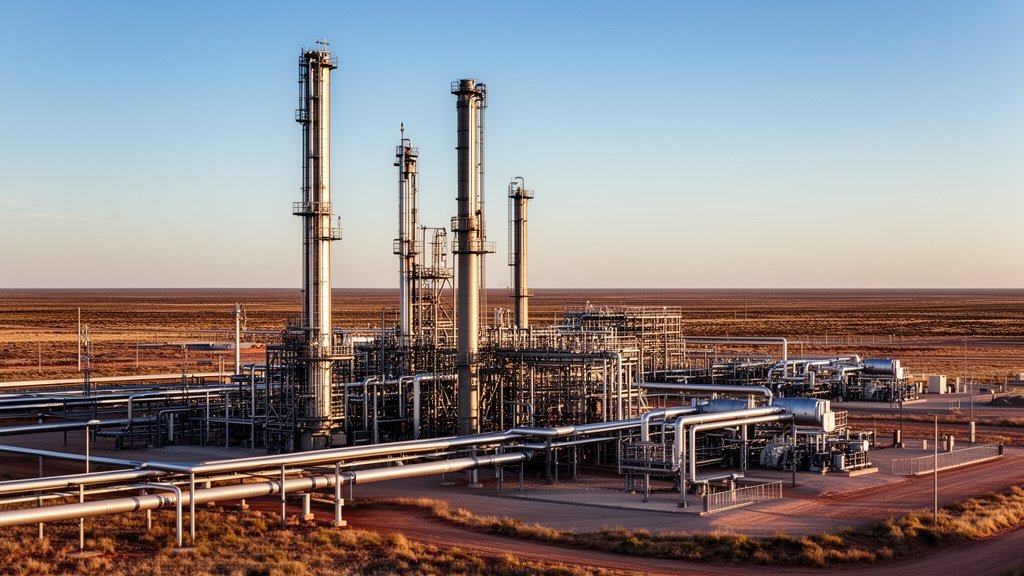
Texas manufacturing activity continued to expand in September 2025, but at a noticeably slower pace, according to the latest Texas Manufacturing Outlook Survey from the Federal Reserve Bank of Dallas. The survey data indicates a cooling in momentum across several key indicators, with business executives reporting a dip in overall conditions, a slight decline in demand, and mixed signals from the labor market. This shift marks a significant change from the more robust growth seen in previous months, prompting closer examination of the factors influencing the state’s industrial sector.
Growth Momentum Slows
The headline production index, a critical barometer of manufacturing output, registered 5.2 in September. This figure represents a substantial decrease from August’s reading and suggests below-average growth in production levels. Other vital metrics tracking the physical output of factories also showed a deceleration. The capacity utilization index declined to 3.9, indicating that factories were operating at a less intense pace. Similarly, the shipments index retreated to 6.7, pointing to a reduction in the volume of goods being distributed.
Demand Weakens, Business Conditions Deteriorate
A particularly concerning trend identified in the survey is the dip in new orders. The new orders index fell to -2.6, the first negative reading since January. This signifies a slight decrease in demand for manufactured goods, a key driver of future production. The broader sentiment regarding overall business conditions also worsened. The general business activity index dropped sharply to -8.7, moving deeper into contractionary territory and indicating a more significant deterioration in the perceived health of the Texas manufacturing business environment compared to the previous month. While outlooks remained relatively stable, uncertainty edged down slightly to 13.9, suggesting a minor decrease in apprehension about the coming months despite the current slowdown.
Labor Market Shows Mixed Signals
The labor market indicators presented a mixed picture. The employment index saw a notable decline, dropping 12 points to -3.4, its lowest level since April. This suggests a slight decrease in overall employment within the manufacturing sector, with 13 percent of firms reporting net hiring and 16 percent reporting net layoffs. Conversely, the hours worked index remained positive at 3.4, indicating a slight increase in work hours for existing employees, possibly to compensate for reduced staffing or to manage current production levels. This divergence between employment numbers and work hours warrants close observation for future trends.
Price Pressures and Wage Expectations
Price and wage pressures showed little change month-over-month, though raw material costs remained elevated at 43.4, a persistent concern for manufacturers. The index for finished goods prices edged down to 11.7, suggesting a slight moderation in the price of final products. The wages and benefits index held steady at 15.9, indicating that compensation costs were largely consistent. Looking ahead, Texas firms surveyed expect wages to increase by 3.4 percent over the next 12 months, with input prices anticipated to rise by 3.8 percent and selling prices by 3.0 percent. While wage and selling price growth expectations picked up, input price growth expectations remained steady.
Future Outlook and Broader Business News
Despite the current slowdown, expectations for manufacturing activity six months ahead remained positive, though optimism waned. The future production index fell to 31.6, and the future general business activity index dropped to 8.4, indicating a less robust but still positive outlook. Many other future activity indexes also declined but stayed in positive territory. Demand was cited as the primary concern for firms looking ahead over the next six months. Meanwhile, broader Texas business news around this time included significant developments such as Eli Lilly and Company’s announcement of a $6.5 billion investment to establish a major pharmaceutical manufacturing facility in Houston, expected to create 615 jobs. This substantial investment in advanced manufacturing highlights ongoing growth in specific high-tech sectors within Texas, contrasting with the broader, more generalized slowdown observed in the manufacturing outlook survey.
Conclusion
The September 2025 Texas Manufacturing Outlook Survey reveals a sector grappling with moderating growth, cooling demand, and persistent, albeit stable, price pressures. While the overall expansion continues, the dip in new orders and the decline in the general business activity index signal a need for manufacturers and policymakers to monitor economic conditions closely. The labor market presents a complex situation with fewer new hires but increased work hours, and future expectations, while positive, have softened. As Texas navigates these economic currents, the sector’s ability to adapt to evolving demand, manage costs, and maintain a skilled workforce will be crucial for sustained prosperity.