

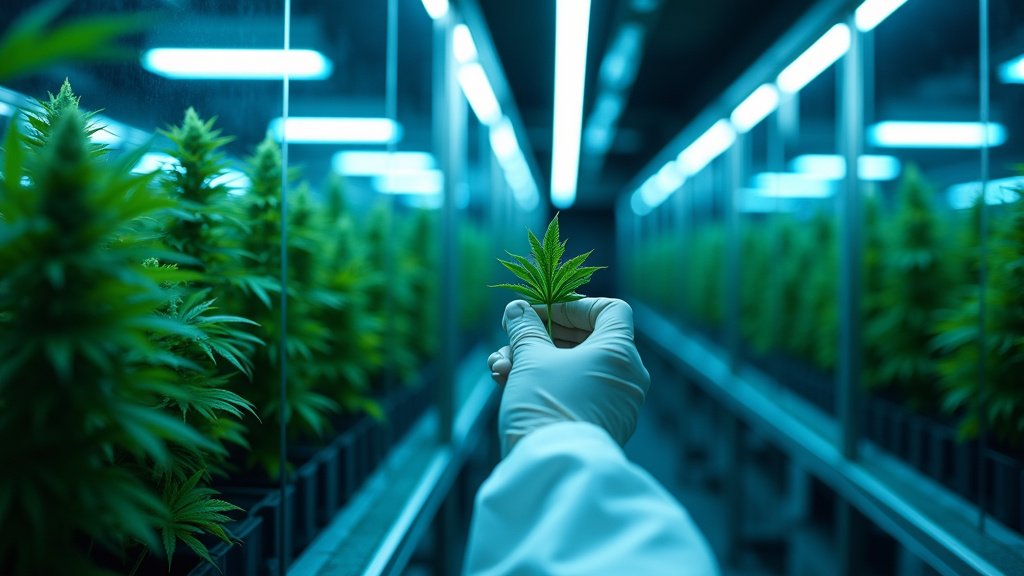
Texas’s burgeoning, yet highly regulated, cannabis sector presents a complex landscape for business hopefuls, where securing a coveted license requires more than just capital – it demands significant foresight. Recent news and regulatory developments underscore the critical need for strategic planning, adaptability, and a deep understanding of the state’s unique market dynamics for any entity aiming to enter this restricted yet potentially lucrative industry.
The Rigorous Path to a Texas Cannabis License
In Texas, the primary pathway into the cannabis industry is through the Texas Compassionate Use Program (TCUP). Unlike many other states that offer separate licenses for cultivation, processing, and retail, Texas consolidates these operations under a single, highly competitive Dispensing Organization License. This vertically integrated model necessitates substantial investment and comprehensive operational planning from inception. The application process, overseen by the Department of Public Safety (DPS), is merit-based and involves rigorous scrutiny. Applicants must present detailed business plans, robust financial projections, and meticulous operational strategies for cultivation, processing, and dispensing. The financial commitment is considerable, with a reported application fee of $7,356 and a biennial license fee of $488,520. With application windows that have recently closed, such as the one in early 2025, the competition for these limited licenses is exceptionally fierce, making thorough preparation paramount.
Navigating a Volatile Regulatory Environment
The Texas cannabis and hemp industries have been subject to significant regulatory shifts and debates throughout 2025. Governor Greg Abbott has played a pivotal role, navigating attempts by lawmakers to either ban or heavily regulate hemp-derived THC products. In June, he vetoed legislation that would have broadly outlawed most hemp-derived THC items, including popular delta-8 and THCA products, citing a desire for regulation over prohibition. This decision preserved a multi-billion dollar industry but highlighted ongoing tensions. Subsequently, in September 2025, Governor Abbott issued Executive Order GA-56, directing state agencies to ban sales of THC products to minors, mandate age verification, and enhance regulatory oversight for hemp products. This included revising testing requirements to accurately measure total THC content and updating labeling regulations. The legislative battles and executive actions demonstrate a market characterized by uncertainty, where businesses must remain acutely aware of evolving laws and be prepared to pivot their strategies accordingly.
Foresight: The Key to Business Success
For Texas cannabis groups, “foresight” translates into anticipating these regulatory tides, understanding the high financial and operational hurdles, and crafting applications that clearly demonstrate long-term viability and compliance. This involves more than just meeting the minimum application requirements; it means developing resilient business models that can withstand regulatory changes and market fluctuations. Key elements of this foresight include:
* Financial Acumen: Meticulously planning budgets, factoring in significant capital reserves for unexpected costs, and avoiding overly optimistic revenue projections are crucial. The high licensing fees and vertical integration mandate require a deep understanding of financial sustainability.
* Operational Excellence: Comprehensive plans for cultivation, processing, secure dispensing, and strict adherence to seed-to-sale tracking are non-negotiable.
* Regulatory Agility: Staying ahead of legislative developments, understanding the nuances of current and potential future laws, and building compliance frameworks that are robust enough to adapt are vital.
* Market Understanding: Despite the limited medical program, demand is growing, and understanding patient needs and market potential within the confines of the law is essential.
The recent controversies surrounding THC product bans and regulations underscore the need for businesses to plan for a future where stricter compliance and oversight are the norm, rather than attempting to operate in a gray area.
Lessons from Emerging Markets
Comparing Texas to states like Minnesota, which has recently begun rolling out its adult-use cannabis market, offers a contrast in regulatory approaches. Minnesota’s market, while also navigating licensing complexities, is characterized by a broader range of license types and a more phased approach to market entry, including microbusinesses and tribal compacts. In contrast, Texas’s single, vertically integrated license creates an even higher barrier to entry, making the strategic planning and foresight required for a successful application significantly more pronounced. Businesses in Texas must demonstrate not only operational readiness but also a deep strategic vision to navigate this uniquely challenging environment.
Conclusion
The Texas cannabis business landscape in 2025 is defined by high stakes, stringent requirements, and a dynamic regulatory climate. The pursuit of a coveted Dispensing Organization License is a significant undertaking that demands meticulous preparation, substantial financial investment, and a forward-thinking strategy. As the state continues to refine its approach to cannabis and hemp products, groups that exhibit genuine foresight – anticipating regulatory shifts, mastering operational complexities, and demonstrating unwavering commitment to compliance – will be best positioned to gain a foothold in this evolving market. The news from the state legislative sessions and executive actions provides a clear mandate: strategic planning is not just advantageous, it is indispensable for survival and success in Texas’s cannabis future.