

Texas stands as a colossal outlier in the American gambling landscape. While states from coast to coast have embraced legalized gaming to bolster their tax bases and stimulate tourism, the Lone Star State remains a steadfast holdout. This resistance is not a result of public apathy, but rather a carefully maintained legislative fortress, characterized by recurring, high-stakes political standoffs between massive corporate lobbying efforts and the state’s conservative leadership. As the push for legalization continues to cycle through the Texas Legislature, the central argument often boils down to a fundamental conflict: does Texas need the revenue, or does it need to preserve its traditional social values?
Key Highlights
- The Legislative Wall: Texas Lt. Governor Dan Patrick remains the primary gatekeeper, historically blocking gambling bills from reaching the Senate floor.
- The Economic Drain: Millions of dollars in potential state revenue are currently flowing out of Texas and into neighboring states like Oklahoma, Louisiana, and New Mexico.
- Corporate Juggernauts: Las Vegas Sands and other industry titans have poured millions into lobbying, yet have faced consistent roadblocks at the state capitol.
- Constitutional Complexity: Legalizing casinos in Texas requires a constitutional amendment, demanding a two-thirds supermajority in both chambers, a notoriously difficult threshold to cross.
The Institutional Standoff: Decoding the ‘Texas Doesn’t Need Casinos’ Narrative
The narrative that “Texas doesn’t need casinos” is not a slogan born of economic analysis, but rather a reflection of the state’s deeply ingrained political culture. For years, opponents have argued that the social costs associated with legalized gambling—including addiction, crime, and potential negative impacts on local property values—outweigh any prospective tax windfalls. However, this stance is increasingly being challenged by proponents who frame casino legalization not as a social vice, but as a crucial pillar of modern economic infrastructure.
The Political Gatekeeper: The Role of the Lieutenant Governor
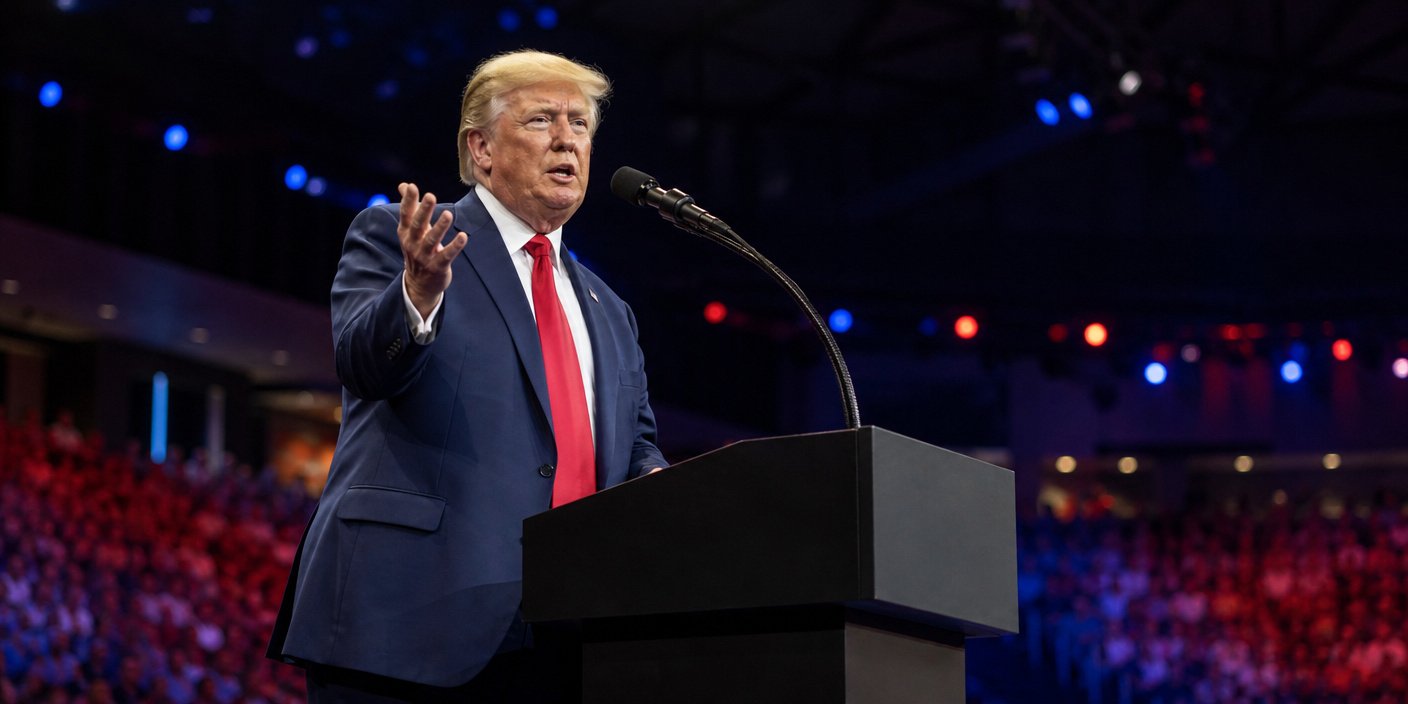
In the Texas Senate, the Lt. Governor holds an immense amount of power, often deciding which bills receive a hearing and which die in committee. Dan Patrick, who has held the position for over a decade, has frequently signaled his lack of appetite for gambling expansion. His refusal to prioritize casino bills effectively creates a ‘dead on arrival’ status for legislation, regardless of how much public support or corporate backing it generates. For proponents, this singular bottleneck is the defining obstacle. Even when the House of Representatives has shown willingness to debate or advance gambling-related bills, the Senate remains, by and large, a fortress of resistance.
The Lobbying Juggernaut: The Las Vegas Sands Strategy
In recent legislative cycles, the push for gambling has been characterized by the sheer scale of the lobbying effort. Companies like Las Vegas Sands have deployed an army of lobbyists to Austin, aiming to sway public opinion and legislative support with arguments centered on ‘destination resorts.’ These advocates propose that Texas should not just allow slot machines or small-scale card rooms, but rather build massive, integrated resort complexes similar to those in Nevada. By promising thousands of jobs and billions in annual tax revenue, these corporations are attempting to shift the conversation from ‘gambling’ to ‘economic development and tourism.’ Yet, the legislative reality remains unmoved, highlighting a growing disconnect between corporate interests and the state’s conservative legislative mandate.
The Economics of the Border War: Why Texas is Losing Revenue
One of the most persistent arguments in favor of legalization is the ‘leakage’ of funds to neighboring states. Texans are already gambling—they are simply doing it across state lines. From the casinos in Oklahoma to the gaming halls in Louisiana and the racetracks in New Mexico, Texans spend hundreds of millions annually that could, theoretically, be captured within the state’s own tax system.
The Revenue Leakage Reality
Economic analysts point to the ‘Border War’ as a failure of policy. The logic is straightforward: residents near the border or those in major metropolitan hubs like Dallas or Houston frequently cross state lines for entertainment. When they do, they spend money on hotels, restaurants, and gaming, effectively exporting tax revenue that could fund Texas schools or infrastructure projects. The debate is now shifting toward whether the ‘moral’ stance against gambling is worth the tangible loss of tax dollars. This argument has begun to gain traction, particularly among legislators concerned with property tax relief, who argue that the state is missing a prime opportunity to diversify its revenue streams without raising income or sales taxes.
Tribal Sovereignty and Gaming Rights
It is essential to note that gambling in Texas is not entirely non-existent. The Kickapoo Traditional Tribe of Texas, along with other federally recognized tribes, operates gaming facilities under the Indian Gaming Regulatory Act. However, these operations are restricted by state and federal laws, which have led to lengthy, contentious legal battles over the scope of their gaming rights. The existence of these facilities creates a complicated legal and ethical dynamic: if the state continues to allow limited tribal gaming while banning commercial casinos, it faces questions of fairness and consistency. This ongoing legal tension serves as a constant reminder that the ‘no casinos’ rule is porous and subject to judicial interpretation.
Social Costs vs. Economic Gains
Opponents of expansion often cite the potential for societal degradation. They argue that bringing casinos to cities like Austin, Houston, or San Antonio would exacerbate gambling addiction and invite criminal activity. This ‘social cost’ argument is the bedrock of the conservative opposition. It is a value-based argument that resists the quantification of revenue. For these legislators, the price of a casino is not just the cost of construction or the loss of tax revenue; it is the price of the societal change that legalized gambling might bring to the Texas way of life.
Public Perception and Future Predictions
Public opinion polls consistently show a growing number of Texans are open to, or actively support, casino legalization. As the population becomes more diverse and urbanized, the ‘traditional’ opposition may find its influence waning. However, in the current legislative framework, shifting public opinion does not automatically translate to policy change. The road to legalization is narrow, winding, and blocked by institutional barriers. Without a paradigm shift in how the state leadership views the industry—moving from a moralized, binary ‘yes/no’ to a regulatory, managed framework—the status quo is likely to remain in place for the foreseeable future.
FAQ: People Also Ask
Q: Why hasn’t Texas legalized casinos despite the revenue potential?
A: The primary obstacle is the state’s legislative structure, particularly the gatekeeping power of the Senate leadership. Additionally, passing such a measure requires a two-thirds constitutional amendment vote, which is extremely difficult to achieve in the current political environment.
Q: Are there any forms of gambling currently legal in Texas?
A: Yes, Texas allows the state lottery, parimutuel wagering on horse and dog races, and bingo. Additionally, some tribal nations operate gaming facilities on their land, though these are strictly regulated.
Q: What is the main argument for legalized casinos in Texas?
A: Proponents argue that Texas is losing significant tax revenue to neighboring states (Oklahoma, Louisiana, New Mexico) and that legalizing casinos would create jobs, boost tourism, and provide a new revenue stream for the state.
Q: Who are the main opponents of casino legalization in Texas?
A: Opposition is primarily led by conservative legislative leadership, social conservative groups who cite moral concerns, and some existing gaming interests in neighboring states that want to maintain their market share of Texas visitors.