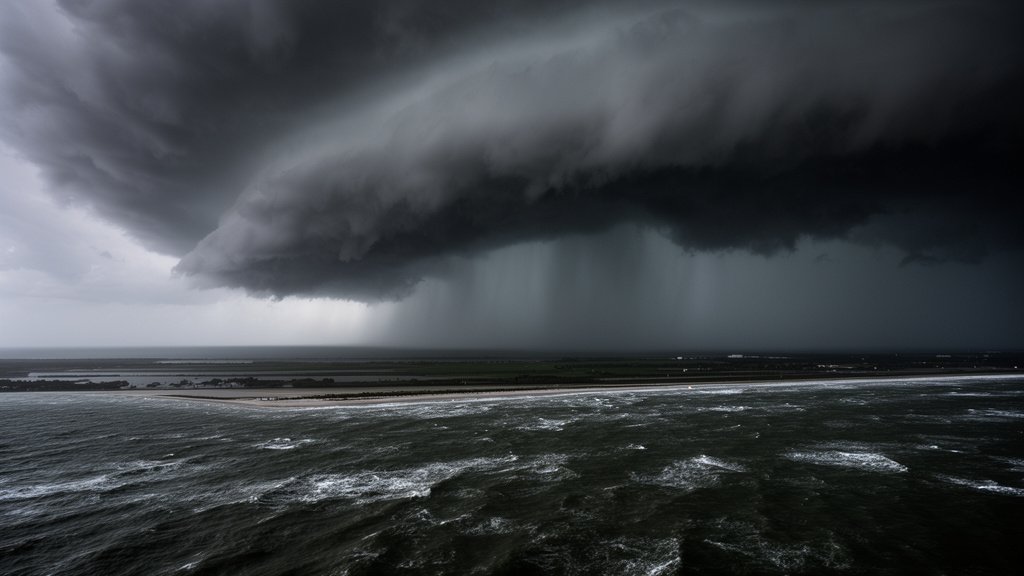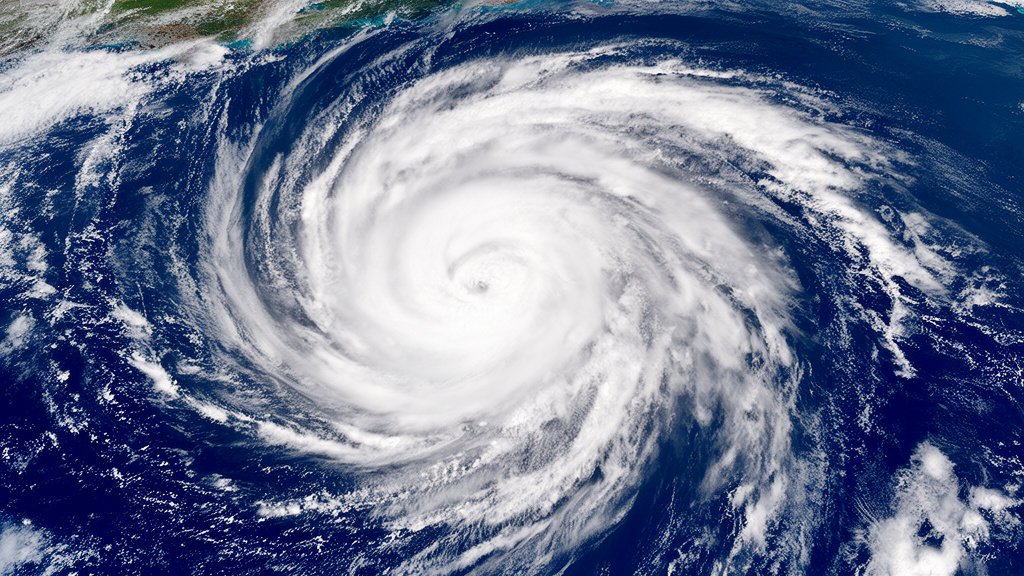

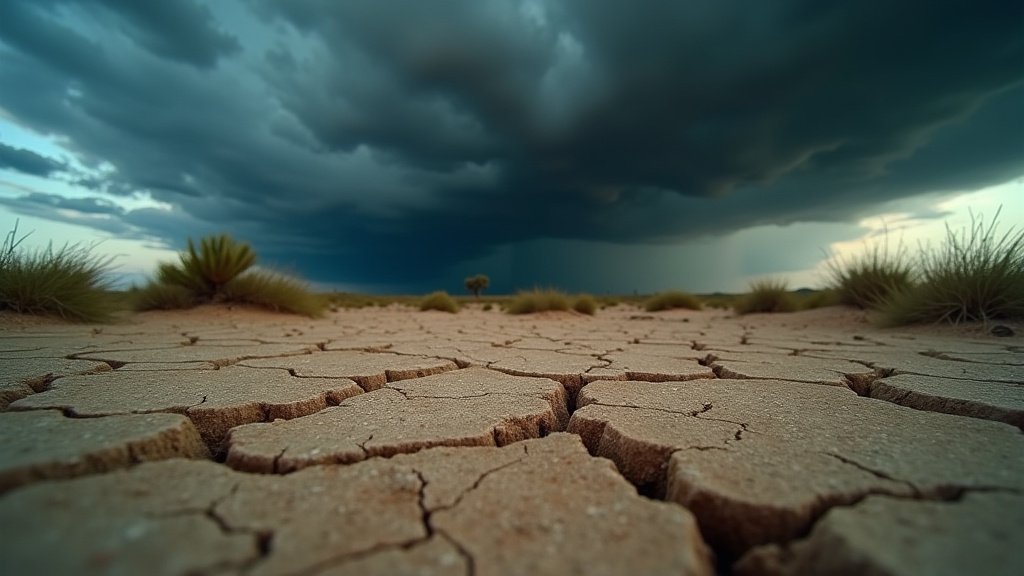
Severe thunderstorms are expected to sweep across West Texas on Saturday, April 11, 2026, as a powerful atmospheric system moves into the region, bringing with it a volatile mix of hazards. The National Weather Service and the Storm Prediction Center have placed the region under a ‘Slight Risk’ of severe weather, urging residents from the Permian Basin to the Panhandle to remain vigilant as the day progresses. Meteorologists warn that the combination of instability and a shifting dryline will create ideal conditions for storm development throughout the afternoon and into the late evening hours.
Key Highlights
- Heightened Alert: A ‘Slight Risk’ (Level 2 of 5) has been issued for the West Texas region, including the Permian Basin and areas south of Amarillo.
- Primary Hazards: Forecasters identify large hail, damaging winds, and the potential for isolated tornadoes as the most significant threats to public safety.
- Timing: Storm development is expected to initiate in the early to mid-afternoon, with the potential for more organized storm clusters and severe activity continuing through the overnight hours.
- Flooding Concerns: In addition to wind and hail, the system is expected to drop significant rainfall, raising concerns about localized flash flooding, particularly in low-lying and poor-drainage areas.
- Preparedness Essential: Officials advise residents to monitor local NWS updates closely and ensure they have multiple ways to receive emergency alerts during the severe weather event.
The Atmospheric Setup: Understanding the West Texas Threat
The current weather event in West Texas is not an isolated incident but rather the result of a complex interplay between various meteorological features typical for this time of year. At the center of this system is the movement of a mid-level trough and the presence of a ‘dryline’—a critical boundary that often separates moist air from the Gulf of Mexico from the dry, arid air of the desert Southwest. When these two air masses collide, the warm, moist air is forced rapidly upward, a process known as convection, which leads to the formation of towering thunderstorms.
The Role of the Dryline
The dryline acts as a focal point for storm initiation. As temperatures rise during the day, the atmosphere becomes increasingly unstable. The ‘capping’ mechanism—a layer of warm air that often prevents storms from forming—is expected to be weak enough today to allow these storms to break through, leading to rapid development. Residents in the path of the storm can expect a quick transition from clear skies to severe weather, emphasizing the importance of staying weather-aware even when conditions appear calm.
Analyzing the Shear and Instability
Meteorologists are closely watching the vertical wind shear, which is the change in wind speed and direction with height. Sufficient shear is required to organize thunderstorms into severe ‘supercells,’ which are capable of producing the large hail and tornadoes currently forecast. The combination of daytime heating and the incoming system provides the necessary ‘ingredients’ for storm longevity, allowing them to maintain their intensity as they move across the flat, expansive terrain of the Permian Basin.
High-Risk Zones: Who is in the Crosshairs?
The risk area is broad, covering a significant portion of West Texas. Cities such as Midland, Lubbock, Fort Stockton, and San Angelo fall within the primary zone of concern. However, severe weather by nature is localized, and the exact path of individual storms can be difficult to predict with pinpoint accuracy. The Storm Prediction Center’s outlook highlights that the threat is not confined to urban centers but extends across rural areas, where infrastructure may be more vulnerable to high winds and hail damage.
Impacts on Infrastructure and Agriculture
For a region that relies heavily on the energy and agricultural sectors, the timing of these storms is significant. The Permian Basin’s vast network of energy infrastructure, including pump jacks and pipelines, is generally resilient, but severe winds and lightning strikes can lead to operational disruptions. Agriculture, a cornerstone of the West Texas economy, is particularly susceptible to hail damage, which can strip crops and cause significant financial loss to producers during the critical spring planting season. Farmers are encouraged to secure livestock and equipment where possible.
The Flash Flood Danger
While hail and wind often dominate the conversation, flash flooding is an underestimated threat. With potential rainfall amounts exceeding one inch in some areas—and even higher in others—the dry, hard-packed soil of West Texas may struggle to absorb the water quickly. This creates a high risk for runoff, which can turn quiet streets and low-lying roadways into dangerous hazards. Drivers are strongly cautioned against attempting to cross flooded roadways, adhering to the mantra, ‘Turn Around, Don’t Drown.’
Long-Term Outlook: A Multi-Day Pattern
The severe weather event on Saturday is part of a larger, multi-day pattern affecting a broad swath of the central United States. Meteorologists indicate that the system will not exit the region immediately but will continue to influence weather patterns through early next week. This suggests that even after the threat subsides in West Texas, the energy from the system will migrate eastward, potentially impacting other parts of Texas and the central Plains.
The Shift Toward Central Texas
As the system moves east, the threat of severe weather is expected to follow. By Sunday, the focus may shift toward Central Texas, where the setup could produce further rounds of storms. This ongoing activity is a reminder that spring in Texas is a period of intense atmospheric transition, where the battle between seasonal air masses creates a sustained period of risk. Residents should maintain a habit of checking the forecast daily, even if their specific area is not under an immediate warning.
FAQ: People Also Ask
Q: What should I do if a Severe Thunderstorm Warning is issued for my area?
A: Seek shelter immediately inside a sturdy building. Move to an interior room away from windows and glass doors. If you are outdoors, try to get inside as quickly as possible. Do not wait to see the storm before taking cover.
Q: Is it safe to drive during a severe thunderstorm?
A: It is generally advised to avoid driving if possible. Severe storms can bring sudden downpours that reduce visibility to near zero and create dangerous hydroplaning conditions. If you are on the road, pull over safely away from trees and power lines, but remain inside your vehicle.
Q: Why is hail so common in West Texas during the spring?
A: The combination of high elevation, intense daytime surface heating, and the presence of cold air aloft makes the atmosphere in West Texas highly conducive to hail production. When updrafts in a storm are strong enough, they can suspend ice pellets high in the cloud, allowing them to grow into large hail stones before falling to the ground.
Q: Where can I get the most accurate, up-to-the-minute weather alerts?
A: The National Weather Service (NWS) official website (weather.gov) and your local NWS office (such as NWS Midland/Odessa or NWS San Angelo) provide the most reliable information. Additionally, NOAA Weather Radio is an excellent tool for receiving alerts directly to your home or office, even if the power or internet goes out.