
Texas State University Halts Monday Classes Amid Severe Winter Storm
Texas State University canceled classes on Monday, January 26, 2026. Severe winter weather gripped the region. This caused a campus-wide shutdown. Classes on all campuses were canceled. Online courses also faced cancellation. University offices closed their doors. The primary goal was ensuring safety. This news impacts many students and staff. It is a key Texas event.
The Decision and Scope of Closure
University leadership made a swift decision. They announced the closure late Sunday, January 25. The closure affected both San Marcos and Round Rock campuses. All scheduled classes were canceled. This included online learning. University events also faced cancellation. The campus essentially paused operations for the day. This proactive measure aimed to prevent travel. It kept people safe from hazardous conditions. The university stated this was a priority.
Winter Weather Impact
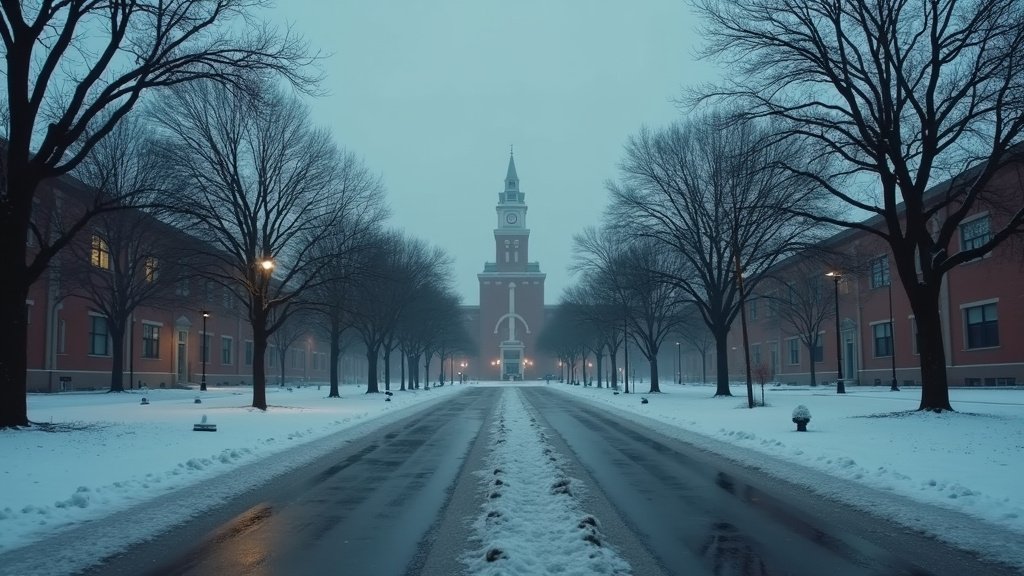
Freezing rain and sleet created icy roads. Roads became extremely dangerous across Central Texas. Bridges and overpasses were particularly treacherous. Temperatures dropped significantly. These conditions made travel near impossible. The National Weather Service issued warnings. A Winter Storm Watch was in effect. An Extreme Cold Watch was also active. These alerts signaled potential hazards. The forecast predicted ongoing cold temperatures. Icy conditions were expected to persist.
Preparing for the Storm
Preparations began days earlier. Texas State University actively monitored forecasts. They ensured readiness for potential winter weather. The university shared this information. Emails went out to staff and students. Cold temperatures and freezing rain were possible. Safety was declared the top priority. University officials anticipated being open initially. However, forecasts changed rapidly. The situation demanded a different response. City officials also prepared infrastructure. They pre-treated bridges and priority roadways. Sidewalks and major infrastructure were addressed. Pipes were also winterized.
University Operations During Closure
University offices remained closed for the day. However, essential services continued. University Police stayed on duty. Housing and Residential Life staff remained on campus. Facilities personnel also worked diligently. They ensured building access. They handled emergency needs. Dining services saw significant modifications. Commons and Harris Dining Halls closed Sunday night. They reopened Monday from 10 a.m. to 8 p.m. Jones Dining Center aimed for a noon opening. Other dining locations stayed closed. University buses stopped running across campus. Transit services were suspended entirely.
Student and Staff Guidance
Students and staff received clear directives. They were advised to stay home. Travel was strongly discouraged. This prevented unnecessary risks. University Police provided emergency support. Essential personnel were expected to report to work. These “weather essential employees” maintained critical functions. The university stressed updated contact information. This ensured TXSTATE Alerts reached everyone. Officials encouraged following social media. They also recommended checking Safety & Emergency Communications. Safety remained paramount.
Broader Regional Context
This closure was not an isolated event. Many other institutions took similar steps. Nearby universities canceled classes too. The University of Texas at Austin closed its campuses. Austin Community College also shut down operations. Numerous school districts in the area canceled Monday classes. This included Eanes ISD and Hays CISD. The San Marcos Consolidated Independent School District also closed. Governor Greg Abbott issued disaster declarations. He added many counties to the state’s list. This highlighted the storm’s widespread severity. The entire region braced for significant disruption. Power outages were also a concern for some areas.
Looking Ahead
The university leadership monitored conditions closely. They planned to provide timely updates. An announcement about Tuesday’s schedule was expected. This update was to occur by 2 p.m. on Monday. The forecast suggested potential reopening for Tuesday. However, safety remained the absolute top priority. Officials looked forward to resuming normal academic operations. They urged everyone to stay safe during the weather event. Their commitment was to the community’s well-being.
Conclusion
Texas State University’s decision reflected prudence. Severe winter weather created significant risks. Canceling classes protected the campus community. The university’s response demonstrated preparedness. Students and staff anticipated a return to normalcy. The Texas winter storm tested resilience. This news serves as a reminder. Preparedness is crucial during severe weather events. This incident highlighted the importance of clear communication.