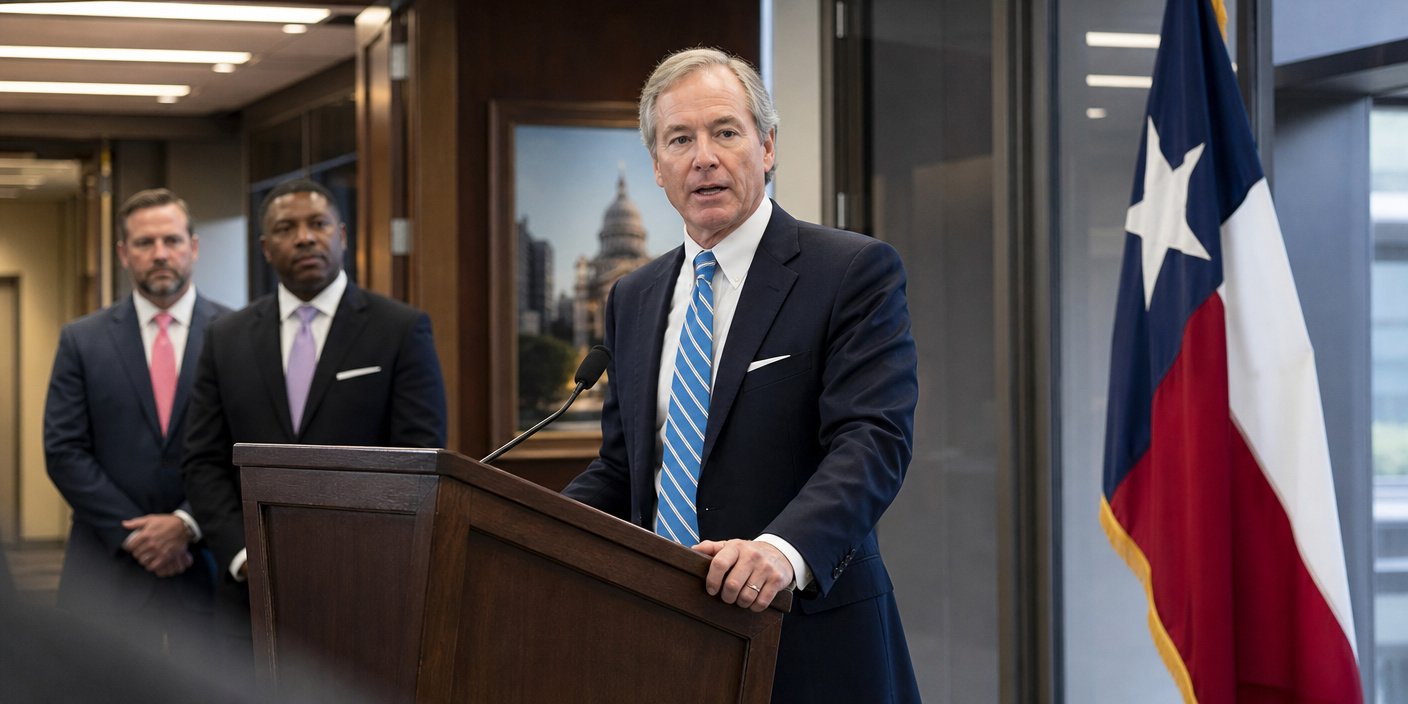


The new year brings significant legal shifts with numerous Texas New Laws taking effect. Texas enacts over 30 new laws on January 1, 2026, impacting many aspects of life, from artificial intelligence and immigration to taxes and housing. Staying informed about these Texas New Laws is crucial as this legislation shapes the state’s future. The latest Texas New Laws 2026 are set to redefine various sectors, making understanding these Texas New Laws essential for all residents.
AI Governance in Texas: New Guardrails for Texas New Laws
House Bill 149 creates the Texas Responsible Artificial Intelligence Governance Act, setting statewide rules for AI. This law bans harmful AI practices and establishes a Texas Artificial Intelligence Council and a regulatory “sandbox” to foster innovation. The act prohibits AI for social scoring, bans AI used for discrimination, and forbids manipulation of behavior. For those interested in AI governance Texas, this bill is a key piece of legislation. The law specifically bans AI tools used for child pornography and targets AI creating explicit deepfakes, aiming for safer AI development under the umbrella of these Texas New Laws.
Texas Immigration Enforcement Shifts Under New Laws
Senate Bill 8 mandates new cooperation, requiring sheriffs in large counties to work with ICE through the 287(g) program. This allows local law enforcement to verify immigration status for individuals booked in jails, a significant aspect of Texas immigration enforcement. SB 8 aims to enhance immigration enforcement, with counties over 100,000 people required to participate, and grant programs assisting smaller counties to strengthen border security efforts as part of the new Texas New Laws.
Texas Tax Changes and Relief under New Texas Laws
Texas businesses gain new tax relief as part of the latest Texas New Laws. House Bill 9 exempts up to $125,000 in inventory from local property taxes, offering significant Texas tax relief. Homestead exemptions also increase significantly for all homeowners, with additional boosts for seniors and disabled individuals, lowering property tax bills. Livestock feed is now tax exempt, and border security infrastructure on private land also receives an exemption. House Bill 30 revises disaster tax rules, imposing tighter regulations on local governments to prevent property tax increases above voter limits without an election. Senate Bill 1502 limits school districts from repeatedly raising tax rates after voters reject them, reinforcing voter control, demonstrating the widespread impact of these Texas New Laws.
Housing Laws and Property Rights in Texas Evolve with New Texas Laws
Senate Bill 38 streamlines eviction processes, particularly for unauthorized occupants, offering landlords faster legal tools to simplify squatter removal. While tenant protections remain intact, the law limits judicial flexibility during emergencies, potentially leading to fewer statewide pauses on evictions and quicker resolutions for property owners navigating these Texas housing laws. This evolution in property rights Texas is a notable change within the new legislative session and another example of the impactful Texas New Laws.
Streamlined Systems and New Rules within Texas New Laws
House Bill 3699 modifies unemployment claims by clarifying definitions of “last employer,” helping to prevent fraudulent claims and strengthen the unemployment system’s integrity. House Bill 2067 enhances insurance transparency, requiring insurers to provide written reasons for declines, including policy cancellations or non-renewals, and report this data by ZIP code to help monitor insurer practices. These changes are part of the comprehensive Texas New Laws.
What These Texas New Laws Mean for Texans
The new year brings significant legal adjustments with these impactful Texas New Laws. These laws affect daily life across Texas, making it vital for residents and businesses to stay aware of current news and understand these changes. They shape how Texans interact with government and technology, with developments in areas like Texas AI regulation and tax policies. This period of adjustment in Texas reflects a state actively navigating rapid change and continuing to evolve its legal landscape through new legislation, highlighting the importance of these Texas New Laws.